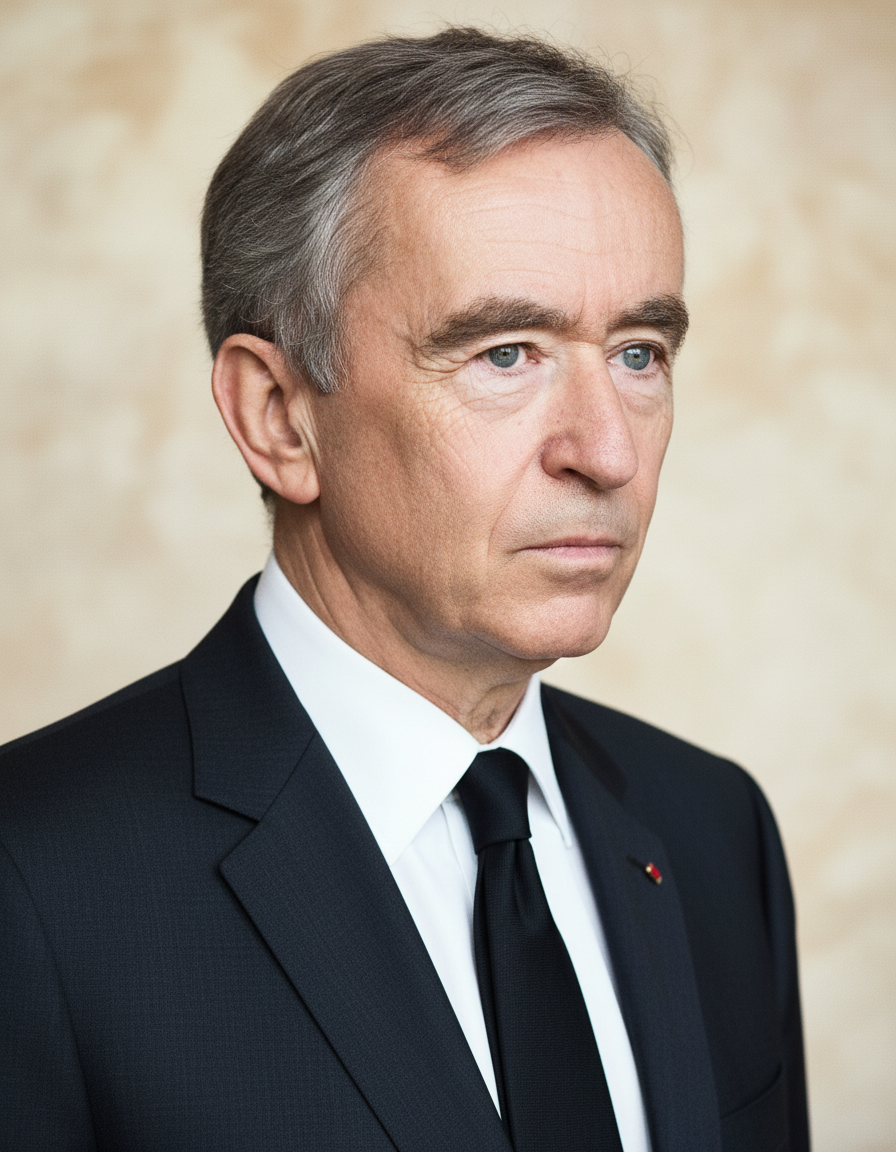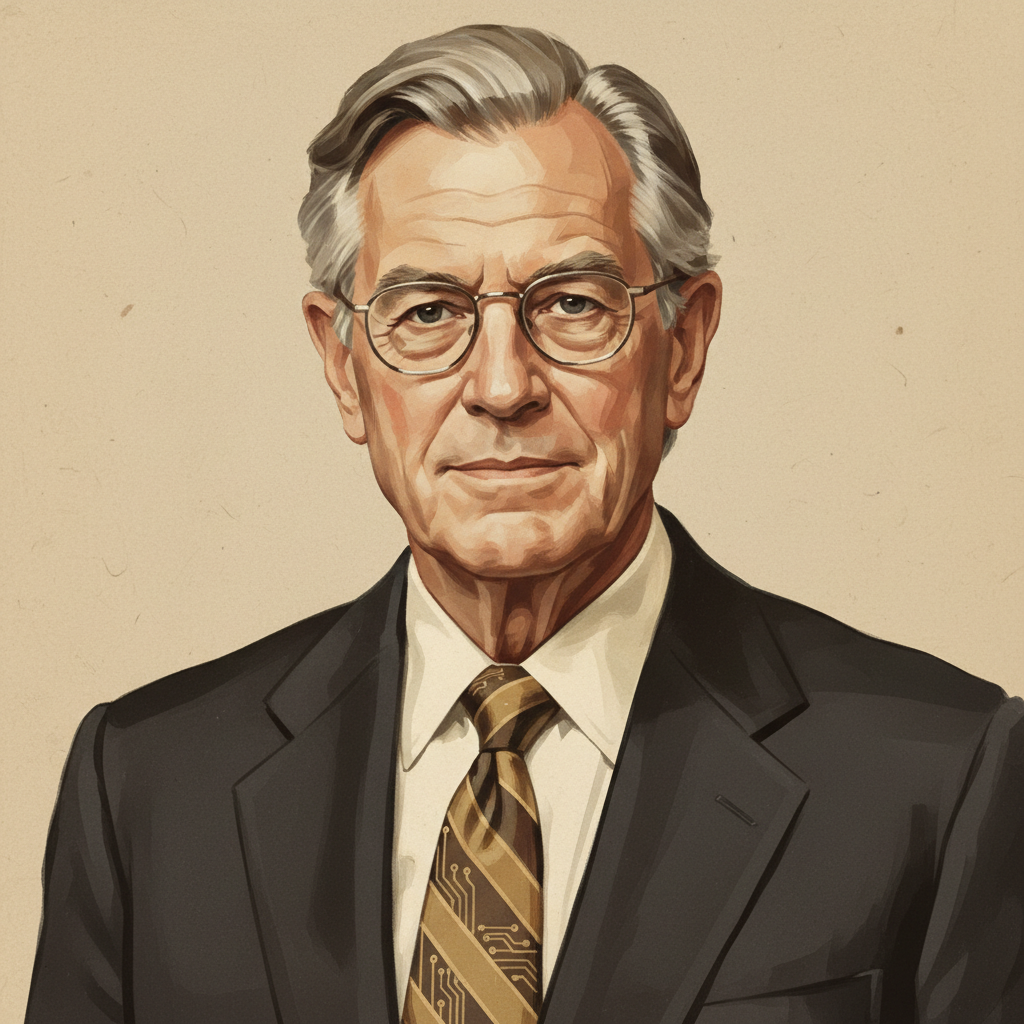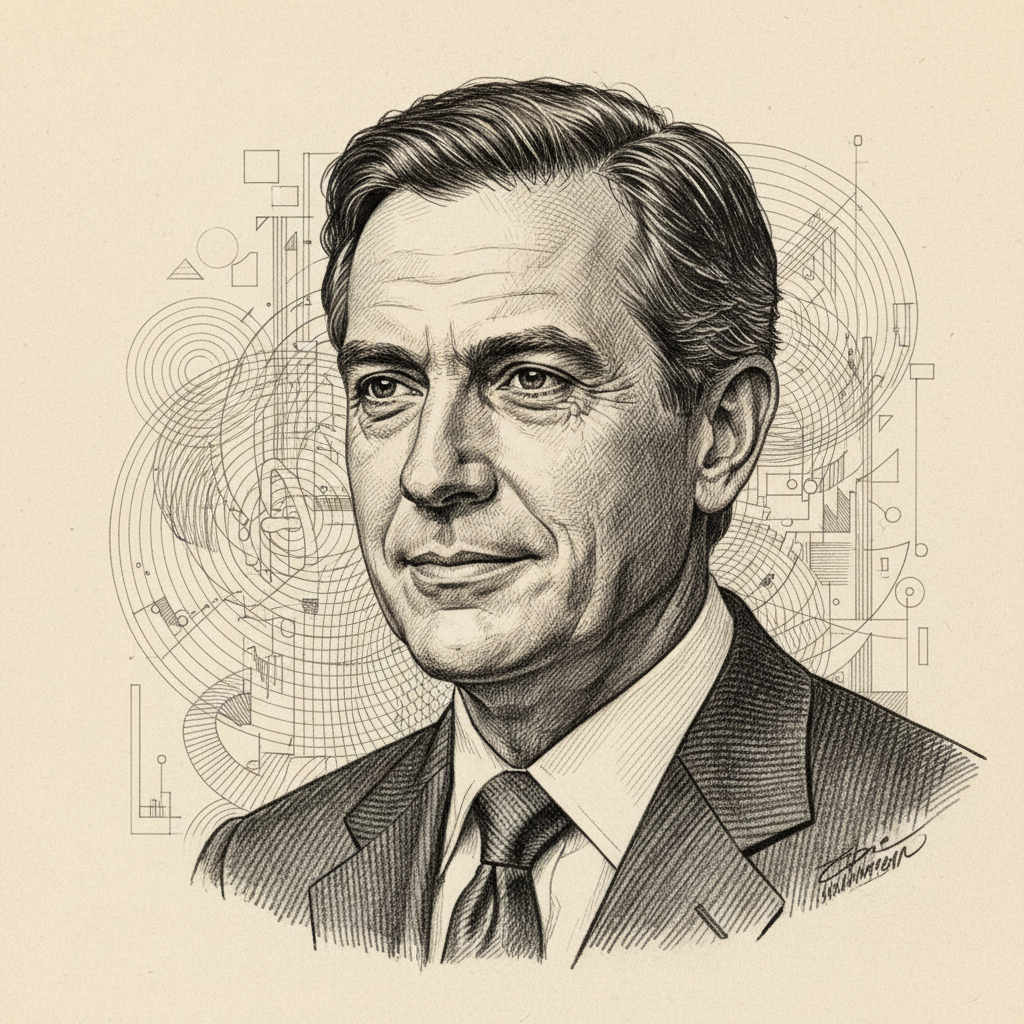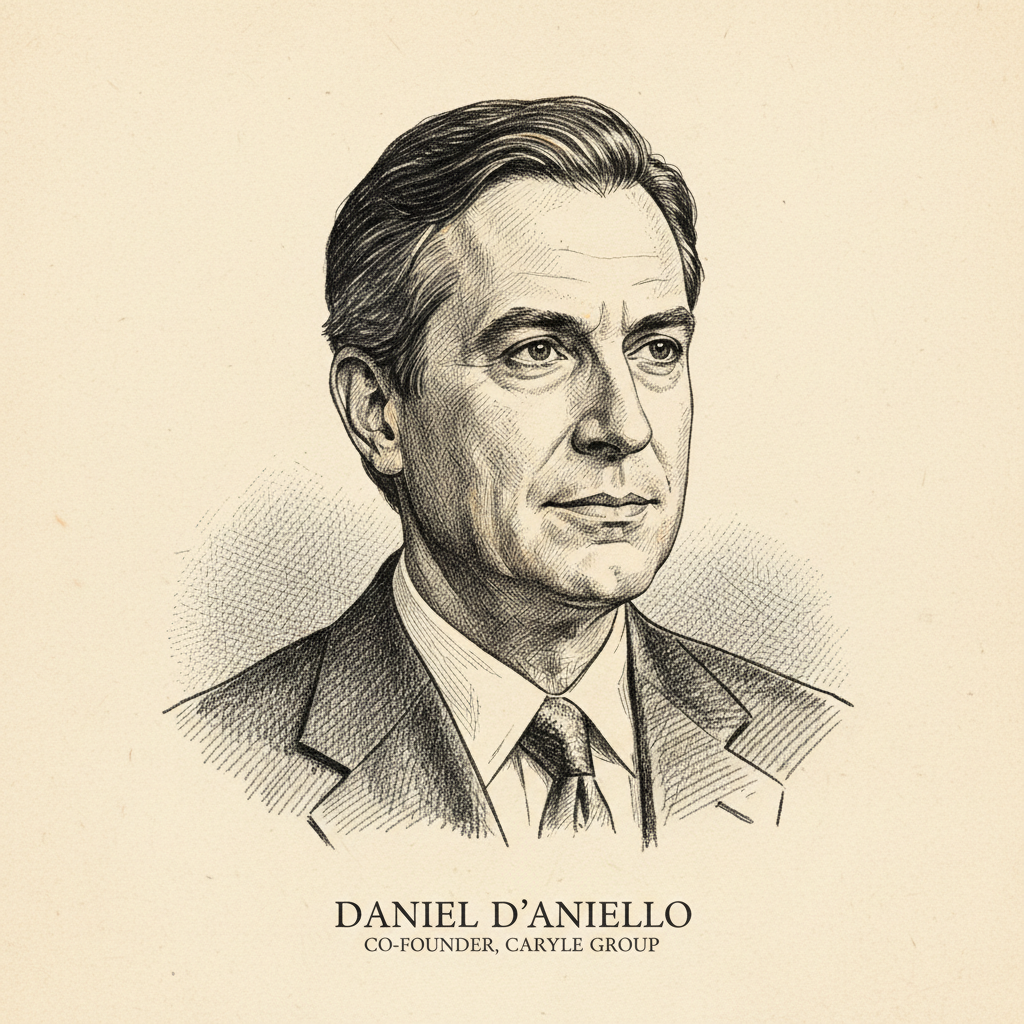
Daniel D'Aniello
Co-founder of The Carlyle Group, a global investment firm specializing in alternative asset management.
David Rubenstein, William Conway, and Daniel D'Aniello co-founded The Carlyle Group in 1987. From its inception as a boutique investment firm, Carlyle grew into one of the world's largest and most successful alternative asset managers, with D'Aniello playing a pivotal role in strategy and operations.
Biography
Accomplishments
- 01Co-founded The Carlyle Group in 1987, transforming it into one of the world's largest and most diversified alternative asset managers, with over $380 billion in assets under management as of Q4 2023.
- 02Served as Chief Operating Officer for over two decades, building the operational infrastructure and financial controls necessary to support Carlyle's rapid global expansion and diverse investment strategies.
- 03Led Carlyle through multiple economic cycles and market dislocations, demonstrating robust risk management and strategic adaptability.
- 04Orchestrated key operational integrations and efficiencies as Carlyle expanded its product offerings from leveraged buyouts to include real estate, credit, infrastructure, and fund-of-funds strategies.
- 05Successfully transitioned from an executive leadership role to Chairman Emeritus, ensuring continuity and governance stability for a publicly traded alternative asset manager (NASDAQ: CG).
Lessons for Operators
Key Takeaways
Practical lessons distilled for operators, investors, C-levels, and capital allocators.
Build Operational Fortitude Early
For any rapidly scaling enterprise, particularly in finance, investing deeply in operational infrastructure (finance, compliance, IT, HR) from the outset prevents future bottlenecks and enables sustainable growth. D'Aniello's focus on this was critical for Carlyle.
Master the Global Scale-Up
Expanding globally requires more than just opening offices; it demands local market expertise, cultural integration, and centralized oversight. D'Aniello's role involved harmonizing global operations while respecting regional nuances.
Integrate Risk Management Systematically
In alternative assets, risk is inherent. D'Aniello ensured that robust financial controls, compliance frameworks, and risk assessment protocols were embedded into Carlyle's DNA, protecting capital and reputation across diverse investments.
The Power of the 'Quiet' Leader
While Rubenstein often represented Carlyle publicly, D'Aniello's 'behind-the-scenes' operational and financial leadership was equally critical. Recognize that foundational operational architects are indispensable, even if not always in the spotlight.
Strategic Patience in Value Creation
Carlyle's long-term success was not built on short-term gains but on a patient, disciplined approach to value creation through operational improvements and strategic asset allocation, a philosophy D'Aniello championed.
Frameworks & Principles
Named frameworks and strategic principles they popularized or embodied.
Operational Excellence Model (O.E.M.)
A framework prioritizing the continuous improvement of internal processes, financial controls, and technological infrastructure to ensure scalability, efficiency, and compliance. D'Aniello applied this by rigorously building Carlyle's back-office and global operational capabilities.
When to useWhen scaling a business rapidly, particularly in regulated industries, or when seeking to maximize enterprise value through internal efficiencies and robust control systems.
Multi-Strategy Global Platform Development
A strategic approach to building an investment firm that encompasses diverse asset classes (e.g., private equity, credit, real estate) and global geographies, allowing for diversified revenue streams, broader investor access, and reduced concentration risk. Carlyle's evolution under D'Aniello exemplifies this.
When to useFor investment managers looking to expand beyond their core competency, financial institutions aiming for broader market penetration, or enterprises seeking to create multiple synergistic business units.
Integrated Risk and Control Framework
A holistic system for identifying, assessing, monitoring, and mitigating financial, operational, and reputational risks across all business units and geographies. This includes robust budgeting, audit functions, and compliance policies.
When to useEssential for any large organization, especially those with complex financial transactions, international operations, or significant regulatory exposure. Critical for maintaining investor and stakeholder trust.
Recent Appearances
Latest interviews, keynotes, and press from the past half year.
 youtube.com
 youtube.com
 youtube.com
 youtube.com
 youtube.com
 youtube.com
 youtube.com
 youtube.com
 youtube.com
 youtube.com
 youtube.com
 youtube.com
 youtube.com
Sources & Further Reading
Profiles, interviews, podcasts, and articles used to compile and verify this entry. Each link opens at the original publisher.
Explore Related Titans
Other figures in the archive who share Daniel D'Aniello's domain, geography, or era.
More in Finance & Investing

From United States






Contemporaries — born 1940s