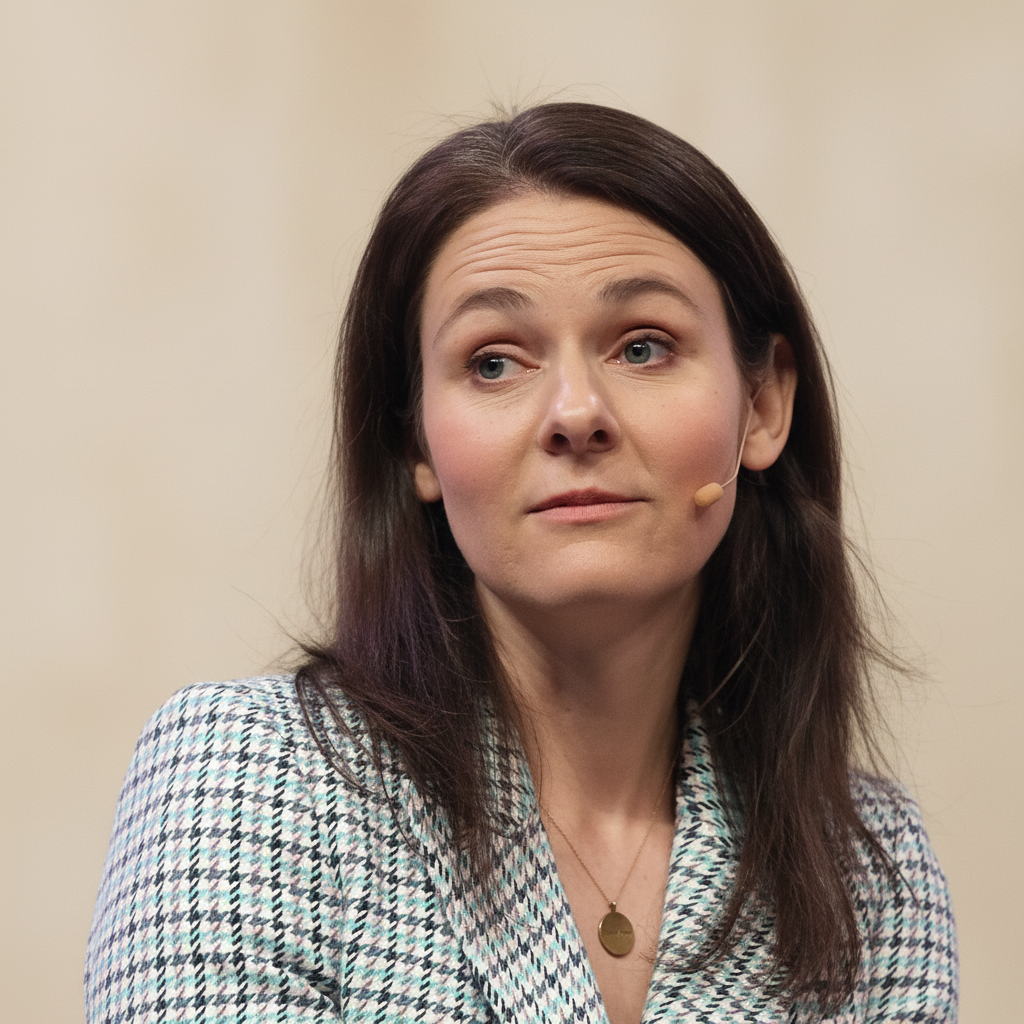
Scott C. Nuttall
Scott C. Nuttall is Co-Chief Executive Officer and a member of the Board of Directors of KKR, a leading global investment firm focused on alternative asset management.
Scott C. Nuttall, born in 1972, is the Co-Chief Executive Officer of KKR, a position he assumed in 2021. He joined KKR in 1996 and has been instrumental in the firm's strategic expansion, including its public listing, diversification into new asset classes, and growth in its capital markets business. Nuttall previously served as Co-President and Co-Chief Operating Officer, overseeing the firm's global businesses and operations. He holds an A.B. from the University of Pennsylvania.
Biography
Accomplishments
- 01Led KKR's public listing on the New York Stock Exchange in 2010, significantly increasing transparency and access to capital for the firm.
- 02Spearheaded the dramatic expansion of KKR's Global Capital Markets business, transforming it into a full-service platform that underwrites and arranges financing for KKR investments and third parties.
- 03Orchestrated the strategic diversification of KKR's asset base beyond traditional private equity, driving growth into new areas such as credit, infrastructure, real estate, and hedge fund solutions.
- 04Successfully transitioned into the role of Co-CEO in 2021, ensuring leadership continuity and strategic direction for KKR's next phase of growth.
- 05Played a critical role in KKR's global expansion, contributing to the firm's increased presence and investment activities across Asia and Europe.
- 06Developed and scaled KKR's balance sheet management strategy, optimizing capital allocation and enhancing shareholder value through strategic investments.
- 07Championed initiatives to broaden KKR's client base, attracting a wider range of institutional and high-net-worth investors to its alternative products.
- 08Contributed to KKR's significant growth in Assets Under Management (AUM), from approximately $50 billion in the mid-2000s to over $500 billion by the early 2020s.
Lessons for Operators
Key Takeaways
Practical lessons distilled for operators, investors, C-levels, and capital allocators.
Strategic Evolution Through Diversification
Nuttall's leadership was central to transforming KKR from a specialized private equity firm into a multi-asset alternative investment powerhouse. This involved expanding into credit, infrastructure, real estate, and hedge fund strategies, significantly broadening KKR's market reach and resilience.
Leveraging Public Markets for Growth
His role in KKR's public listing on the NYSE in 2010 provided the firm with permanent capital, enhanced public profile, and currency for future growth and acquisitions, demonstrating how a strategic IPO can be a transformative event for a private firm.
Building a Robust Capital Markets Franchise
Nuttall scaled KKR's capital markets capabilities, enabling the firm to underwrite and syndicate its own deals, reducing reliance on third-party banks, and creating a significant profit center that also serves external clients.
Importance of Succession and Institutional Leadership
The well-orchestrated leadership transition to Nuttall and Bae from the founders highlights the value of long-term succession planning in maintaining firm stability and strategic continuity for decades-old institutions.
Aggressive Global Expansion
Nuttall championed KKR's international growth, particularly in Asia, establishing a strong global footprint that allows the firm to capitalize on diverse economic opportunities and attract a global investor base.
Focus on Value-Add Beyond Capital
KKR, under Nuttall's influence, has emphasized providing operational expertise and strategic guidance to portfolio companies, moving beyond just financial engineering to drive fundamental business improvement.
Active Balance Sheet Management
Nuttall oversaw the strategic deployment of KKR's balance sheet capital, using it to seed new strategies, co-invest alongside funds, and make direct investments, optimizing capital returns for shareholders.
Innovation in Product Development
His tenure has seen KKR innovate in developing new investment products and vehicles, catering to evolving investor demands and market opportunities, particularly in areas like impact investing and private credit.
Frameworks & Principles
Named frameworks and strategic principles they popularized or embodied.
Diversification Strategy
A deliberate approach to expanding an investment portfolio or business operations into various asset classes, industries, or geographic regions to mitigate risk and capture new growth opportunities.
When to useWhen an existing core business shows signs of maturity, when market conditions for a single asset class become volatile, or when seeking to broaden revenue streams and appeal to a wider investor base.
Integrated Capital Markets Model
Developing internal capabilities to provide capital markets services (e.g., underwriting, syndication, advisory) for both internal transactions and external clients, thereby creating a new profit center and enhancing control over deal financing.
When to useFor large investment firms or corporations that frequently engage in complex financing transactions, where outsourcing capital markets functions is costly, slow, or creates dependency.
Multi-Asset Platform Development
Building a comprehensive investment platform that offers various alternative asset classes (e.g., private equity, credit, infrastructure, real estate) under one umbrella, leveraging shared resources and cross-selling opportunities.
When to useWhen a firm has established expertise in one asset class and seeks to expand its total addressable market, deepen client relationships, and create a more resilient business model.
Strategic Succession Planning (Long-Term)
A proactive, multi-year process for identifying, developing, and transitioning key leadership roles to ensure business continuity, preserve institutional knowledge, and maintain strategic direction.
When to useEssential for any organization, particularly those with long-serving founders or critical executives, to manage leadership transitions smoothly and avoid disruption to operations and strategy.
Balance Sheet Allocation Optimization
Strategically deploying corporate balance sheet capital to seed new funds, co-invest alongside client funds, or make direct proprietary investments, aiming to generate additional returns and align interests.
When to useFor financial institutions and large corporations with significant cash reserves or capital, seeking to enhance shareholder returns by actively managing and investing their own capital.
Recent Appearances
Latest interviews, keynotes, and press from the past half year.
 youtube.com
 youtube.com
 youtube.com
 youtube.com
 youtube.com
 youtube.com
 youtube.com
 youtube.com
 youtube.com
 youtube.com
 youtube.com
 youtube.com
 youtube.com
 youtube.com
 youtube.com
 youtube.com
 youtube.com
 youtube.com
 youtube.com
 youtube.com
Explore Related Titans
Other figures in the archive who share Scott C. Nuttall's domain, geography, or era.
More in Finance & Investing










From United States







Contemporaries — born 1970s