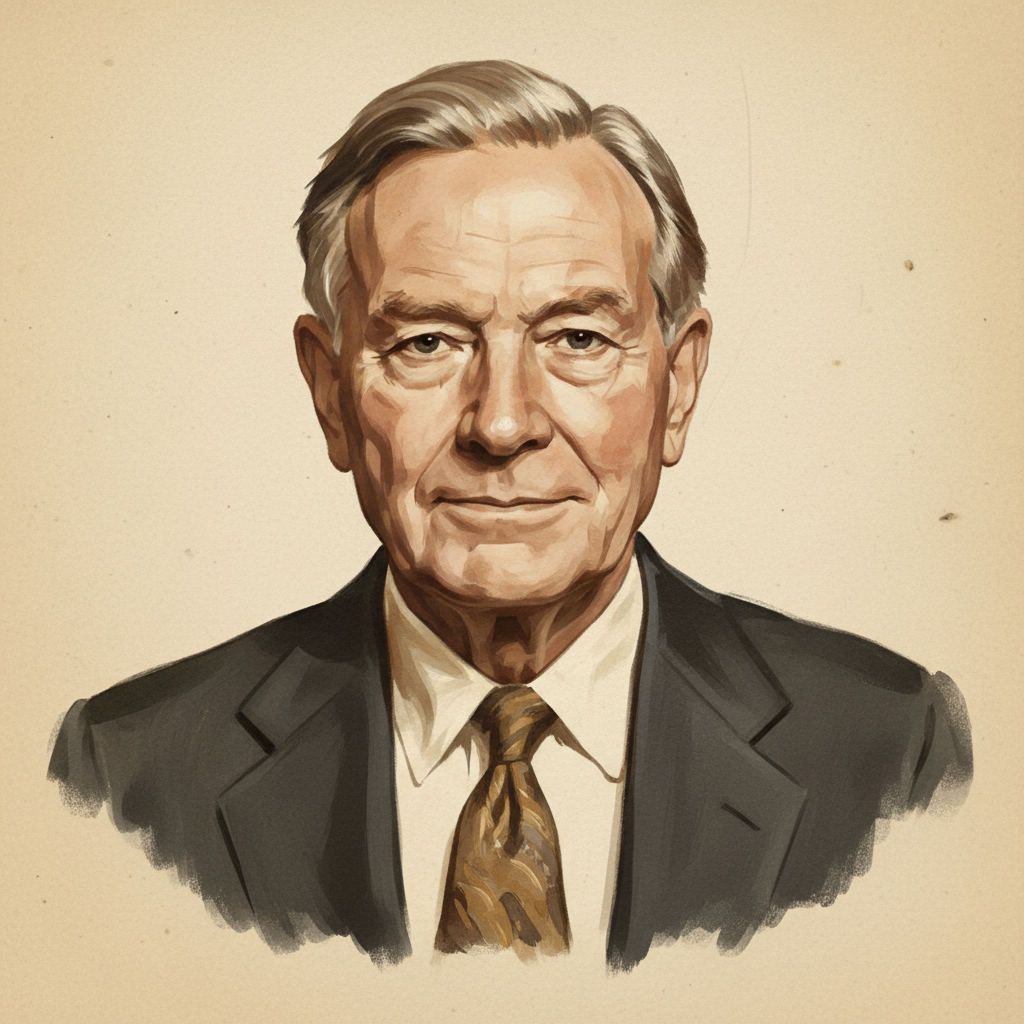
Portrait of Sandra Horbach
Modern Architect ·

Sandra Horbach

A titan in private equity, Sandra Horbach has driven significant value creation through strategic buyouts and operational improvements across diverse industries for The Carlyle Group.

Country
United States
Continent
North America
Industry
Private Equity
Role
Head of US Buyout, The Carlyle Group

Sandra Horbach is a Managing Director and Co-Head of US Buyout at The Carlyle Group, one of the world's largest and most diversified investment firms. With over three decades of experience in private equity, she has led numerous complex transactions across consumer, retail, media, and healthcare sectors, consistently delivering strong returns for investors through strategic acquisitions, operational enhancements, and successful exits. Horbach is recognized for her deep industry knowledge, disciplined investment approach, and commitment to value creation.

Biography

Sandra Horbach embarked on her distinguished career in finance after earning her B.A. magna cum laude from Wellesley College and an M.B.A. from Stanford University Graduate School of Business. She joined The Carlyle Group in 2005, bringing with her extensive experience from previous roles at Trust Company of the West (TCW) and Greenhill & Co., where she honed her expertise in leveraged buyouts and corporate advisory. At Carlyle, Horbach quickly ascended, becoming a pivotal figure in the US Buyout platform. As a Managing Director and Co-Head of US Buyout, she oversees investment strategy, transaction execution, and portfolio management for a significant portion of Carlyle's flagship funds. Her investment philosophy emphasizes identifying high-quality companies with strong market positions, partnering with management teams to implement operational improvements, drive growth, and execute strategic M&A. Notably, she has spearheaded investments in companies like Vogue International (acquired 2010, exited 2014), Philosophy (acquired 2010, exited 2012), Acosta (acquired 2011, exited 2019), ECi Software Solutions (acquired 2017, exited 2021), and Healthscope (acquired 2010, exited 2014). Beyond her investment responsibilities, Horbach is actively involved in Carlyle's firm-wide initiatives, including diversity and inclusion, and serves on various investment committees. She is also a recognized voice in the broader private equity industry, frequently speaking on market trends, investment strategies, and corporate governance.

Accomplishments

  • 01Co-Head of US Buyout at The Carlyle Group, overseeing billions in assets and driving investment strategy and execution for one of the firm's largest segments.
  • 02Led or co-led numerous successful investments, including Vogue International (achieved a 3.5x return upon sale to Johnson & Johnson) and Philosophy (sold to Coty Inc. for a significant return).
  • 03Pioneered investment strategies in the consumer and retail sectors, identifying and transforming brands for sustained growth and profitability.
  • 04Served on the boards of multiple portfolio companies, providing strategic guidance and contributing directly to operational improvements and value creation.
  • 05Instrumental in Carlyle's institutional growth and reputational enhancement within the competitive global private equity landscape.
  • 06Developed a reputation for rigorous due diligence, disciplined capital allocation, and effective partnership with management teams.
  • 07Championed diversity and inclusion initiatives within Carlyle, contributing to a more equitable and robust investment environment.

Lessons for Operators

Disciplined due diligence is paramount; deep dives into market dynamics, competitive landscapes, and management capabilities mitigate risk and uncover true value.
Operational transformation is as critical as financial engineering; successful buyouts require active engagement to optimize processes, improve efficiency, and expand market reach.
Strong management partnerships are essential; aligning incentives and fostering transparent communication with portfolio company leadership drives superior outcomes.
Sector expertise and thematic investing provide an edge; focusing on specific industries allows for deeper insights into trends, risks, and opportunities.
Be patient and strategic in value creation; private equity is not about quick flips but about building sustainable businesses over a multi-year horizon.
Exit strategy should be considered early; understanding potential buyers and market conditions from the outset informs investment decisions and value-maximizing actions.
The Operator's Playbook

Key Takeaways

Practical lessons distilled for operators, investors, C-levels, and capital allocators.

Lesson 01

Value Creation Beyond Leverage

Horbach's career demonstrates that while leverage is a tool, sustainable value in private equity is primarily generated through operational improvements, strategic growth initiatives, and effective management partnerships, not merely financial engineering. Investors should prioritize GPs who have a proven track record of operational engagement.

Lesson 02

Sector Specialization Pays Dividends

Her success in consumer, retail, and healthcare sectors highlights the advantage of developing deep industry expertise. This allows for better identification of attractive assets, more insightful due diligence, and more effective post-acquisition strategic guidance. Operators and investors should seek to specialize or partner with specialists.

Lesson 03

The Power of Active Ownership

Horbach exemplifies active ownership, where private equity firms are not passive investors but rather hands-on partners. This includes providing strategic oversight, recruiting talent, optimizing capital structures, and driving operational efficiencies. Fund managers should evaluate a PE firm's capacity for active ownership.

Lesson 04

Long-Term Vision in a Short-Term World

Private equity's typical 3-7 year holding periods necessitate a long-term strategic vision combined with the agility to execute short-term operational improvements. Horbach's investments reflect a patient approach to building enterprise value. C-levels and founders considering PE partners should assess their alignment on long-term growth versus short-term gains.

Lesson 05

The Strategic Exit

Successful private equity depends as much on the exit as on the entry. Horbach's portfolio exits demonstrate an understanding of market timing and buyer identification, maximizing returns. Investors should scrutinize a fund's exit track record and strategy, not just its entry prices.

Mental Models

Frameworks & Principles

Named frameworks and strategic principles they popularized or embodied.

01

Thematic Sourcing & Investment

Identifying macro-level trends (e.g., shifts in consumer behavior, technological disruption, healthcare innovation) to proactively source investment opportunities that align with these long-term themes.

When to useWhen identifying new investment sectors or sub-sectors, developing an investment thesis, or seeking to capitalize on secular growth trends. Useful for fund managers to refine deal origination.

02

Operational Value Creation Playbook

A systematic approach to enhancing portfolio company performance post-acquisition, encompassing areas such as supply chain optimization, digital transformation, cost rationalization, and revenue growth initiatives.

When to useImmediately post-acquisition, during quarterly board meetings, or when a portfolio company faces performance challenges. Applicable for C-levels within PE-backed companies or GPs developing their value-add strategies.

03

Management Alignment & Incentive Structuring

Designing compensation packages and equity grants that align the interests of portfolio company management with those of the private equity investor, ensuring shared goals for value creation.

When to useDuring the due diligence phase and immediately post-closing, when negotiating terms with existing or incoming management teams. Essential for GPs to incentivize performance and for operators to understand deal terms.

Adjacent Minds

Explore Related Titans

Other figures in the archive who share Sandra Horbach's domain, geography, or era.

Finance & Investing

More in Finance & Investing

Browse all →
Portrait of Warren Buffett
UNITED STATES / INVESTING
Warren Buffett
The Oracle of Omaha: Architect of long-term value investing and compounding returns through disciplined acquisition and intrinsic value focus.
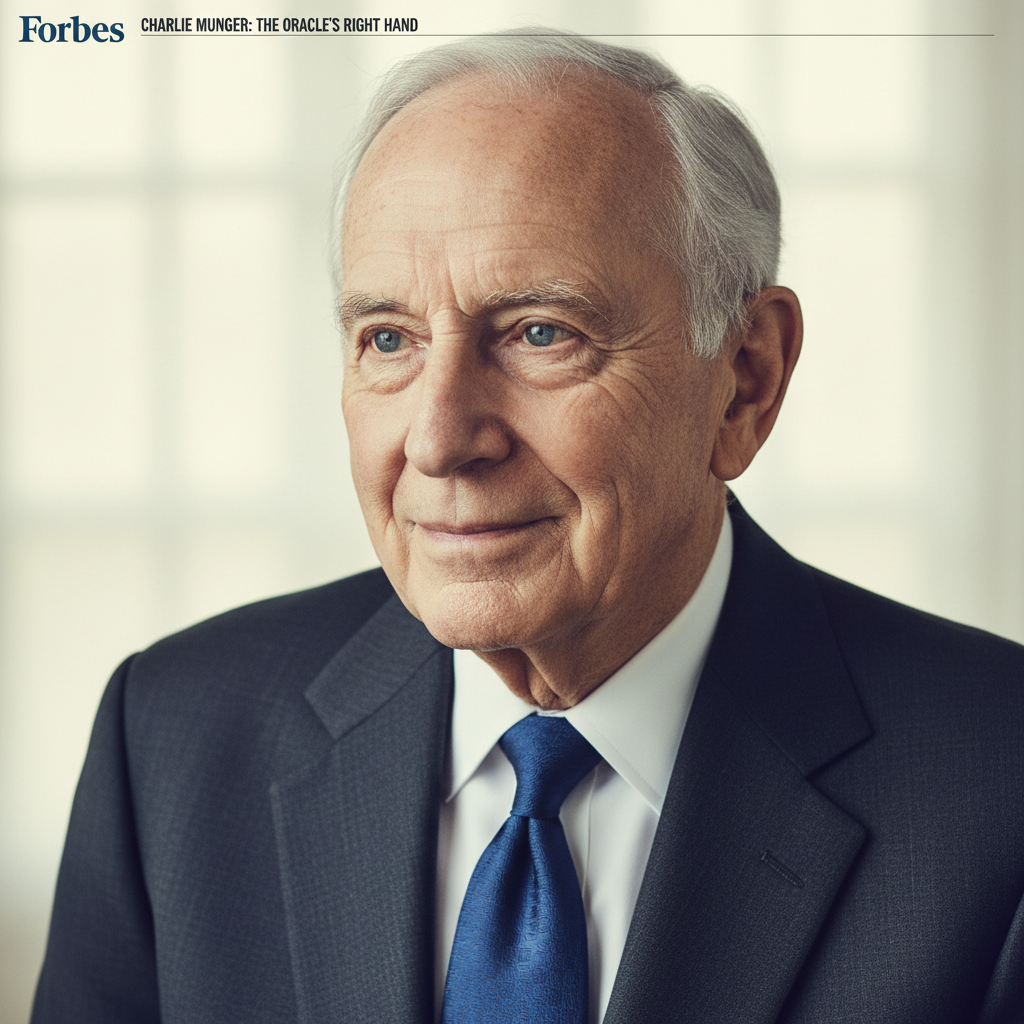
Portrait of Charlie Munger
USA / DIVERSIFIED HOLDINGS, INVESTMENT MANAGEMENT
Charlie Munger
The architect of modern value investing at Berkshire Hathaway, known for his multidisciplinary approach and acerbic wit.
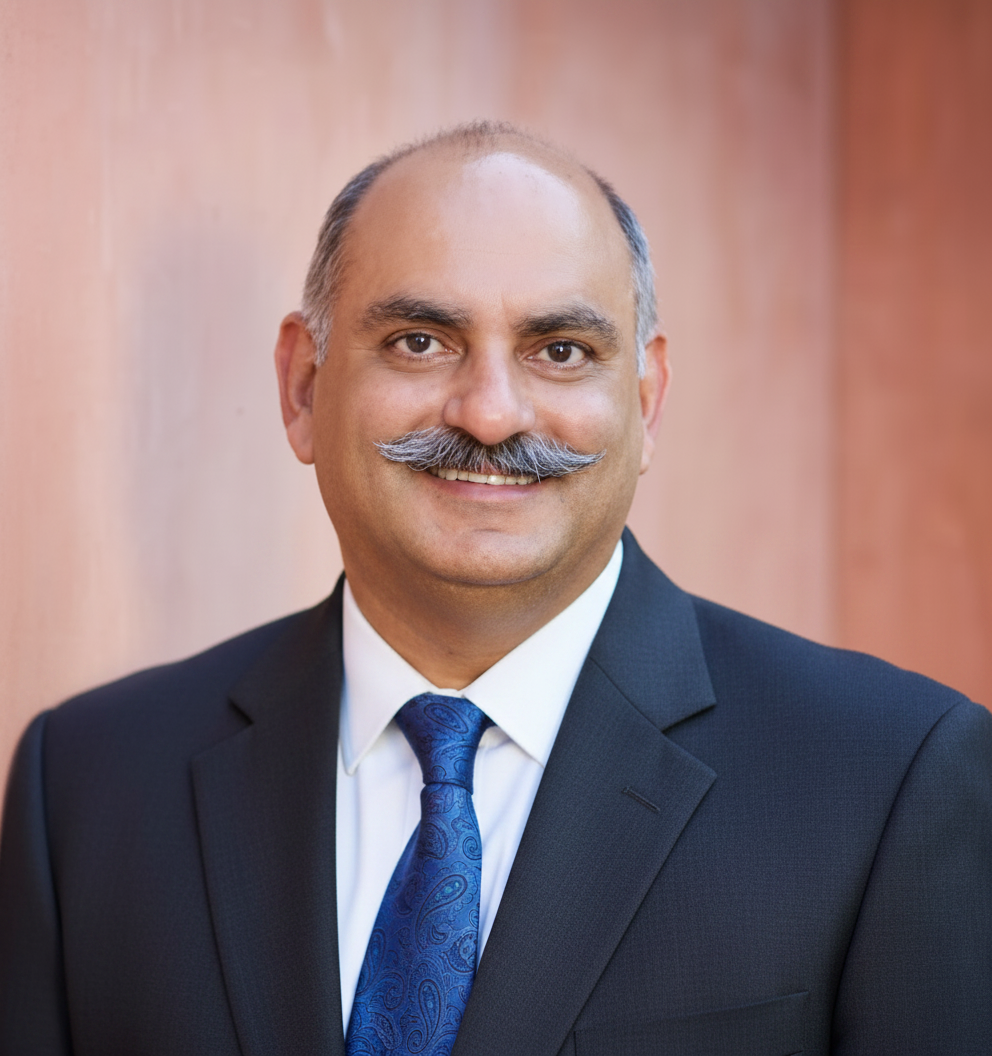
Portrait of Mohnish Pabrai
UNITED STATES / FINANCIAL SERVICES
Mohnish Pabrai
The Dhandho Investor: A Value Investing Maverick.
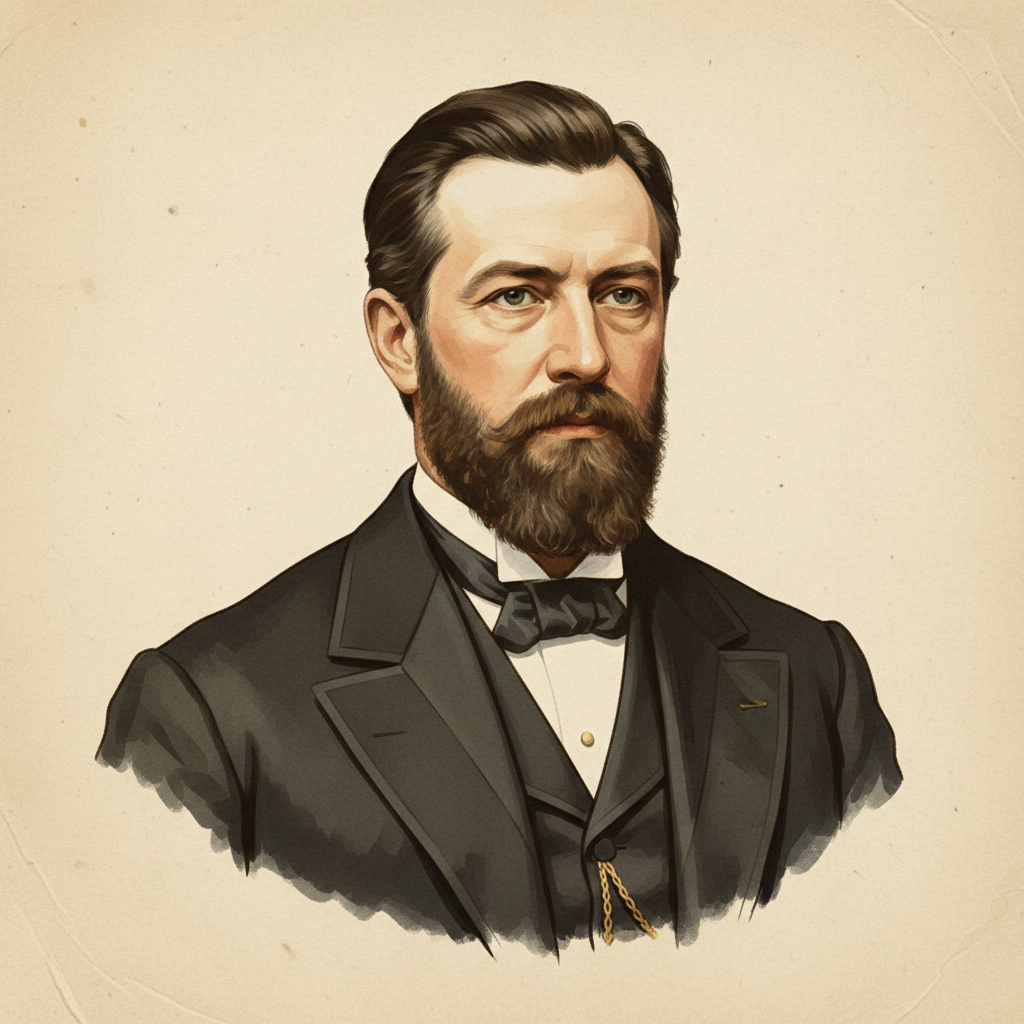
Portrait of J. Pierpont Morgan
UNITED STATES / BANKING & FINANCE
J. Pierpont Morgan
The architect of American industrial capitalism and financial stability.
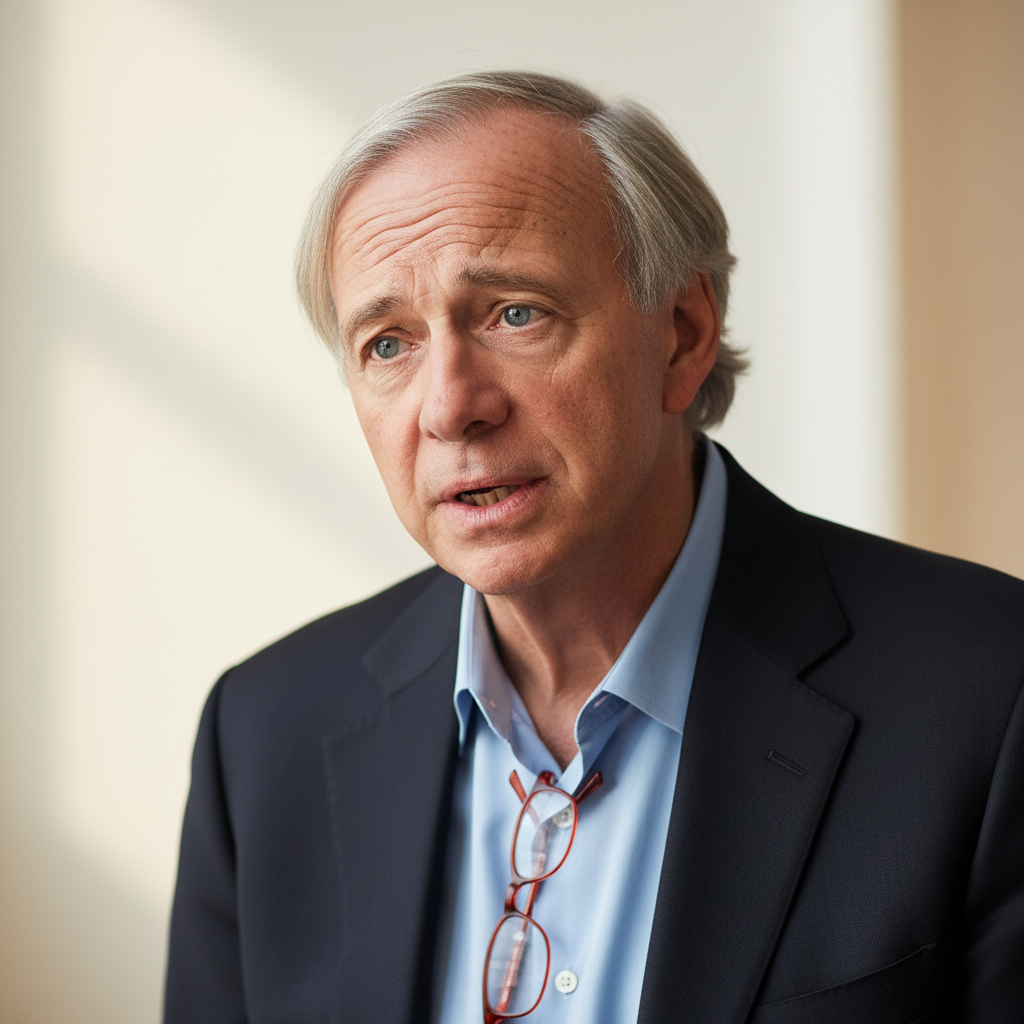
Portrait of Ray Dalio
UNITED STATES / INVESTMENT MANAGEMENT
Ray Dalio
The architect of 'radical transparency' and systematic investing, Ray Dalio built Bridgewater Associates into one of the world's largest and most influential hedge funds.
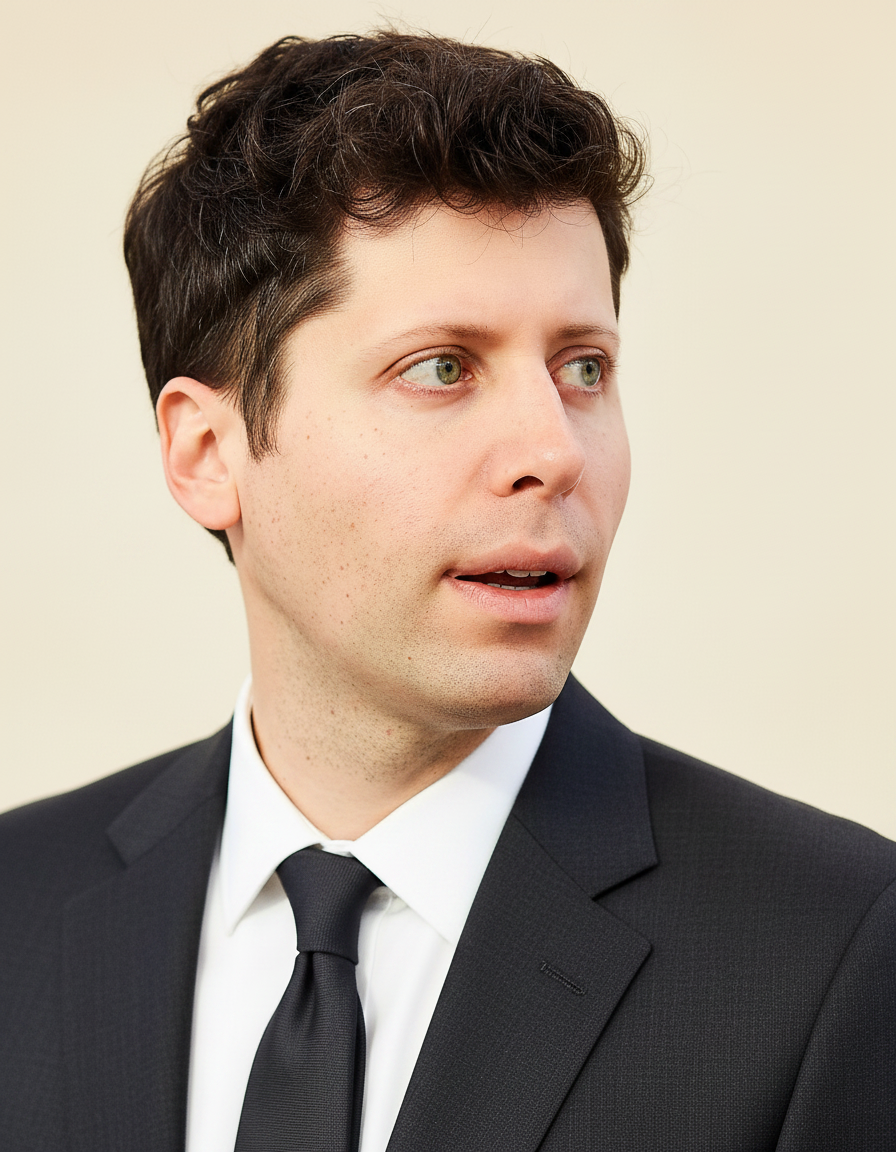
Portrait of Sam Altman
UNITED STATES / ARTIFICIAL INTELLIGENCE, VENTURE CAPITAL
Sam Altman
Architect of Artificial General Intelligence and Venture Capital Visionary.
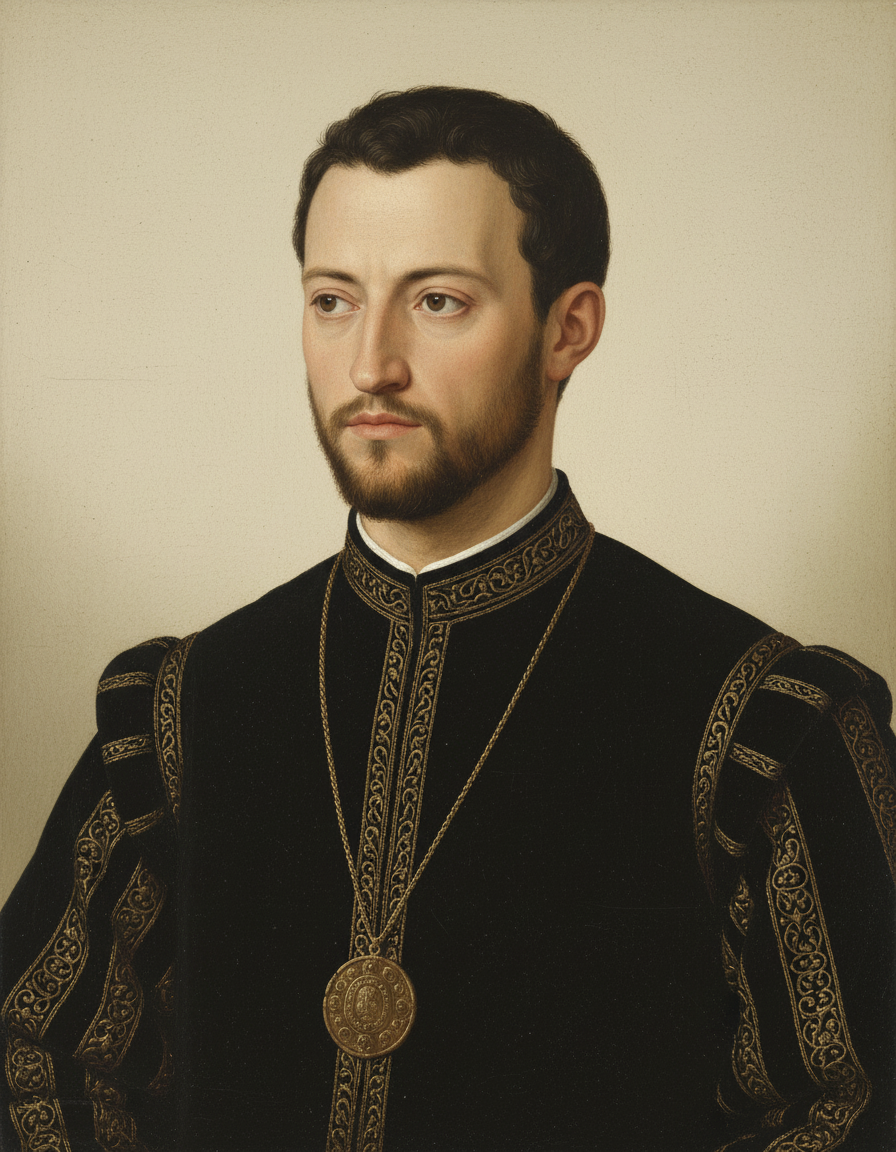
Portrait of Cosimo de' Medici
ITALY / BANKING, FINANCE, STATESMANSHIP
Cosimo de' Medici
The architect of Medici power, leveraging finance and cultural patronage to establish a dynastic legacy.
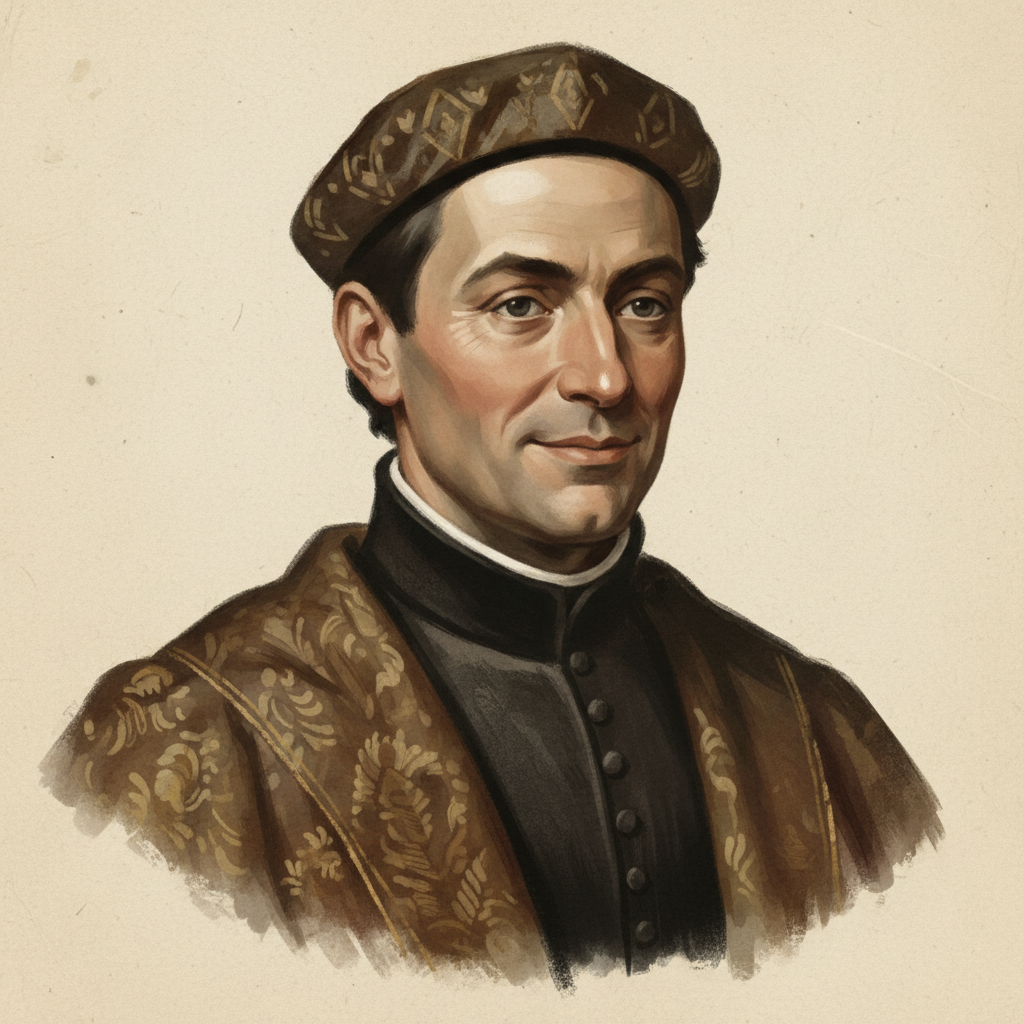
Portrait of Giovanni di Bicci de' Medici
ITALY / BANKING AND FINANCE
Giovanni di Bicci de' Medici
The silent architect of Florence's financial supremacy and the Medici dynasty.
Portrait of Bruce Kovner
UNITED STATES / FINANCIAL SERVICES
Bruce Kovner
Pioneering Macro Trader and Founder of Caxton Associates
Portrait of Manfredi Lefebvre d'Ovidio
ITALY, MONACO / LEISURE & TRAVEL, INVESTMENTS
Manfredi Lefebvre d'Ovidio
A leisure and travel magnate noted for strategic divestment and investment in high-end tourism.
United States

From United States

Browse all →
Portrait of Andrew Carnegie
UNITED STATES / STEEL & MANUFACTURING
Andrew Carnegie
The architect of American steel supremacy and a pioneering industrialist whose innovations in cost control and vertical integration reshaped global manufacturing.
Portrait of Warren Buffett
UNITED STATES / INVESTING
Warren Buffett
The Oracle of Omaha: Architect of long-term value investing and compounding returns through disciplined acquisition and intrinsic value focus.
Portrait of Jeff Bezos
UNITED STATES / TECHNOLOGY, RETAIL, LOGISTICS, CLOUD COMPUTING, SPACE EXPLORATION
Jeff Bezos
Architect of Amazon, pioneer of e-commerce, and visionary across cloud computing, logistics, and space exploration.
Portrait of Bill Gates
UNITED STATES / SOFTWARE, TECHNOLOGY, PHILANTHROPY
Bill Gates
Co-founder of Microsoft, architect of the personal computing revolution, and global philanthropist.
Portrait of Satya Nadella
UNITED STATES / TECHNOLOGY
Satya Nadella
Architect of Microsoft's cloud-first, AI-driven renaissance, shifting culture and strategy to drive sustained growth and market leadership.
Portrait of Sam Walton
UNITED STATES / RETAIL
Sam Walton
The architect of modern retail, pioneering discount merchandising and logistical efficiency to establish the world's largest retail corporation.
Portrait of Mark Cuban
UNITED STATES / TECHNOLOGY, MEDIA, SPORTS, HEALTHCARE
Mark Cuban
Mark Cuban: The Prolific Disrupter – From Software Startups to Sports Franchises and Pharmaceutical Innovation, Leveraging Technology and Direct-to-Consumer Models.
Portrait of Walt Disney
UNITED STATES / ENTERTAINMENT
Walt Disney
Co-founder of The Walt Disney Company, pioneering animation, theme parks, and diversified entertainment.
Portrait of Henry Ford
UNITED STATES / AUTOMOTIVE
Henry Ford
The architect of mass production, democratizing the automobile through efficiency and scale.
Portrait of Mohnish Pabrai
UNITED STATES / FINANCIAL SERVICES
Mohnish Pabrai
The Dhandho Investor: A Value Investing Maverick.