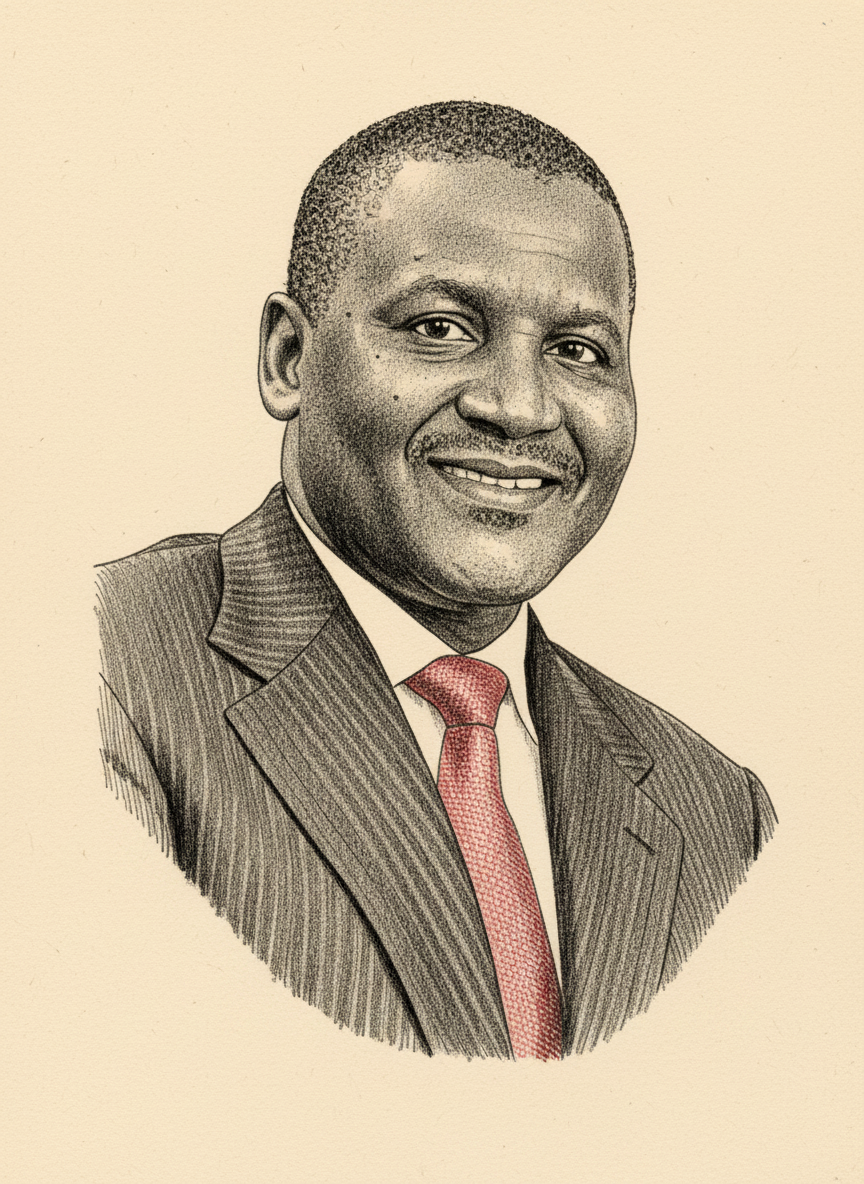
Robert Iger
Architect of Modern Disney: Iger's Strategic Acquisitions and Direct-to-Consumer Pivot.
Robert A. Iger served as CEO of The Walt Disney Company from 2005 to 2020, and again from 2022. He oversaw transformative acquisitions of Pixar (2006), Marvel (2009), Lucasfilm (2012), and 21st Century Fox (2019), significantly expanding Disney's intellectual property portfolio and market dominance. Iger also spearheaded Disney's entry into direct-to-consumer streaming with Disney+.
Biography
Accomplishments
- 01Successfully acquired Pixar Animation Studios (2006), Marvel Entertainment (2009), Lucasfilm (2012), and most of 21st Century Fox (2019), dramatically expanding Disney's IP and market share.
- 02Launched Disney+ (2019), a direct-to-consumer streaming service, accumulating tens of millions of subscribers and pivoting Disney's business model for the digital era.
- 03Oversaw the expansion and modernization of Disney's theme parks, including the opening of Shanghai Disney Resort (2016) and significant investments in Star Wars: Galaxy's Edge.
- 04Maintained Disney's brand integrity and creative output while integrating diverse acquired cultures and intellectual properties.
- 05Navigated significant industry shifts, including cord-cutting and the rise of streaming, by strategically investing in future-proof technologies and distribution channels.
Lessons for Operators
Key Takeaways
Practical lessons distilled for operators, investors, C-levels, and capital allocators.
IP as the Core Asset
For media companies, intellectual property is the paramount asset. Iger's aggressive strategy to acquire Pixar, Marvel, and Lucasfilm solidified Disney's position by owning the most globally recognized and monetizable franchises. Operators should assess how their core assets can be expanded or protected through M&A.
Direct-to-Consumer imperative
The shift to direct-to-consumer distribution, epitomized by Disney+, illustrates that bypassing intermediaries (like cable providers) is crucial for controlling customer relationships, data, and monetization in the digital age. Leaders across industries should evaluate their direct channels and customer ownership strategies.
Synergistic Integration
Iger's genius lay not just in acquiring assets, but in integrating them across Disney's diverse businesses—from films and TV to theme parks and merchandise. Acquirers must develop clear strategies for cross-platform synergy to maximize deal value and avoid disparate operations.
Cultural Alignment in M&A
Maintaining the distinct cultures of acquired creative powerhouses like Pixar and Marvel, while integrating them into Disney's corporate framework, was critical. Success in M&A often hinges on respecting and retaining the core strengths of the acquired entity, especially its creative talent.
Adapt to Technological Disruption
Iger's decision to invest heavily in streaming technology (BAMTech) and launch Disney+ proactively addressed the disruption posed by evolving consumption habits. Organizations must identify and invest in the technologies that will define their future, even if it means disrupting their current profitable models.
Frameworks & Principles
Named frameworks and strategic principles they popularized or embodied.
Portfolio-Building through Core IP Acquisition
A strategy focused on identifying and acquiring complementary intellectual property that enhances an existing portfolio, creates new revenue streams, and solidifies market leadership. This involves evaluating targets based on their brand strength, audience appeal, and potential for cross-platform monetization.
When to useWhen operating in content-driven or brand-dependent industries, facing saturation in existing markets, or seeking to diversify and future-proof revenue streams. Ideal for companies with strong integration capabilities.
Direct-to-Consumer Transformation
A strategic pivot from traditional distribution channels and intermediaries to establishing direct relationships with end-users. This typically involves significant investment in technology platforms, subscriber acquisition, and personalized user experiences.
When to useWhen industry trends indicate a shift towards disintermediation, existing distribution channels are eroding margins or customer insights, or there's an opportunity to create a more valuable direct relationship with the customer. Applicable across multiple sectors, including retail, finance, and media.
Cultural Integration for Acquired Entities
A systematic approach to M&A integration that prioritizes preserving the unique creative or operational culture of an acquired company, especially when its value is rooted in its talent or innovative processes, rather than imposing the acquirer's culture universally.
When to useWhen acquiring businesses whose primary value drivers are intangible assets like creative talent, proprietary methodologies, or distinct brand identities. Essential for preventing 'brain drain' and maintaining the acquired entity's unique strengths.
Sources & Further Reading
Profiles, interviews, podcasts, and articles used to compile and verify this entry. Each link opens at the original publisher.
Explore Related Titans
Other figures in the archive who share Robert Iger's domain, geography, or era.
More in Technology







From United States




Contemporaries — born 1950s