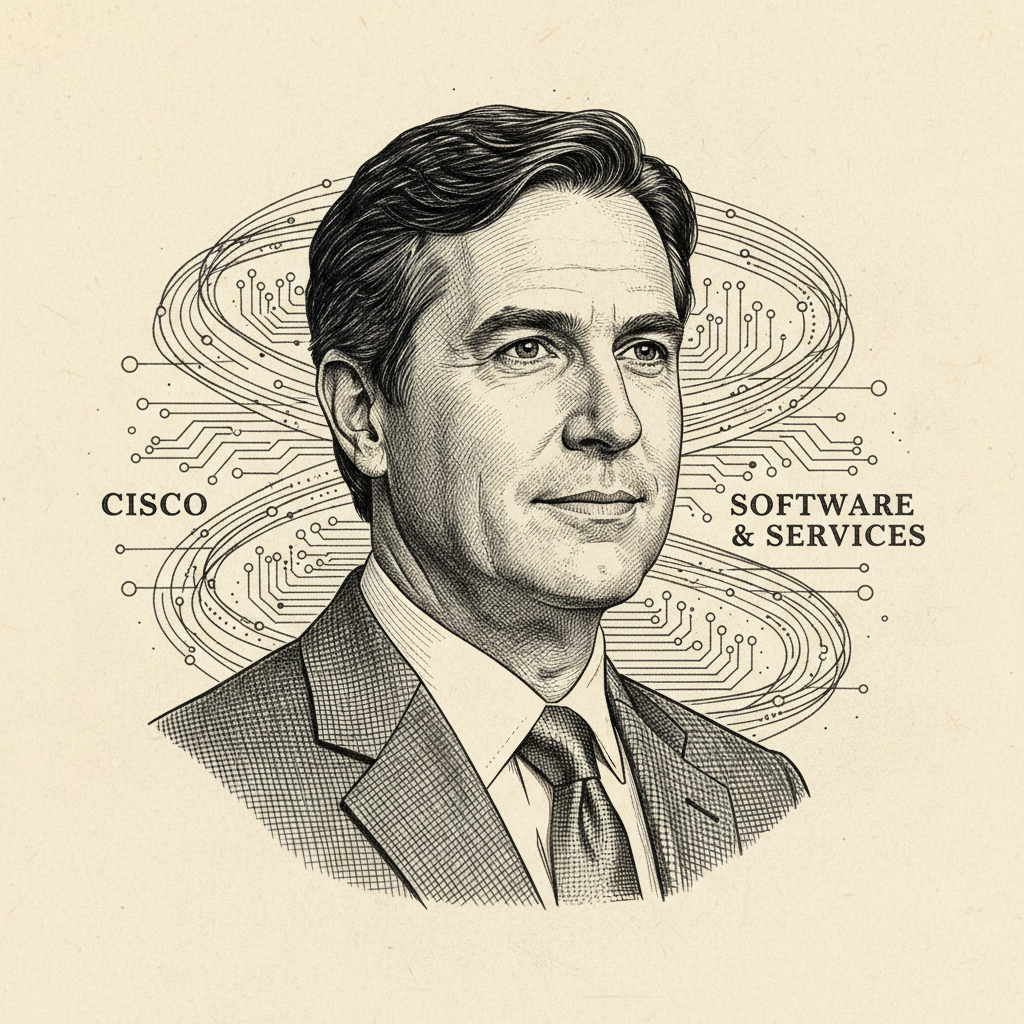
Richelieu Dennis
Founder of Sundial Brands, pioneer in inclusive consumer goods, and champion of Black economic empowerment.
Richelieu Dennis is an American entrepreneur, investor, and philanthropist best known as the founder of Sundial Brands. He built Sundial Brands into a successful personal care company focused on underrepresented consumer needs, eventually selling it to Unilever in 2017. Following the acquisition, Dennis established Essence Ventures and the New Voices Fund to support women of color entrepreneurs.
Biography
Accomplishments
- 01Co-founded Sundial Brands in 1991, growing it from selling products on the street to a multi-million-dollar enterprise.
- 02Developed SheaMoisture and Nubian Heritage, iconic brands that pioneered the inclusive beauty segment.
- 03Successfully negotiated the sale of Sundial Brands to Unilever for an estimated $1.6 billion in 2017, maintaining his role as CEO and Vice Chairman for Unilever's North America beauty and personal care division.
- 04Acquired Essence Communications from Time Inc. in 2017, establishing Essence Ventures to create an independent, Black-owned media and commerce ecosystem.
- 05Launched the $100 million New Voices Fund in 2017, specifically dedicated to investing in and supporting women of color entrepreneurs, demonstrating a commitment to economic equity.
- 06Championed a 'community commerce' business model, reinvesting profits into the communities that supported his brands.
Lessons for Operators
Key Takeaways
Practical lessons distilled for operators, investors, C-levels, and capital allocators.
Inclusive Market Focus
Significant value can be created by identifying and authentically serving overlooked or underserved consumer segments, particularly those defined by cultural or ethnic identity. These markets often exhibit high brand loyalty and willingness to pay for tailored solutions.
Impact-Driven Business Models
Integrating social impact and community empowerment into core business strategy (e.g., 'community commerce') can enhance brand equity, foster deeper consumer relationships, and create sustainable competitive advantages. Profits are then reinvested into value creation for all stakeholders.
Strategic Capital Deployment
Entrepreneurs and investors should consider how capital (either from an exit or new fund creation) can be strategically deployed to address systemic inequalities and foster entrepreneurship within specific communities. This extends the impact beyond personal wealth to ecosystem development.
Leveraging Media for Ecosystem Building
Acquiring and revitalizing key media platforms (e.g., Essence) can be a powerful strategy to build a larger ecosystem, connect with a target demographic, and amplify commercial and social initiatives.
Founder Vision Post-Acquisition
Successful entrepreneurs can structure M&A deals to retain influence and guide post-acquisition strategy, ensuring their vision continues to shape the acquired company or related ventures (e.g., Dennis's ongoing role and creation of the New Voices Fund).
Frameworks & Principles
Named frameworks and strategic principles they popularized or embodied.
Community Commerce Model
A business strategy where a company intentionally invests a portion of its profits and resources back into the communities that support its brand. This fosters economic development, creates shared value, and strengthens brand loyalty.
When to useApplicable for businesses targeting niche markets or communities, especially those that have historically been underserved. Ideal for brands focusing on ethical sourcing, social impact, or culturally specific products.
Niche Market Dominance (Underserved Segments)
Focusing intensely on a specific, often overlooked, consumer group with unique needs, and developing tailored products and marketing strategies to become the dominant player in that niche before expanding.
When to useEffective for startups or challengers entering mature markets where large incumbents ignore smaller, but potentially high-margin, segments. Requires deep understanding of the niche's unmet needs and cultural nuances.
Ecosystem Builder Strategy
Beyond individual businesses, creating a network of complementary ventures, platforms, and investment vehicles that collectively serve a specific demographic or industry. This often includes media, commerce, and capital allocation.
When to useSuitable for visionary entrepreneurs and investors aiming to establish long-term influence and generate systemic impact within a particular community or economic sector.
Explore Related Titans
Other figures in the archive who share Richelieu Dennis's domain, geography, or era.
More in Finance & Investing










From United States







Contemporaries — born 1960s