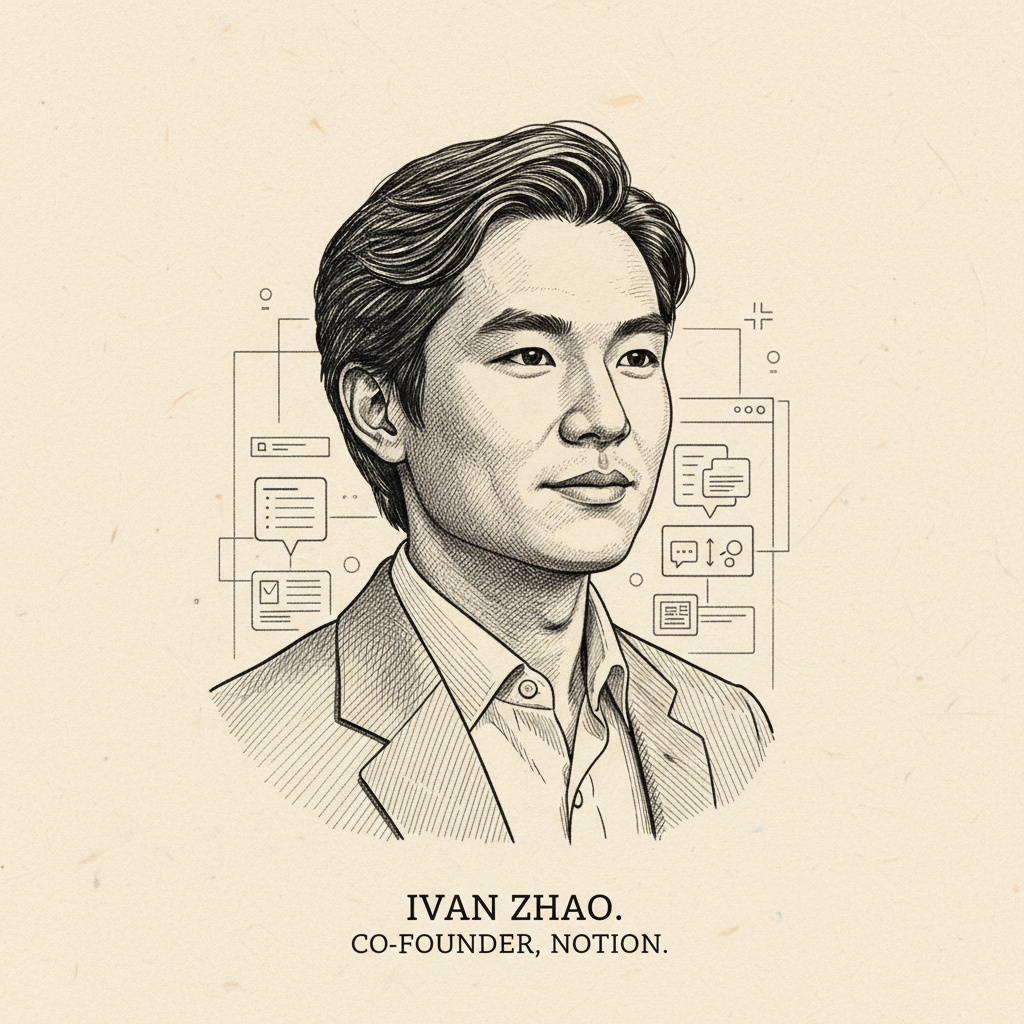
Kevin Systrom
Co-founder of Instagram, pioneer in mobile photography and social networking.
Kevin Systrom co-founded Instagram in October 2010, rapidly building it into a global phenomenon before its acquisition by Facebook for approximately $1 billion in April 2012. He served as Instagram's CEO until September 2018, overseeing its user growth from 30 million to over 1 billion.
Biography
Accomplishments
- 01Co-founded Instagram in October 2010, which became one of the fastest-growing social media platforms in history.
- 02Led Instagram to acquire 1 million users within two months of launch, ultimately reaching over 1 billion monthly active users under his leadership.
- 03Orchestrated Instagram's sale to Facebook for approximately $1 billion in cash and stock in April 2012, a significant exit for an early-stage startup.
- 04Integrated pivotal features such as Instagram Stories (2016) and IGTV (2018), which expanded the platform's functionality and sustained user engagement.
- 05Successfully scaled a mobile-first product globally, demonstrating acumen in product-market fit and user acquisition at massive scale.
Lessons for Operators
Key Takeaways
Practical lessons distilled for operators, investors, C-levels, and capital allocators.
The Power of the Pivot
Systrom's keen observation of user data on Burbn led him to drastically pivot the product, focusing on its most popular feature (photo sharing). This underscores the necessity of continuous feedback loops and the courage to abandon non-performing features in favor of those demonstrating traction. For operators, this means robust analytics and a culture that supports strategic shifts.
Simplicity as a Competitive Advantage
Instagram's initial version was remarkably simple, focusing only on photo capture, filtering, and sharing. This minimalist approach reduced friction for users and accelerated adoption. Investors and product leaders should value products that distill complex problems into elegant, easy-to-use solutions, particularly in crowded markets.
Mobile-First Imperative
Instagram was built from the ground up for the iPhone, leveraging its camera capabilities and touch interface. This prescient focus on mobile experience drove its rapid growth. For enterprise leaders, this is a reminder to critically assess interaction paradigms and design solutions for the dominant user environments, not legacy systems.
Growth Through Network Effects
Instagram's value grew exponentially with each new user, creating strong network effects that made it difficult for competitors to dislodge. Understanding and intentionally designing for network effects is crucial for capital allocators evaluating platform investments and for founders building defensible businesses.
Cultural Alignment in M&A
While the Instagram acquisition was financially successful, Systrom and Krieger's eventual departure suggests challenges in maintaining autonomy and shared vision within a larger corporate structure. For C-levels involved in M&A, thoroughly assessing cultural fit and long-term strategic alignment beyond financial terms is paramount to retention and sustained innovation.
Frameworks & Principles
Named frameworks and strategic principles they popularized or embodied.
Lean Startup Methodology (Pivot/Persevere)
Systrom's decision to pivot Burbn into Instagram exemplifies the Lean Startup principle of responding to validated learning. By observing user behavior and iterating rapidly, they found a product-market fit. This framework advocates for building-measure-learn feedback loops.
When to useWhen developing new products or features, especially in uncertain market conditions. Use it to minimize waste by validating assumptions quickly with real users before committing significant resources.
Jobs-to-be-Done (JTBD)
Instagram 'hired' for the 'job' of easily capturing, enhancing, and sharing mobile photos. Instead of focusing on product features, Systrom identified the underlying problem users wanted solved. JTBD focuses on understanding what customers are trying to accomplish.
When to useWhen defining product strategy, identifying market opportunities, or seeking to understand customer motivations beyond superficial demographics. It helps create solutions that resonate deeply with user needs.
Mobile-First Design
Instagram prioritized the mobile experience above all else, optimizing for performance, usability, and leveraging device-specific features like the camera. This contrasts with adapting desktop experiences to mobile. This framework emphasizes designing for the constraints and advantages of mobile devices first.
When to useWhen developing applications or services for environments where smartphone or tablet access is primary. It ensures an optimal user experience and capitalizes on mobile capabilities.
Sources & Further Reading
Profiles, interviews, podcasts, and articles used to compile and verify this entry. Each link opens at the original publisher.
Explore Related Titans
Other figures in the archive who share Kevin Systrom's domain, geography, or era.
More in Technology








From United States



Contemporaries — born 1980s