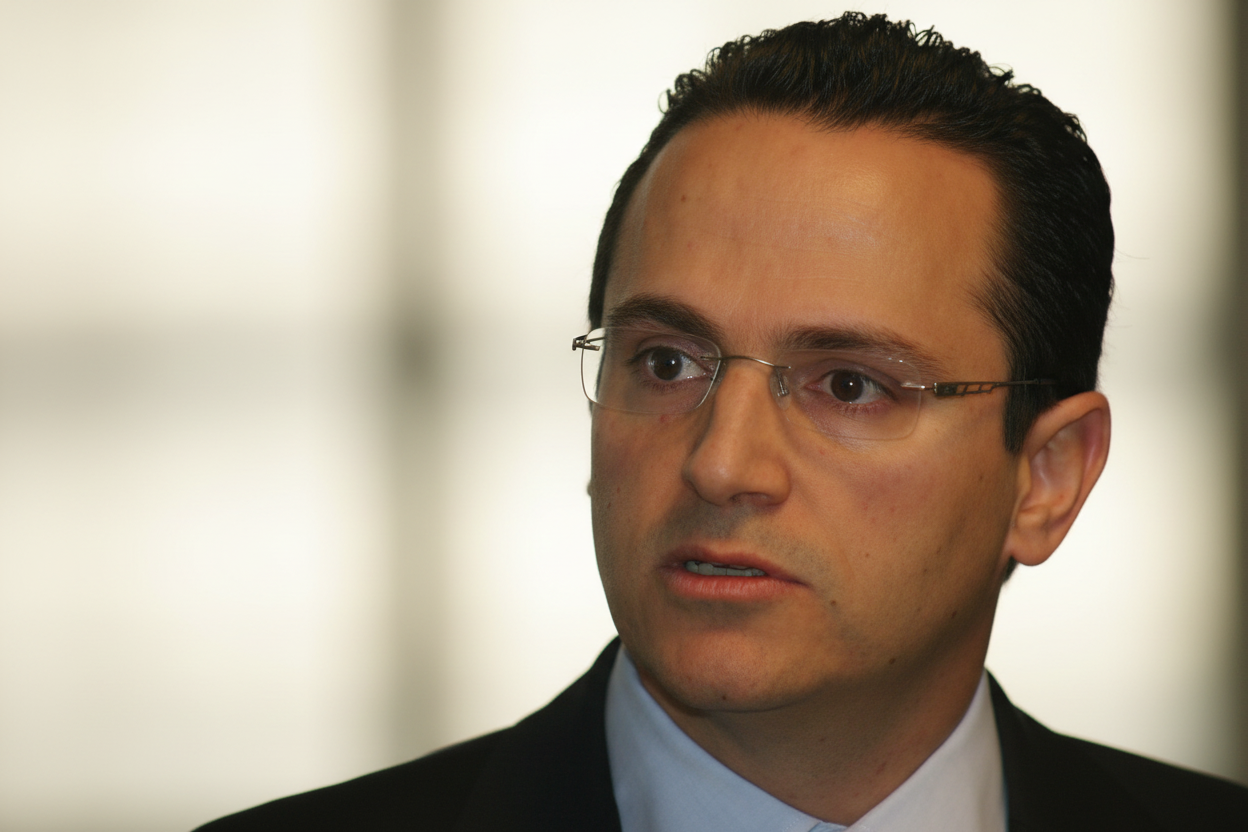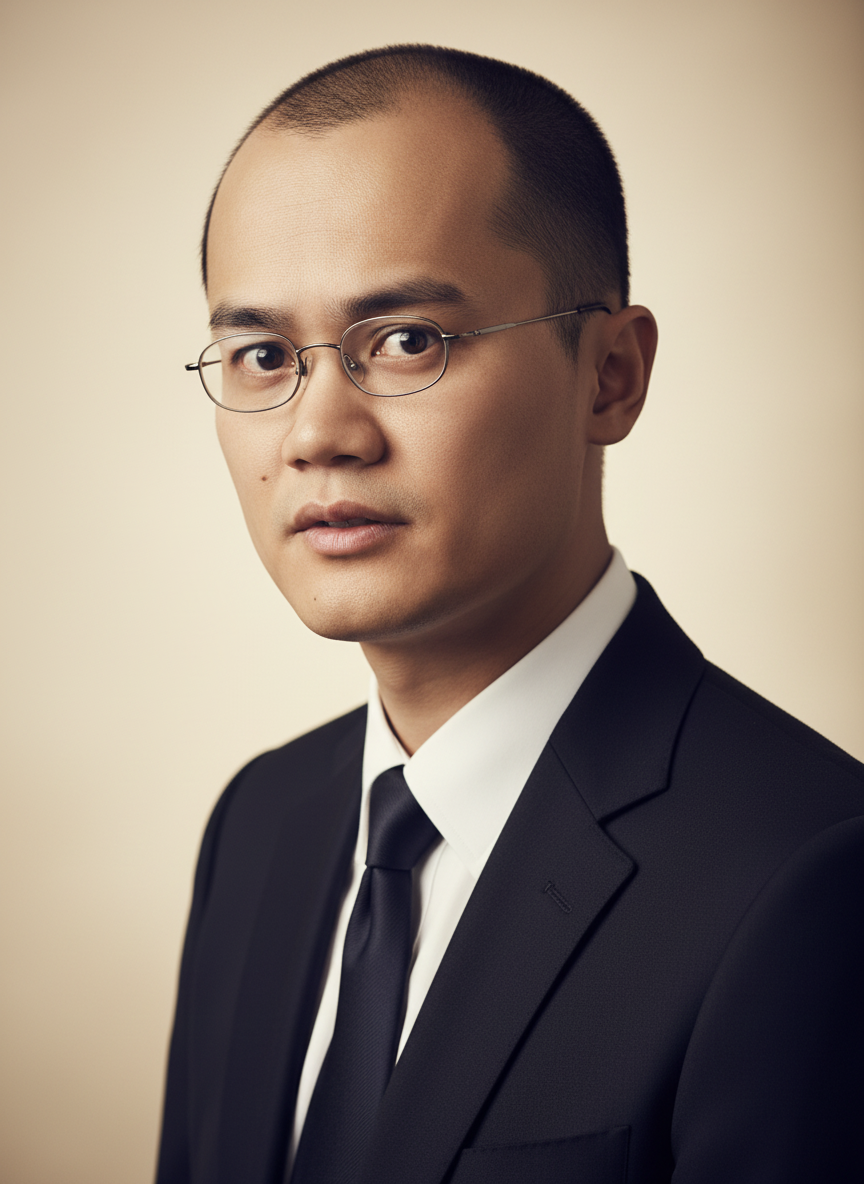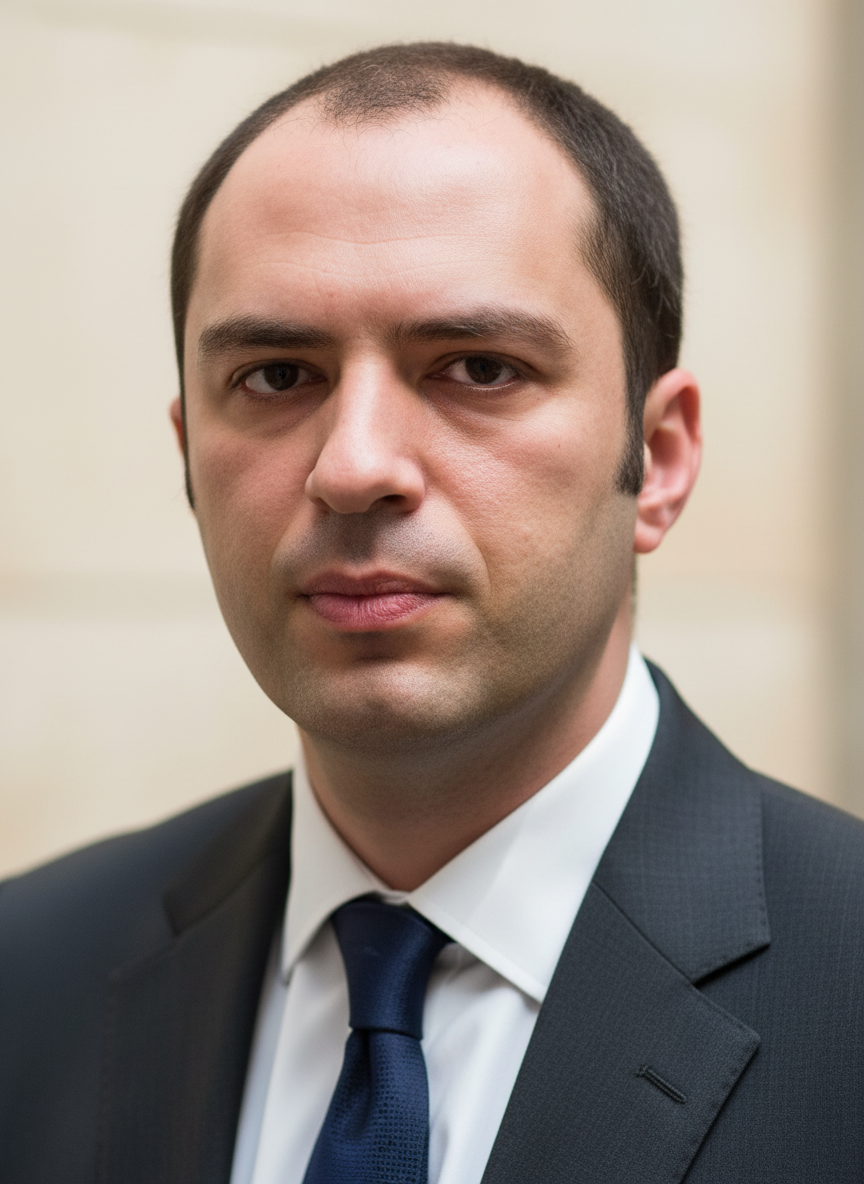
Jonathan Gray
The operational architect and real estate visionary driving Blackstone's diversified growth.
Jonathan Gray is the President and Chief Operating Officer of The Blackstone Group, a global alternative asset manager. Joining Blackstone in 1992, he ascended through its ranks, notably transforming the firm's real estate division into the world's largest. Gray became President and COO in 2018, overseeing the firm's day-to-day operations and strategic direction across all business segments, including private equity, real estate, credit, and hedge fund solutions.
Biography
Accomplishments
- 01Transformed Blackstone Real Estate into the world's largest private equity real estate platform, overseeing over $300 billion in assets under management (AUM) by 2018.
- 02Engineered and executed the highly successful acquisition and subsequent IPO of Hilton Worldwide, generating a reported $14 billion profit for investors, one of the most profitable private equity deals in history.
- 03Navigated the real estate portfolio through the 2008 financial crisis, strategically deploying capital to acquire distressed assets and positioning the firm for recovery and growth.
- 04Led the expansion of Blackstone's investment strategies into new areas such as life sciences real estate and data centers, anticipating long-term macro trends.
- 05Became President and COO in 2018, overseeing all of Blackstone's global businesses and driving significant AUM growth from $457 billion in 2018 to over $1 trillion by 2023.
- 06Spearheaded the firm's strategic focus on perpetual capital vehicles, diversifying its funding sources and providing long-term, stable capital for investments.
- 07Cultivated a strong team and institutionalized investment processes, ensuring scalability and consistent performance across diverse asset classes and geographies.
- 08Championed initiatives in technology and data analytics within Blackstone to enhance investment decision-making and operational efficiency.
Lessons for Operators
Key Takeaways
Practical lessons distilled for operators, investors, C-levels, and capital allocators.
Mastery of a Core Domain
Jonathan Gray's career illustrates that profound expertise in one area (real estate) can serve as a powerful launchpad for broader leadership. Operators and investors should strive for deep specialization before attempting widespread diversification.
Counter-Cyclical Investing
Blackstone's significant gains often stem from disciplined, counter-cyclical investments. Identifying and acquiring quality assets at compelling valuations during market downturns, rather than following the herd, yields outsized returns for long-term investors.
Operational Excellence as an Alpha Driver
For Gray, value creation extends beyond financial engineering. His approach emphasizes active ownership and operational improvements to enhance asset performance. This means investors and leaders must prioritize hands-on management and strategic interventions in their portfolios.
Strategic Diversification of Capital
Gray's leadership has driven Blackstone's expansion into perpetual capital and retail channels. This reduces dependence on finite fund cycles and provides more stable, long-duration capital, offering a blueprint for asset managers seeking resilient funding structures.
Proactive Trend Spotting and Capital Allocation
Anticipating and positioning for long-term macro trends (e.g., digital transformation, logistics growth) by strategically allocating capital ahead of competitors is a hallmark of Gray's approach. This requires continuous market analysis and a willingness to invest in emerging sectors.
Cultivating an Ownership Mentality
Gray's journey from analyst to President and COO within Blackstone underscores the power of nurturing internal talent and fostering an environment where individuals can grow and take on significant responsibility, aligning personal success with firm success.
The Power of Patient Capital and Long-Term Value Creation
Successful investments, particularly in real estate and private equity, often require a multi-year horizon to execute operational improvements, market cycles, and strategic exits. Rushing for short-term gains can compromise long-term value.
Institutionalizing Best Practices for Scalability
As Blackstone grew, Gray ensured investment processes and operational rigor scaled across new asset classes and geographies. Leaders should focus on codifying successful methodologies to maintain consistency and efficiency during rapid expansion.
Frameworks & Principles
Named frameworks and strategic principles they popularized or embodied.
The Blackstone Real Estate Investment Playbook
A proprietary framework developed and refined under Gray's leadership, focusing on identifying large-scale, often complex, real estate transactions, executing deep operational improvements, and exiting at optimal market timing. It emphasizes rigorous due diligence, proactive asset management, and a willingness to undertake significant capital expenditure for value enhancement.
When to useApplicable for institutional investors, fund managers, and developers seeking to acquire, enhance, and divest large-scale real estate portfolios; requires substantial capital, operational expertise, and a long-term investment horizon.
Opportunistic Distressed Asset Acquisition Strategy
This framework involves actively seeking out and acquiring high-quality assets during periods of market distress or economic downturns. The strategy relies on superior capital access, rigorous valuation models to identify intrinsic value, and the operational capability to stabilize and improve acquired assets as markets recover.
When to useIdeal for capital allocators and private equity firms with ample liquidity and a strong analytical team, particularly during recessions or sector-specific downturns, to achieve outsized returns by buying low and selling high.
Secular Growth Trend Capital Allocation
A strategic approach focused on identifying powerful, long-term macroeconomic and societal trends (e.g., e-commerce, demographic shifts, digital transformation) and proactively allocating significant capital to sectors and assets positioned to benefit from these trends, often before they are fully priced into the market.
When to useRelevant for investors, corporate strategists, and venture capitalists looking to make forward-looking investment decisions; requires deep research into megatrends, patience, and a willingness to invest in disruptive or emerging asset classes.
Perpetual Capital Vehicle Development
A strategic shift towards raising and deploying capital through long-duration or perpetual investment vehicles, such as REITs or open-ended funds, which provide stable, continuous capital for investments, reducing the reliance on traditional finite-life private equity funds and enabling longer holding periods.
When to useApplicable for asset managers and institutional investors aiming to create more resilient funding structures, expand their investor base (e.g., to retail investors), and enable longer-term strategic investments free from typical fund-life constraints.
Recent Appearances
Latest interviews, keynotes, and press from the past half year.
 youtube.com
 youtube.com
 youtube.com
 youtube.com
 youtube.com
 youtube.com
 youtube.com
 youtube.com
 youtube.com
 youtube.com
 youtube.com
 youtube.com
 youtube.com
 youtube.com
 youtube.com
 youtube.com
Explore Related Titans
Other figures in the archive who share Jonathan Gray's domain, geography, or era.
More in Finance & Investing





From United States





Contemporaries — born 1970s