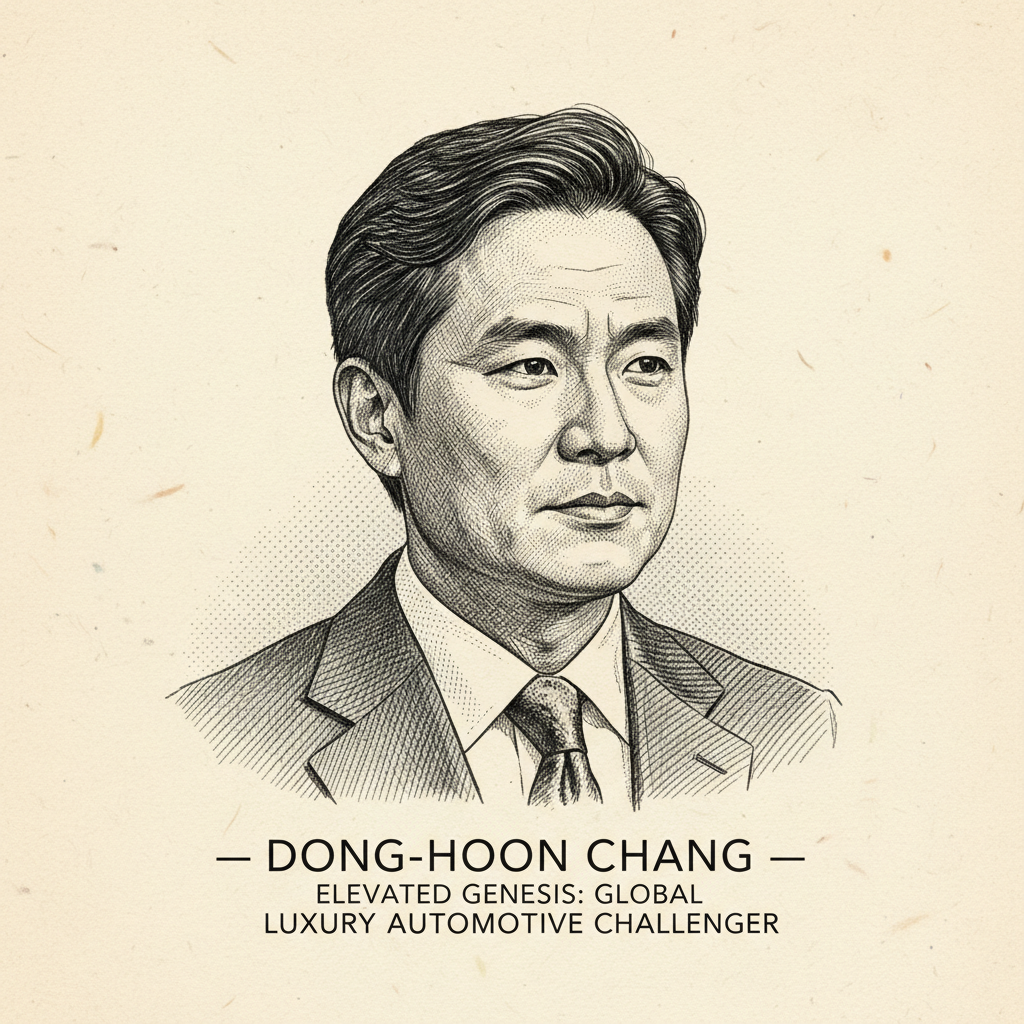
Dong-hoon Chang
Architect of Automotive Identity: Dong-hoon Chang's leadership in design has been instrumental in establishing the distinct visual language and market position of Hyundai and Genesis.
Dong-hoon Chang is a pivotal figure in the design evolution of Hyundai Motor Group. As the Executive Vice President and Head of Genesis Brand Design, he has been responsible for shaping the aesthetic and brand identity of Hyundai's luxury marque, Genesis. His career within Hyundai Motor Group spans several critical design leadership roles, contributing significantly to the global competitiveness and desirability of both Hyundai and Genesis vehicles.
Biography
Accomplishments
- 01Led the establishment and consistent application of the 'Athletic Elegance' design philosophy for the Genesis brand, crucial for its market differentiation since its standalone launch in 2015.
- 02Oversaw the design development and execution of key Genesis models including the G70, G80, G90, GV70, and GV80, which have received critical acclaim and industry awards for design innovation.
- 03Played a significant role in elevating Hyundai's overall design perception during his tenure as Head of Hyundai Design Strategy, contributing to the brand's improved global competitiveness.
- 04Successfully managed complex global design teams and processes to ensure cohesive brand identity across diverse product lines and international markets.
- 05Instrumental in shifting Genesis from an aspiration to a tangible luxury brand by delivering a compelling visual identity that challenges established premium automotive players.
Lessons for Operators
Key Takeaways
Practical lessons distilled for operators, investors, C-levels, and capital allocators.
Design as a Competitive Weapon
For new entrants or brands aiming to move upmarket, distinctive design is not just an aesthetic choice but a critical competitive weapon that fosters brand recognition and desirability.
Consistency Drives Brand Equity
A consistent design philosophy applied across an entire product lineup reinforces brand identity and builds equity, making the brand instantly recognizable and trustworthy to consumers.
Strategic Design Leadership
Placing design leaders in executive roles ensures that design is integrated into overall business strategy from conception, rather than being an afterthought, leading to more impactful product development.
Evolve, Don't Replicate
To successfully challenge established players, focus on developing a unique brand identity and design language rather than imitating market leaders. This allows for authentic market positioning.
Frameworks & Principles
Named frameworks and strategic principles they popularized or embodied.
Design-Led Brand Differentiation
This framework emphasizes leveraging distinctive and consistent design as the primary means to differentiate a brand in a crowded market. It involves defining a core aesthetic philosophy and rigorously applying it across all product lines and touchpoints.
When to useApplicable when a company seeks to launch a new brand, enter a premium segment, or revitalize an existing brand by making design its signature competitive advantage, as Genesis did with 'Athletic Elegance'.
Holistic Product Portfolio Design
Focuses on ensuring that all products within a brand's portfolio adhere to a unified design language and ethos, creating a cohesive and recognizable family look. This builds instant brand recognition and reinforces values.
When to useIdeal for companies with multiple product offerings aiming to strengthen brand identity and customer loyalty. It prevents design fragmentation and ensures that each new product launch reinforces the overall brand message.
Recent Appearances
Latest interviews, keynotes, and press from the past half year.
 youtube.com
 youtube.com
 youtube.com
 youtube.com
 youtube.com
 youtube.com
 youtube.com
 youtube.com
Explore Related Titans
Other figures in the archive who share Dong-hoon Chang's domain, geography, or era.
More in Transportation & Logistics







From South Korea