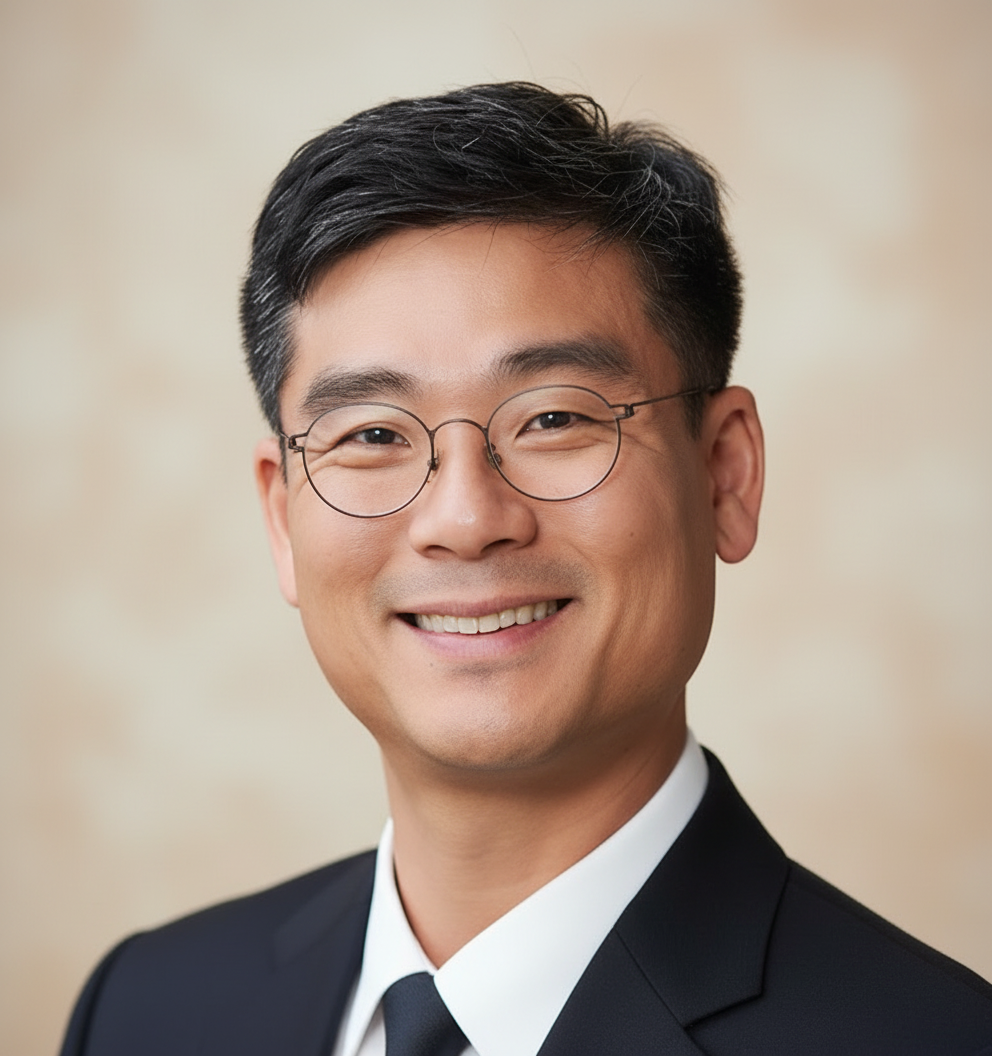
Kihun Kim
Kihun Kim: A driving force in semiconductor memory innovation and strategic growth at Samsung Electronics.
Kihun Kim is a distinguished South Korean executive and technologist, primarily known for his instrumental contributions to Samsung Electronics' dominance in the global semiconductor memory market. His career, spanning decades, is marked by significant leadership roles in R&D, manufacturing, and strategic planning, particularly within the NAND flash and DRAM sectors.
Biography
Accomplishments
- 01Led the development and commercialization of multiple generations of NAND flash memory and DRAM at Samsung's Memory R&D Center, foundational for mobile and data center growth.
- 02Orchestrated significant improvements in semiconductor manufacturing efficiency and yield as President of the Manufacturing Technology Center, directly impacting Samsung's cost structure and market share.
- 03Played a key strategic role in solidifying Samsung's global leadership in memory semiconductors, navigating competitive cycles and technological transitions.
- 04Contributed to the establishment of advanced semiconductor fabrication processes that enabled mass production of cutting-edge memory devices.
- 05Mentored and developed numerous engineering and executive talents, fostering a culture of innovation within Samsung's semiconductor division.
- 06Advocated for substantial R&D investments that kept Samsung at the forefront of memory technology innovation during his leadership roles.
Lessons for Operators
Key Takeaways
Practical lessons distilled for operators, investors, C-levels, and capital allocators.
Innovation-Driven Leadership
K.H. Kim's career exemplifies leadership where deep technical understanding fuels strategic decisions and aggressive R&D investment. This leads to first-mover advantage and market dominance. Operators should ensure their R&D outspends peers and is strategically aligned with future market needs.
Manufacturing Mastery as a Competitive Edge
Kim demonstrated that superior manufacturing technology and operational efficiency are not just cost-saving measures but fundamental competitive advantages. C-levels and enterprise leaders must invest in advanced manufacturing processes and maintain relentless focus on yield and cost optimization.
Strategic Patience and Long-Term Vision
The semiconductor industry is capital-intensive and cyclical. Kim's impact reflects a long-term approach to investment and development, enduring short-term market fluctuations to secure future market share. Investors should evaluate companies on their multi-year strategic roadmaps and commitment to R&D, not just quarterly results.
Talent as the Core Asset
Kim's emphasis on nurturing engineering talent and technical leadership underscores that human capital is the ultimate differentiator in complex technology sectors. Fund managers should assess a company's leadership pipeline and its ability to attract and retain top-tier technical professionals.
Vertical Integration Leverage
Samsung's success, in part due to leaders like Kim, highlights how integrated R&D, design, and manufacturing can create synergies that external firms struggle to match. Capital allocators should value companies with robust, vertically integrated operations in core technology areas.
Frameworks & Principles
Named frameworks and strategic principles they popularized or embodied.
Market Share Through Technology Leadership
A strategic framework emphasizing that sustained investment in leading-edge technology development, coupled with efficient manufacturing, is the primary driver for achieving and maintaining dominant market share. This includes aggressive R&D, rapid adoption of new process nodes, and continuous product innovation.
When to useApplicable in highly competitive, technology-intensive industries where product differentiation and cost leadership are contingent on superior technological capabilities. Useful for executives defining R&D budgets and product roadmaps.
Operational Excellence as a Strategic Weapon
This framework posits that optimizing manufacturing processes, reducing defects (yield improvement), and controlling costs are not just about efficiency, but are strategic pillars that enable competitive pricing, higher margins, and faster time-to-market. It emphasizes continuous improvement and process innovation.
When to useEssential for manufacturing-intensive businesses, particularly in semiconductors, automotive, or complex electronics. C-levels and operations leaders can use this to prioritize investments in automation, quality control, and supply chain optimization.
Strategic Technology Roadmapping
A framework for anticipating future technological trends and market demands to create a long-term plan for product development, R&D investment, and manufacturing capabilities. It involves looking several generations ahead to ensure sustained innovation and competitive positioning.
When to useCritical for industries with long product development cycles and rapid technological change, such as semiconductors, pharmaceuticals, and aerospace. Investors can use this to evaluate a company's future growth potential and competitive resilience.
Explore Related Titans
Other figures in the archive who share Kihun Kim's domain, geography, or era.
More in Technology







From South Korea

Contemporaries — born 1960s