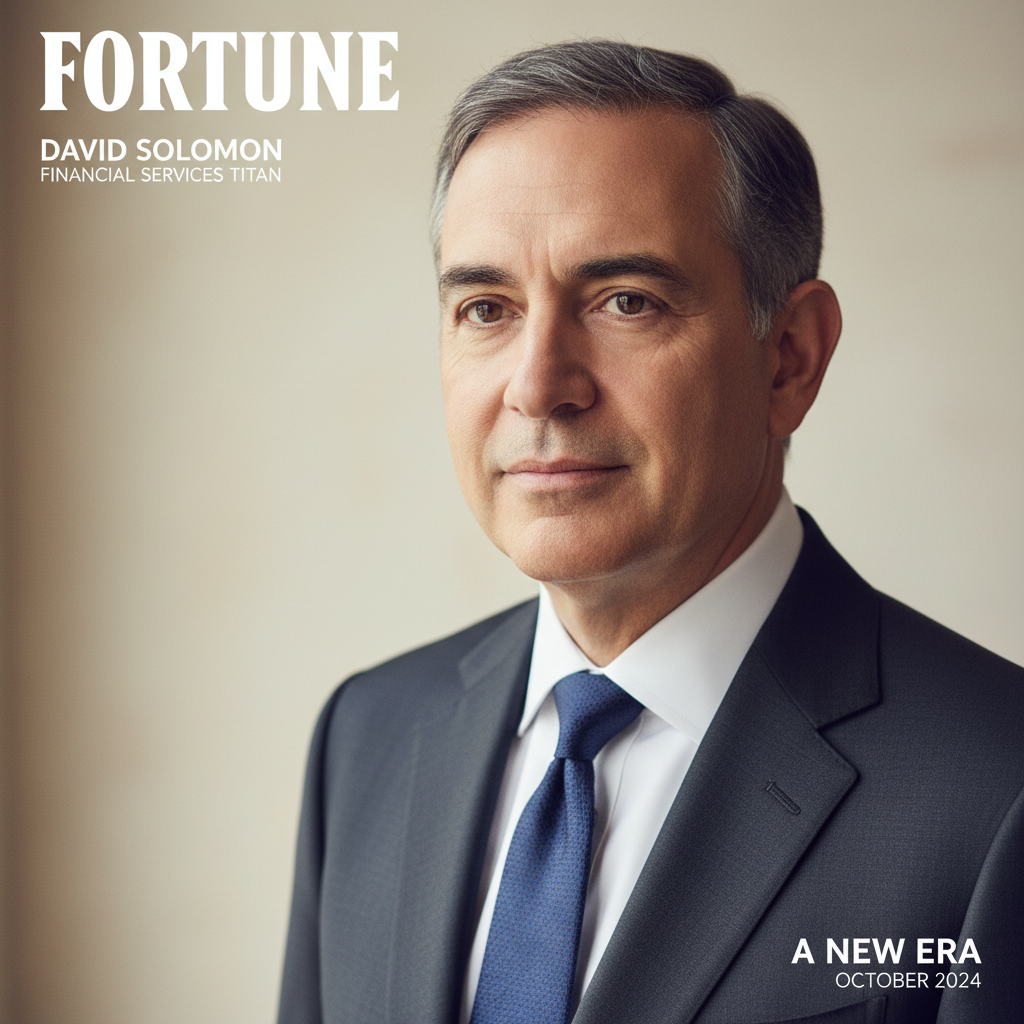
David Solomon
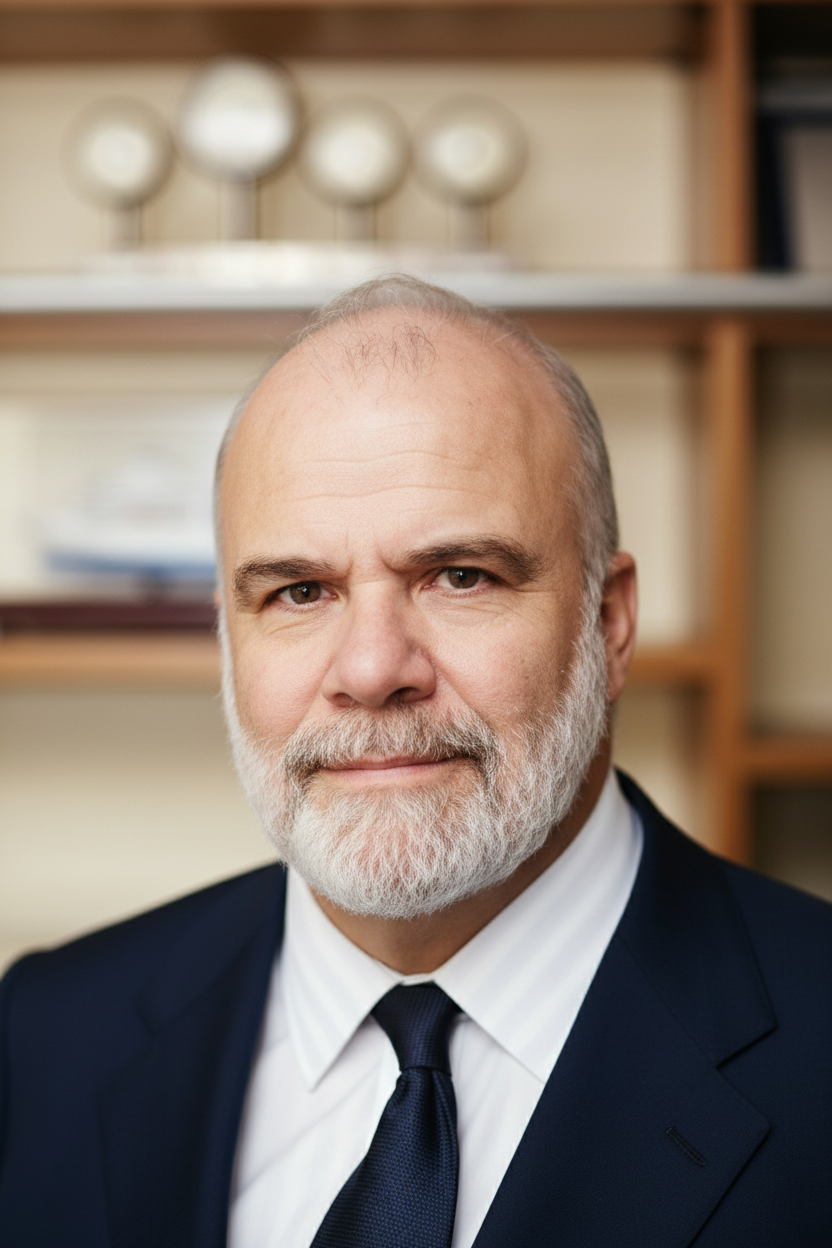
David Solomon: The DJ-Turned-Banker Steering Goldman Sachs Through a Transformative Era.
David Solomon is the Chairman and Chief Executive Officer of Goldman Sachs, a role he assumed in October 2018. Prior to this, he served as President and Chief Operating Officer, and co-head of the Investment Banking Division. His career at Goldman Sachs, which began in 1999, has been marked by a focus on technology, diversification, and a challenging period of strategic repositioning for the venerable institution.
Biography
Accomplishments
- 01Spearheaded the firm's strategic shift to diversify revenue streams, notably through the expansion into consumer banking with Marcus by Goldman Sachs, aiming to reduce reliance on volatile trading and investment banking revenues (launched 2016, significantly expanded under his leadership post-2018).
- 02Initiated and oversaw the integration of various asset management units, including the acquisition of NN Investment Partners in 2021 for approximately $2 billion, bolstering Goldman Sachs Asset Management's capabilities and AUM.
- 03Led the implementation of a firm-wide digital transformation, emphasizing cloud adoption and data analytics to enhance operational efficiency and client service, particularly evident in the development of transaction banking offerings.
- 04Successfully navigated Goldman Sachs through periods of significant market volatility, including the COVID-19 pandemic, maintaining strong financial performance and adapting the firm's operating model.
- 05Chaired the Partnership Committee and served on the Management Committee, driving key talent and strategic decisions within the firm well before becoming CEO.
- 06Oversaw a focus on environmental, social, and governance (ESG) initiatives, with commitments to sustainable finance and increased transparency in reporting.
Lessons for Operators
Key Takeaways
Practical lessons distilled for operators, investors, C-levels, and capital allocators.
Strategic Agility (Financial Services)
Large financial institutions, even those with deep historical roots, must pivot and adapt their business models. Solomon's tenure at Goldman Sachs exemplified attempts to diversify revenue away from traditional, cyclical streams like trading and M&A into more stable ones like consumer banking and asset management, though with mixed results highlighting the difficulty of such shifts. Operators should constantly assess market dynamics and be prepared to reallocate capital and talent to nascent opportunities or prune underperforming ventures.
Technology as a Differentiator (Enterprise)
Solomon's initiatives to modernize Goldman Sachs' technology infrastructure, including cloud adoption and digital platforms for transaction banking, illustrate that technology is no longer just back-office support but a core competitive advantage. Enterprise leaders must champion robust digital transformation strategies to enhance efficiency, client experience, and create new product offerings.
Balancing Growth and Risk (Capital Allocators)
The strategic push into consumer lending via Marcus, followed by its re-evaluation and consolidation, provides a case study in the challenges of growth through unfamiliar business lines. Capital allocators must scrutinize management's ability to execute new strategies, ensuring that diversification efforts are backed by appropriate expertise, risk management, and realistic return expectations. Not all growth is good growth.
Culture and Leadership in Transformation (C-Levels)
Solomon's leadership style and public persona showcased an effort to modernize Goldman Sachs' internal culture, often perceived as rigid. C-levels should recognize that strategic transformation requires parallel cultural shifts, fostering innovation, transparency, and adaptability within the organization to effectively implement new initiatives.
Frameworks & Principles
Named frameworks and strategic principles they popularized or embodied.
Portfolio Management Strategy (PMS)
Solomon's diversification efforts within Goldman Sachs, such as the push into consumer banking (Marcus), represent a PMS approach. This involves strategically adding or subtracting different business lines or asset classes to achieve optimal risk-adjusted returns for the overall firm. The subsequent recalibration of Marcus illustrates that PMS requires rigorous performance monitoring and willingness to divest/reallocate.
When to useWhen an organization, particularly a financial institution or conglomerate, is evaluating how to allocate capital across different business units, product lines, or investment strategies to optimize overall firm performance, diversify risk, and respond to market shifts. Operators can use this to assess which business lines to grow, maintain, or divest.
Digital Transformation Roadmap (DTR)
Solomon's emphasis on technological modernization, including cloud infrastructure and digital platforms for transaction banking, aligns with a DTR. This framework outlines the step-by-step process for integrating digital technology into all areas of a business, fundamentally changing how it operates and delivers value. It involves technology adoption, process re-engineering, and cultural adaptation.
When to useWhen an enterprise needs to fundamentally change its operations, customer interactions, or business model through the adoption of new digital technologies. Enterprise leaders should employ a DTR to ensure technology investments are aligned with strategic objectives, improve operational efficiency, and create new revenue streams or competitive advantages.
Organizational Ambidexterity Framework (OAF)
Goldman Sachs under Solomon sought to maintain its established excellence in investment banking and trading ('exploitation') while simultaneously building new growth engines like consumer banking and transaction banking ('exploration'). The OAF describes an organization's ability to pursue both incremental and discontinuous innovation to achieve long-term success.
When to useWhen an organization needs to balance its current operations and profitability with the need to explore new markets, technologies, or business models. C-levels and fund managers can use OAF to assess whether a company is effectively managing its core business while also investing in future growth opportunities, avoiding complacency or premature abandonment of successful ventures.
Explore Related Titans
Other figures in the archive who share David Solomon's domain, geography, or era.
More in Finance & Investing




From United States





Contemporaries — born 1960s