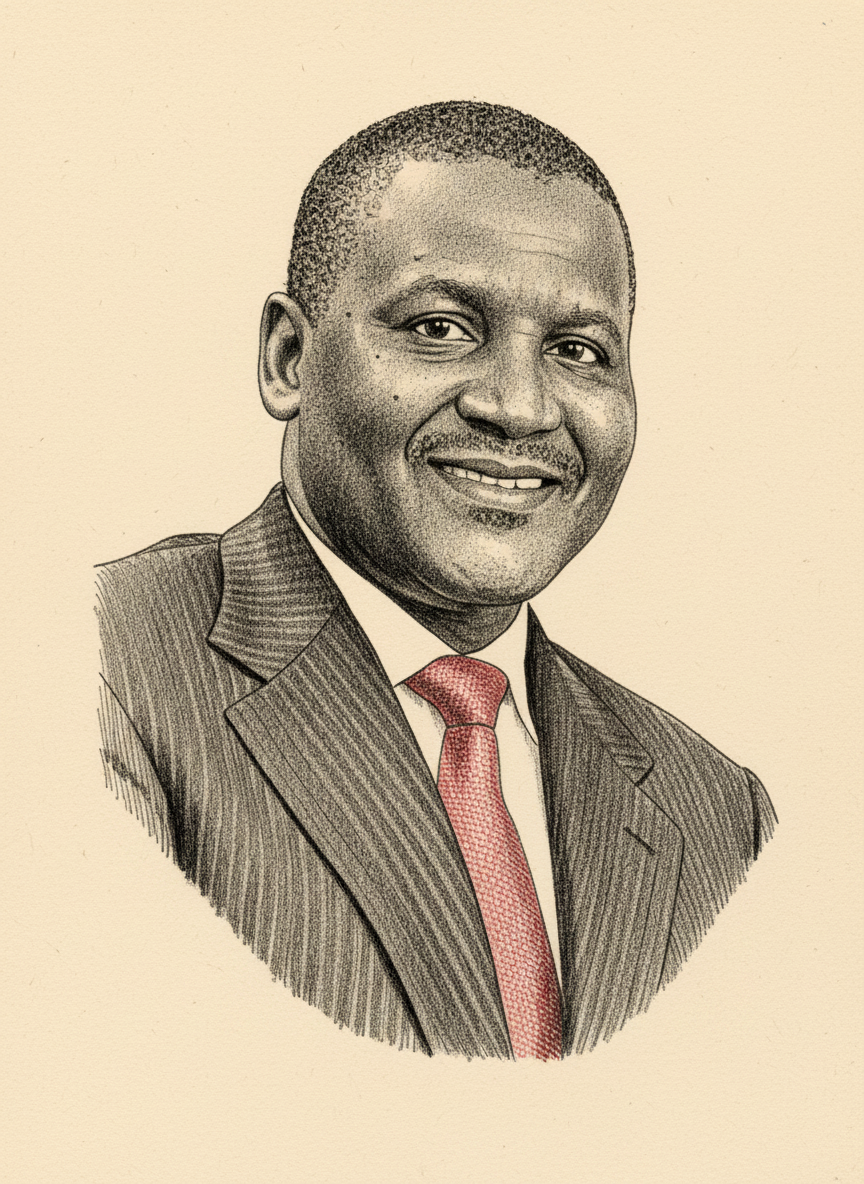
Daniel Schulman
A transformational leader known for scaling digital payments and championing financial inclusion.
Daniel Schulman is an American business executive recognized for his leadership roles at major technology and financial services companies. Most notably, he served as President and CEO of PayPal from 2014 to 2023, where he significantly expanded the company's user base and diversified its service offerings, with a strong focus on financial inclusion and digital wallet innovation.
Biography
Accomplishments
- 01Led PayPal's successful separation from eBay in 2015, establishing it as an independent publicly traded company.
- 02Grew PayPal's active accounts from 164 million to over 400 million and annual revenue from $8 billion to $27.5 billion during his CEO tenure (2014-2022).
- 03Orchestrated key strategic acquisitions including Xoom, iZettle, and Honey, significantly expanding PayPal's global reach and product capabilities in e-commerce and point-of-sale.
- 04Pioneered PayPal's focus on financial inclusion, developing products and initiatives like PayPal's debit cards, direct deposit, and employee financial wellness programs.
- 05Navigated Virgin Mobile USA from startup to a successful IPO and subsequent acquisition, demonstrating acumen in building and scaling new ventures.
- 06Championed digital transformation at American Express, leading the development of innovative prepaid and mobile payment solutions.
Lessons for Operators
Key Takeaways
Practical lessons distilled for operators, investors, C-levels, and capital allocators.
Strategic Decoupling for Growth
Schulman's leadership in separating PayPal from eBay demonstrated the power of strategic focus. For businesses within larger conglomerates, assessing whether independent operation unlocks greater market value and agility is crucial. This move allowed PayPal to aggressively pursue its own FinTech agenda without the constraints or conflicting priorities of its former parent.
Ecosystem-Driven M&A
His approach to acquisitions was less about consolidating market share and more about expanding PayPal's ecosystem and value chain. Leaders should evaluate potential M&A targets based on how they complement existing services, open new customer segments (e.g., small businesses with iZettle), or enhance user engagement (e.g., Honey for shopping rewards), rather than just revenue multiples.
Financial Inclusion as a Market Differentiator
Schulman demonstrated that addressing underserved populations with accessible financial tools can be both a social good and a significant business opportunity. Operators should explore how their products or services can bridge gaps in accessibility or affordability, potentially unlocking new, loyal customer bases and reinforcing brand purpose.
The Evolving Role of the Digital Wallet
Under Schulman, PayPal evolved from a simple payment processor to a comprehensive digital wallet offering direct deposit, bill pay, crypto services, and shopping tools. This highlights the importance for financial services firms to continually expand the utility and stickiness of their core offerings, aspiring to become a primary financial hub for users.
Employee Financial Wellness as a Business Imperative
The PayPal Employee Financial Wellness Program underscored Schulman's belief in supporting his workforce's economic health. Enterprise leaders should consider that a financially secure workforce is more productive and engaged, viewing employee financial wellness programs not just as HR initiatives but as strategic investments in human capital that can yield tangible business benefits.
Frameworks & Principles
Named frameworks and strategic principles they popularized or embodied.
Ecosystem Expansion Strategy
Focuses on growing a business by adding adjacent products, services, or partnerships that create a more comprehensive value proposition for the customer, rather than solely focusing on core product improvements. This often involves strategic acquisitions or integrations.
When to useWhen a core product has reached maturity and growth requires moving into adjacent markets, expanding customer touchpoints, or integrating complementary functionalities to increase user 'stickiness' and lifetime value, as seen with PayPal's acquisition of Honey for shopping tools or iZettle for POS solutions.
Financial Inclusion Product Design
Designing financial products and services specifically to meet the needs of underserved populations, such as those without traditional banking access or with irregular income. This involves features like low fees, easy access, financial literacy tools, and transparent terms.
When to useWhen targeting new market segments, fulfilling a corporate social responsibility mandate, or addressing regulatory pressures related to access to financial services. It requires understanding specific pain points of underserved communities to develop truly impactful solutions, exemplified by PayPal's direct deposit and debit card offerings.
Digital Wallet as an Operating System
Treating a digital wallet not merely as a payment instrument but as a central operating system for a user's financial life, integrating payments, banking, lending, shopping, rewards, and potentially identity management into a single, seamless platform.
When to useFor companies aiming to become a primary financial partner for consumers, shifting from transactional relationships to deep engagement. This framework is applicable when competitors are siloed, and there's an opportunity to provide a consolidated, intuitive user experience across multiple financial needs.
Recent Appearances
Latest interviews, keynotes, and press from the past half year.
 youtube.com
 youtube.com
 youtube.com
 youtube.com
 m.youtube.com
 youtube.com
 youtube.com
 youtube.com
 youtube.com
 youtube.com
Explore Related Titans
Other figures in the archive who share Daniel Schulman's domain, geography, or era.
More in Technology






From United States




Contemporaries — born 1950s