Craig Jelinek
Craig Jelinek: Architect of consistent growth and member-centric value at scale.
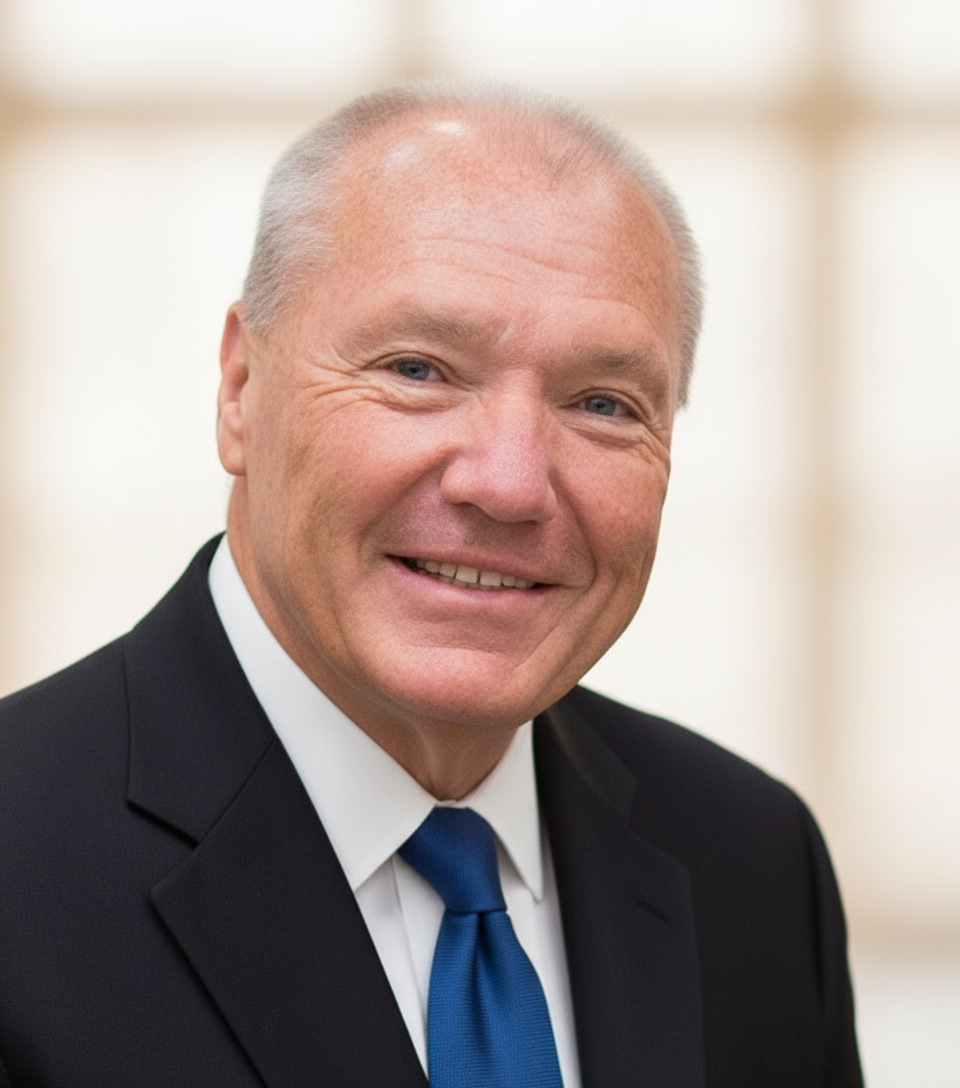
Craig Jelinek is an American business executive who has served as the Chief Executive Officer of Costco Wholesale Corporation since January 1, 2012. He joined Costco (then Price Club) in 1984 and rose through the ranks, demonstrating a deep understanding of the wholesale club model.
Biography
Accomplishments
- 01Successfully governed Costco's operations for over a decade as CEO, maintaining its competitive advantage in the wholesale club segment since January 1, 2012.
- 02Oversaw significant global expansion, increasing Costco's footprint in international markets such as China (e.g., Shanghai opening 2019) and other Asian and European countries, diversifying revenue streams.
- 03Maintained and enhanced Costco's strong membership renewal rates, consistently above 90% in North America, reflecting sustained member value under his leadership.
- 04Championed Costco's private label, Kirkland Signature, which achieved sales exceeding $58 billion in 2021, underscoring its pivotal role in member loyalty and profitability.
- 05Navigated the retail landscape through various economic cycles and the COVID-19 pandemic, demonstrating supply chain resilience and operational adaptability to meet heightened demand.
- 06Sustained Costco's distinctive employee-centric compensation and benefits package, contributing to low employee turnover and a high-performing workforce, differentiating it from many retail competitors.
Lessons for Operators
Key Takeaways
Practical lessons distilled for operators, investors, C-levels, and capital allocators.
Membership-Driven Economics
Costco's enduring model under Jelinek proves that a high-value membership fee creates a powerful, predictable revenue stream that also fosters deep customer loyalty. Operators should evaluate subscription or membership-based models to create recurring revenue and customer stickiness.
Operational Acumen from the Ground Up
Jelinek's career progression from warehouse operations to CEO highlights the strategic advantage of leaders with deep, on-the-ground experience. Investors should favor companies led by executives who understand the granular operational realities of their business.
The Power of Private Label
Kirkland Signature's success under Jelinek illustrates how a high-quality private label brand can become a significant competitive moat, driving differentiation, margin control, and customer trust. C-levels should investigate opportunities to develop robust in-house brands.
Stakeholder, Not Just Shareholder, Value
Costco's sustained emphasis on employee welfare and member satisfaction, rather than solely quarterly earnings, demonstrates that a broader stakeholder approach can lead to more resilient and long-term profitable enterprises. Fund managers should assess leadership's commitment to all stakeholders.
Strategic Patience in Global Expansion
Jelinek's leadership in Costco's international growth showcases a patient, adaptive approach to market entry. Enterprise leaders scaling globally should prioritize thorough market understanding and local adaptation over rapid, undifferentiated expansion.
The Imperative of Cost Control
In a low-margin business, Jelinek's continuous focus on operational efficiency and tight cost management is paramount. Capital allocators should scrutinize a company's ability to extract maximum value from its operational expenditures to sustain competitive pricing and profitability.
Frameworks & Principles
Named frameworks and strategic principles they popularized or embodied.
Costco's 'No Frills' Value Proposition
This framework emphasizes lean operations, limited product assortment, bulk purchasing, and a membership model to deliver maximum value at aggressive price points. It reduces complexity and overheads while fostering customer loyalty through perceived savings.
When to useApplicable for businesses seeking to compete on price and value by streamlining operations, reducing inventory complexity, and leveraging a membership or subscription model for predictable revenue. Relevant in retail, wholesale, and service industries where efficiency gains can be directly passed to customers.
Kirkland Signature Private Label Strategy
A strategy focused on developing and promoting high-quality, high-value private label brands that compete directly with national brands, often offering superior value. This builds brand loyalty, enhances margins, and provides greater control over the supply chain and product quality.
When to useSuitable for retailers or distributors with significant customer volume who wish to strengthen their brand identity, improve gross margins, and differentiate their offering amidst competitive national brands. Requires robust quality control and supply chain management capabilities.
Stakeholder Capitalism (Costco Model)
This framework posits that long-term business success is achieved by balancing the interests of all stakeholders—members, employees, suppliers, and shareholders—rather than solely maximizing shareholder value in the short term. It drives higher employee retention, customer loyalty, and ultimately, sustainable profitability.
When to useIdeal for leaders aiming to build resilient, enduring organizations. Applicable across industries, particularly where talent retention, customer trust, and robust supply chain relationships are critical competitive advantages. Requires a long-term strategic outlook and willingness to invest in non-shareholder stakeholders.
Sources & Further Reading
Profiles, interviews, podcasts, and articles used to compile and verify this entry. Each link opens at the original publisher.
Explore Related Titans
Other figures in the archive who share Craig Jelinek's domain, geography, or era.
More in Technology




From United States


Contemporaries — born 1950s