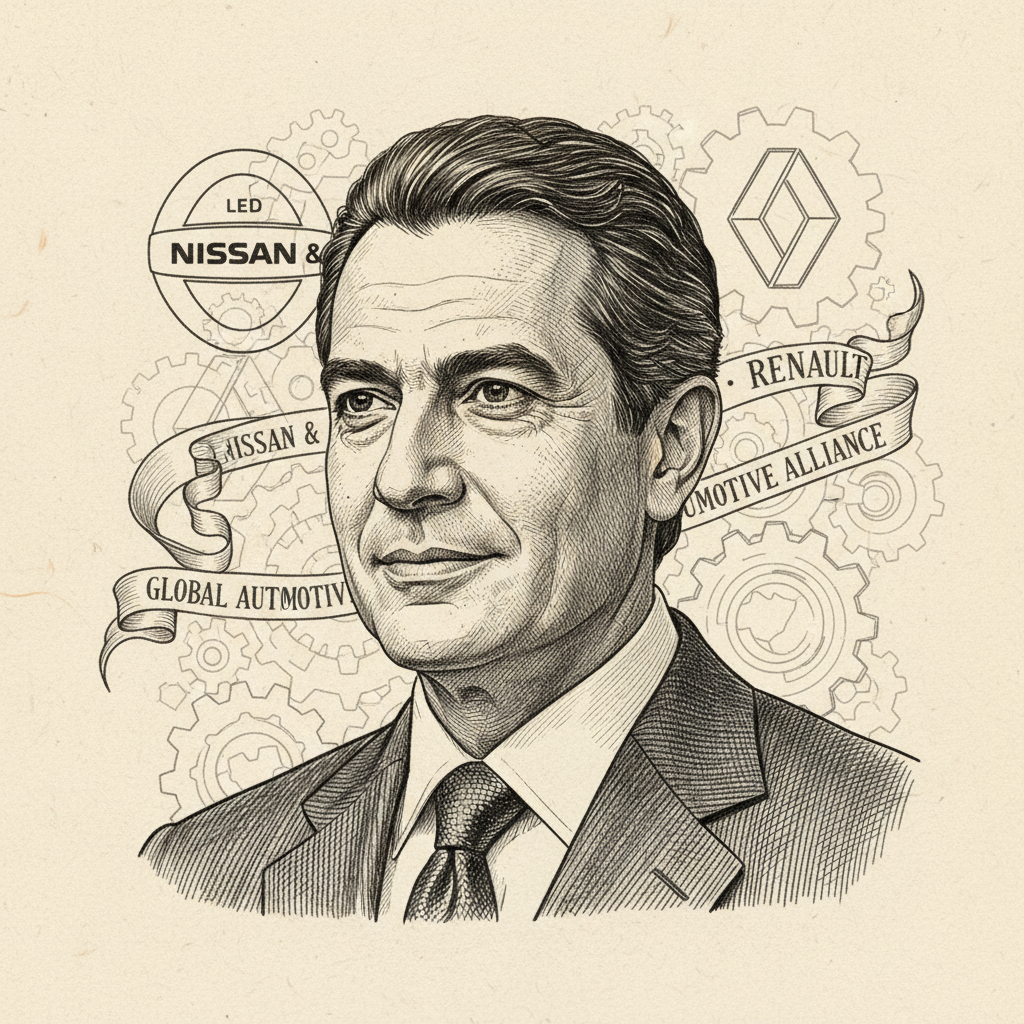
Carlos Ghosn
The architect of the Renault-Nissan-Mitsubishi Alliance and a controversial figure in global automotive leadership.
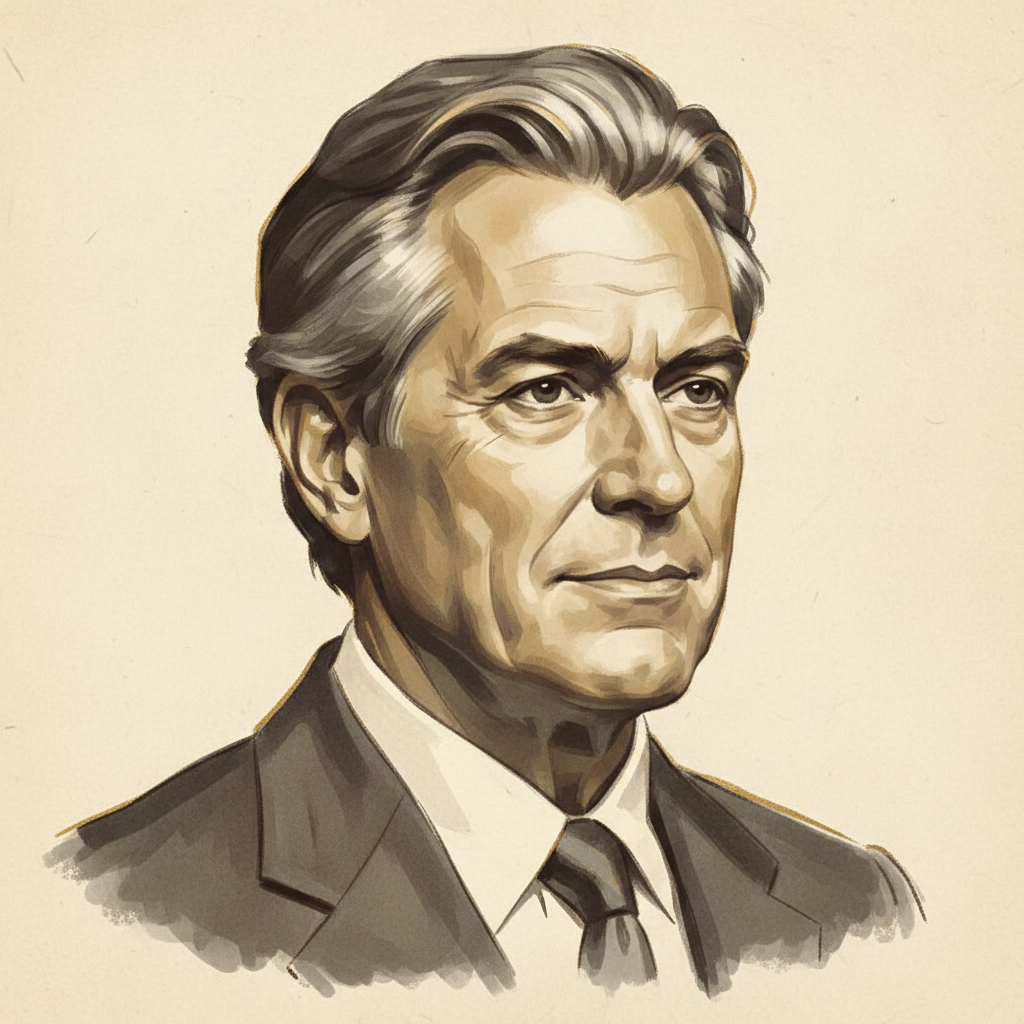
Carlos Ghosn is a Brazilian-Lebanese-French businessman who served as the CEO of Michelin North America, chairman and CEO of Renault, chairman and CEO of Nissan, and chairman of Mitsubishi Motors. He orchestrated the Renault-Nissan Alliance, and later the Renault-Nissan-Mitsubishi Alliance, creating one of the world's largest automotive groups. His career ended amid an international legal controversy.
Biography
Accomplishments
- 01Orchestrated the 'Nissan Revival Plan' (1999-2002), bringing Nissan from near-bankruptcy to profitability within three years by cutting 20,000 jobs, closing five factories, and reducing purchasing costs.
- 02Led the consolidation and expansion of the Renault-Nissan Alliance, which grew to include Mitsubishi Motors in 2016, becoming one of the largest automotive groups globally by vehicle sales.
- 03Successfully managed the simultaneous CEO roles of both Renault (2005-2018) and Nissan (2001-2017), demonstrating exceptional cross-cultural and multi-corporate leadership.
- 04Implemented significant platform sharing and component commonality across the Renault-Nissan Alliance, driving economies of scale and reducing development costs for models like the Nissan CMF platform.
- 05Pioneered early mass-market electric vehicle development through initiatives like the Nissan Leaf (launched 2010) and Renault ZOE, committing substantial resources to EV technology ahead of many competitors.
- 06Restructured and revitalized Michelin North America in the early 1990s, preparing him for future larger-scale corporate turnarounds.
Lessons for Operators
Key Takeaways
Practical lessons distilled for operators, investors, C-levels, and capital allocators.
Turnaround Acumen
Ghosn's success at Nissan demonstrated that a clear, aggressive, time-bound recovery plan, executed with unwavering resolve, can resurrect even deeply troubled organizations. This involved radical cuts and a focus on core profitability.
Alliance Management
The Renault-Nissan-Mitsubishi Alliance showcased how non-merger alliances with cross-shareholdings can create value by leveraging scale, sharing technology (e.g., platforms, powertrains), and optimizing geographical footprints without full integration.
Dual Leadership Challenges
While successful for a period, managing two globally significant automotive companies simultaneously introduced complex governance challenges and potential conflicts of interest, eventually contributing to his downfall and the weakening of the alliance's structure.
Governance and Compliance
The legal issues surrounding Ghosn underscore that even highly successful leaders are subject to corporate governance and ethical standards. Boards and investors must ensure robust oversight to mitigate reputational and operational risks associated with executive misconduct.
Brand Resuscitation
His ability to revitalize the Nissan brand, turning it from an emblem of stagnation into an innovator in EVs and global markets, shows the power of strategic product development and market positioning combined with operational efficiency.
Frameworks & Principles
Named frameworks and strategic principles they popularized or embodied.
The Nissan Revival Plan (NRP)
A three-year turnaround strategy (1999-2002) focused on aggressive cost reduction (20% cuts), asset rationalization (plant closures), debt reduction, and a focus on core products. It set clear, public targets and accountability metrics.
When to useApplicable for organizations facing imminent bankruptcy or severe financial distress, requiring rapid, comprehensive restructuring and a decisive break from past practices. Requires strong leadership willing to make unpopular decisions.
Cross-Cultural Alliance Management (Renault-Nissan-Mitsubishi)
A model of interconnected but distinct companies leveraging shared platforms, purchasing power, and technology while maintaining separate brands and national identities. Governance involved a complex system of cross-chairmanships and committees.
When to useSuitable for companies seeking to gain scale and synergy through partnerships without full legal mergers, especially across different national and corporate cultures. Requires significant investment in trust-building and clear communication channels.
Global Platform Strategy
Developing modular vehicle platforms and component sets that can be shared across multiple brands and models within an alliance, significantly reducing R&D costs, manufacturing complexity, and accelerating time-to-market.
When to useIdeal for multi-brand manufacturers or alliances aiming to achieve economies of scale in product development and production, especially in industries with high fixed costs like automotive.
Recent Appearances
Latest interviews, keynotes, and press from the past half year.
 youtube.com
 youtube.com
 youtube.com
 youtube.com
 youtube.com
 youtube.com
 youtube.com
 youtube.com
 youtube.com
 youtube.com
 youtube.com
 youtube.com
 youtube.com
 youtube.com
 youtube.com
 youtube.com
 youtube.com
 youtube.com
 youtube.com
 youtube.com
 youtube.com
 youtube.com
 youtube.com
 youtube.com
 youtube.com
 youtube.com
 youtube.com
 youtube.com
 youtube.com
 youtube.com
Sources & Further Reading
Profiles, interviews, podcasts, and articles used to compile and verify this entry. Each link opens at the original publisher.
Explore Related Titans
Other figures in the archive who share Carlos Ghosn's domain, geography, or era.
More in Transportation & Logistics




From Brazil


Contemporaries — born 1950s