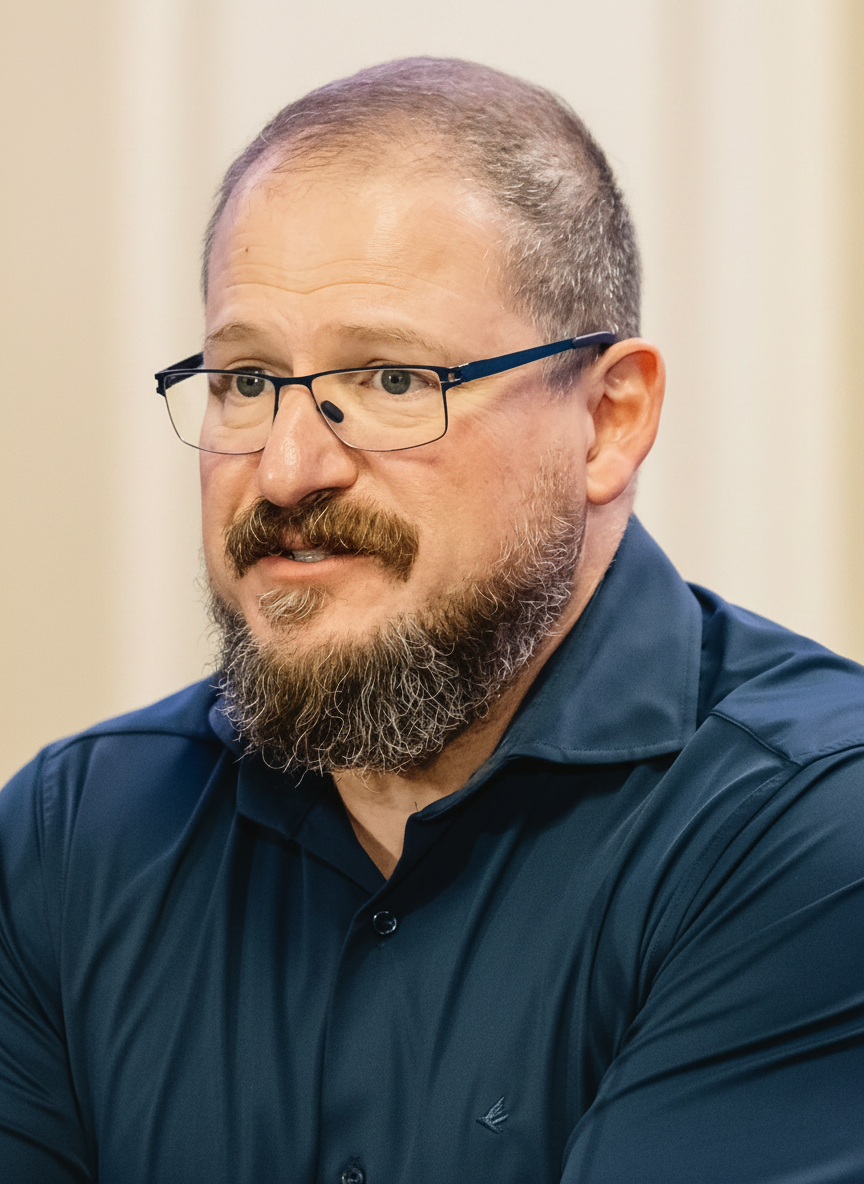
Cristiano Amon
Architect of Qualcomm's diversification beyond smartphones into automotive, IoT, and compute markets.
Cristiano Amon is the CEO of Qualcomm, a global leader in wireless technology and semiconductor design. He has been instrumental in expanding Qualcomm's market footprint beyond its traditional smartphone dominance into new, high-growth sectors such as automotive, IoT, and PCs, driving a significant diversification strategy.
Biography
Accomplishments
- 01Successfully diversified Qualcomm's revenue streams beyond smartphones, targeting automotive, IoT, and compute markets as significant growth pillars.
- 02Led Qualcomm's global 5G strategy and execution, positioning the company as a key enabler of 5G across infrastructure, devices, and applications.
- 03Instrumental in resolving the critical licensing dispute with Apple in 2019, securing a multi-year patent licensing and chipset supply agreement.
- 04Championed the development and expansion of Qualcomm's automotive business, leading the introduction of the Snapdragon Ride Platform for autonomous driving.
- 05Spearheaded Qualcomm's expansion into the PC market with Snapdragon processors for always-connected Windows laptops, challenging traditional x86 dominance.
- 06Oversaw significant growth in Qualcomm's IoT revenues by expanding solutions into industrial, retail, and consumer segments.
Lessons for Operators
Key Takeaways
Practical lessons distilled for operators, investors, C-levels, and capital allocators.
Decentralized Growth
Qualcomm's strategy under Amon emphasizes reducing dependence on the smartphone market by aggressively growing its automotive, IoT, and compute segments, aiming for a more balanced and resilient revenue portfolio.
Platform Advantage
Amon's vision hinges on propagating Qualcomm's 'one technology roadmap' across diverse end devices, leveraging economies of scale and integrated solutions (compute, connectivity, AI) from the cloud to the intelligent edge.
Strategic Patience
Long-term success in new, complex markets like automotive requires significant upfront investment and sustained commitment well before substantial returns materialize, demonstrating strategic patience.
Ecosystem Over Product
Winning in new technology landscapes often means building comprehensive solutions and fostering robust ecosystems with partners, not just shipping chips. This includes software, development tools, and alliances.
Licensing as a Foundation
Despite diversification efforts, Amon has maintained the strategic importance of Qualcomm's licensing division (QTL), ensuring it remains a foundational and profitable component of the business model, as demonstrated by the Apple resolution.
Frameworks & Principles
Named frameworks and strategic principles they popularized or embodied.
Intelligent Edge Strategy
Qualcomm's approach to pervasive computing where intelligence and connectivity are distributed across a vast array of devices at the 'edge' of the network, powered by Snapdragon platforms. This framework encompasses IoT, automotive, mobile, and compute.
When to useApplicable for businesses seeking to leverage distributed computing, AI, and connectivity for real-time decision-making, enhanced user experiences, and new service models across diverse hardware platforms.
Platform Diversification Model
A strategy focused on extending a core technology platform (e.g., Snapdragon SoC) from a primary market into multiple adjacent high-growth markets, customizing it for specific vertical requirements while maintaining architectural commonality.
When to useUseful for technology companies with strong core IP or platform assets looking to reduce market concentration risk and unlock new revenue streams by adapting existing technology for new applications (e.g., mobile SoC to automotive, IoT, PC).
Horizontal Technology Enablement
Positioning a company's technology as a foundational enabler across multiple industries and applications, rather than solely focusing on end-user products. This drives broad adoption and creates network effects.
When to useSuitable for semiconductor companies, software platform providers, or infrastructure players aiming to become critical technology partners across a wide array of vertical markets, fostering a 'picks and shovels' business model.
Sources & Further Reading
Profiles, interviews, podcasts, and articles used to compile and verify this entry. Each link opens at the original publisher.
Explore Related Titans
Other figures in the archive who share Cristiano Amon's domain, geography, or era.
More in Technology









From Brazil


Contemporaries — born 1970s