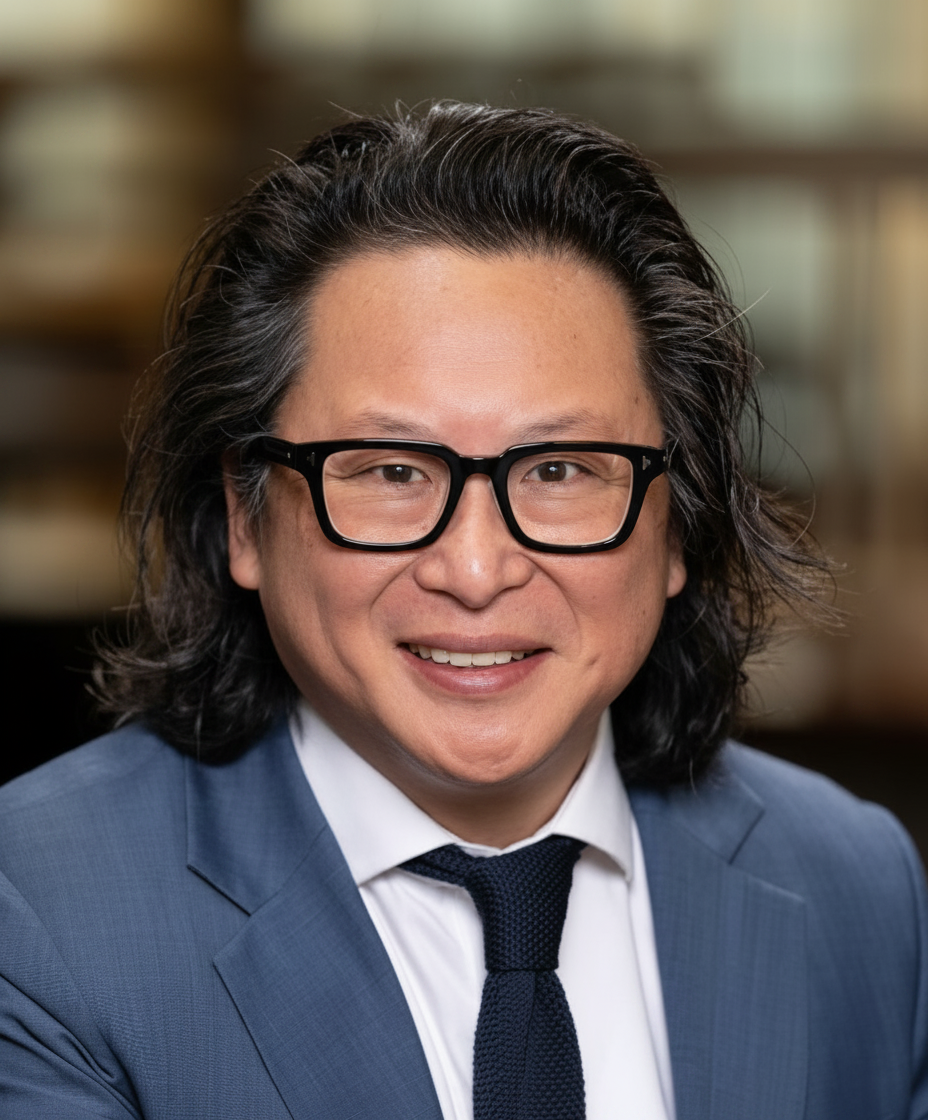
C.H. Tung
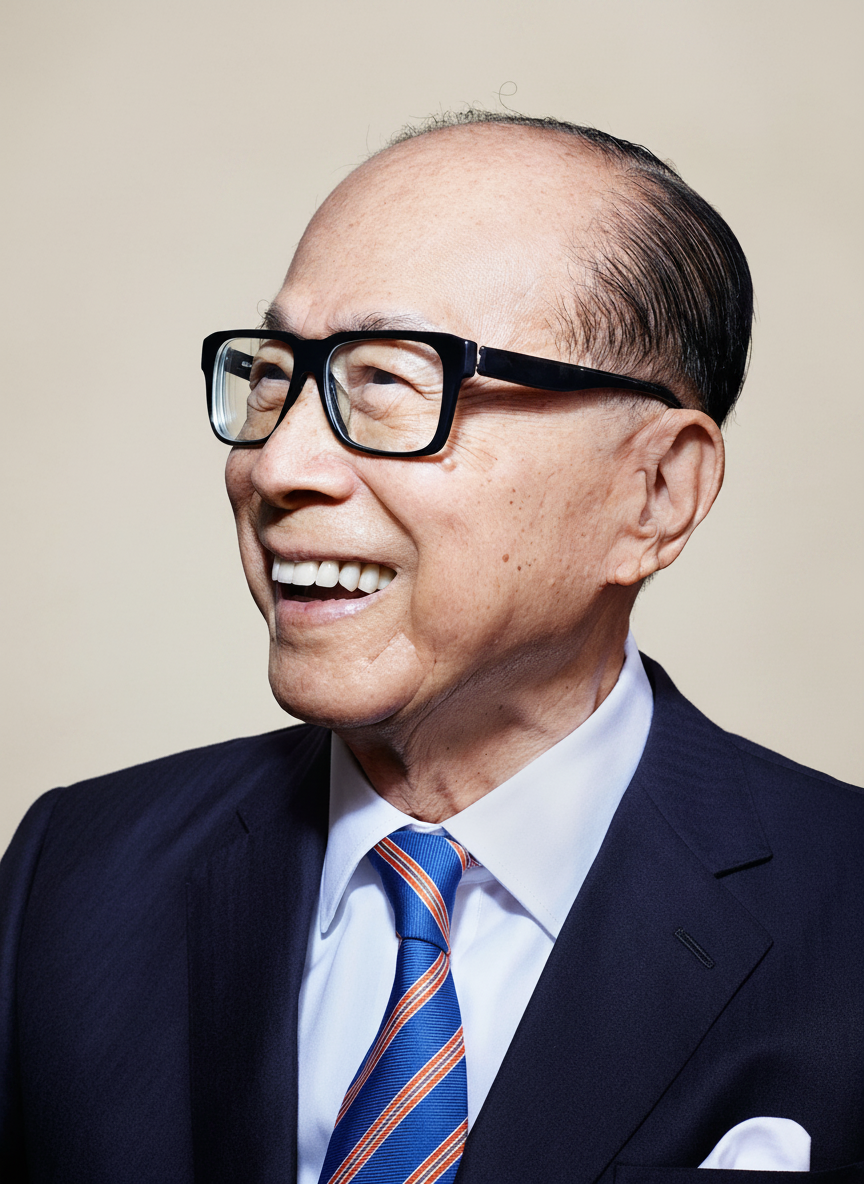
C.H. Tung: The architect of Hong Kong's post-colonial economic stability and a pivotal figure in cross-border semiconductor ventures.
Tung Chee-hwa, a scion of a shipping magnate, adeptly navigated the complexities of inheriting and expanding a global enterprise before becoming Hong Kong's first Chief Executive. His tenure was marked by stabilization during the Asian Financial Crisis and initiatives to foster closer economic ties with mainland China, particularly in high-tech sectors like semiconductors. He later played a crucial advisory role in China's international relations and economic strategy.
Biography
Accomplishments
- 01Successfully restructured Orient Overseas (International) Limited (OOIL) in 1986, preventing bankruptcy and solidifying its position as a global shipping conglomerate.
- 02Navigated Hong Kong through the Asian Financial Crisis (1997-1998) as Chief Executive, maintaining the Hong Kong dollar's peg to the US dollar and preserving financial stability.
- 03Initiated key technology infrastructure projects in Hong Kong, including Cyberport (launched 1999) and the Hong Kong Science Park (opened 2001), aiming to pivot the city towards a knowledge-based economy.
- 04Fostered significant economic integration between Hong Kong and mainland China, laying groundwork for future cross-border collaborations and investments.
- 05Served as Vice Chairman of the Chinese People's Political Consultative Conference (CPPCC) from 2005, playing a crucial role in advising on national strategic priorities, including technology and international relations.
- 06Advocated for critical investments and industrial policies aimed at developing China's indigenous semiconductor capabilities through his advisory roles.
Lessons for Operators
Key Takeaways
Practical lessons distilled for operators, investors, C-levels, and capital allocators.
Navigating Geopolitical & Business Confluence
Tung's career exemplifies how deep understanding and strategic navigation of geopolitical shifts, particularly between China and the West, are critical for both enterprise survival (OOIL) and regional governance (Hong Kong CE).
Crisis Management via Dogged Consistency
His approach to the Asian Financial Crisis demonstrated that predictable, consistent policy enforcement, even when painful in the short-term, can build long-term trust and stability in volatile markets.
Industrial Policy & Technology Foresight
Tung's push for technology parks in Hong Kong and his later involvement in advising China on semiconductor strategy highlight a forward-looking perspective on national industrial development and technological self-reliance.
Strategic State-Corporate Symbiosis
The OOIL bailout demonstrated how judicious, strategically aligned engagement with state capital can provide essential lifelines and unlock growth opportunities, albeit with inherent influence from the state.
Leveraging Expertise Across Domains
Tung's transition from shipping magnate to chief executive and then a national strategic advisor illustrates how deep domain expertise in one sector can be applied effectively to broader economic and political challenges.
Frameworks & Principles
Named frameworks and strategic principles they popularized or embodied.
State-Backed Restructuring Model
A framework for when a conglomerate faces severe financial distress, considering leveraging state-affiliated entities for capital injection and operational assistance. This involves ceding a degree of control or influence for survival and re-stabilization.
When to useApplicable for large, strategically important enterprises in jurisdictions where state intervention is possible and beneficial during severe economic downturns or bankruptcy threats. Requires careful negotiation of long-term strategic alignment.
Fixed Exchange Rate Defense Strategy
A monetary policy framework for maintaining a currency peg during a financial crisis, often involving significant foreign exchange reserve expenditure and high interest rates to deter speculative attacks and maintain market confidence.
When to useRelevant for central banks and financial authorities in economies with linked exchange rates during periods of intense speculative pressure or regional financial contagion. Requires strong reserves and political will.
Innovation Hub Development Model
A long-term economic development strategy focused on creating dedicated zones (e.g., science parks, tech cities) with government incentives, infrastructure, and academic partnerships to foster high-tech industries and attract talent.
When to useGovernments or regional authorities looking to diversify economies, attract foreign direct investment in technology, and build a local innovation ecosystem. Requires sustained investment and cross-sector collaboration.
Explore Related Titans
Other figures in the archive who share C.H. Tung's domain, geography, or era.
More in Technology







From Hong Kong
Contemporaries — born 1930s