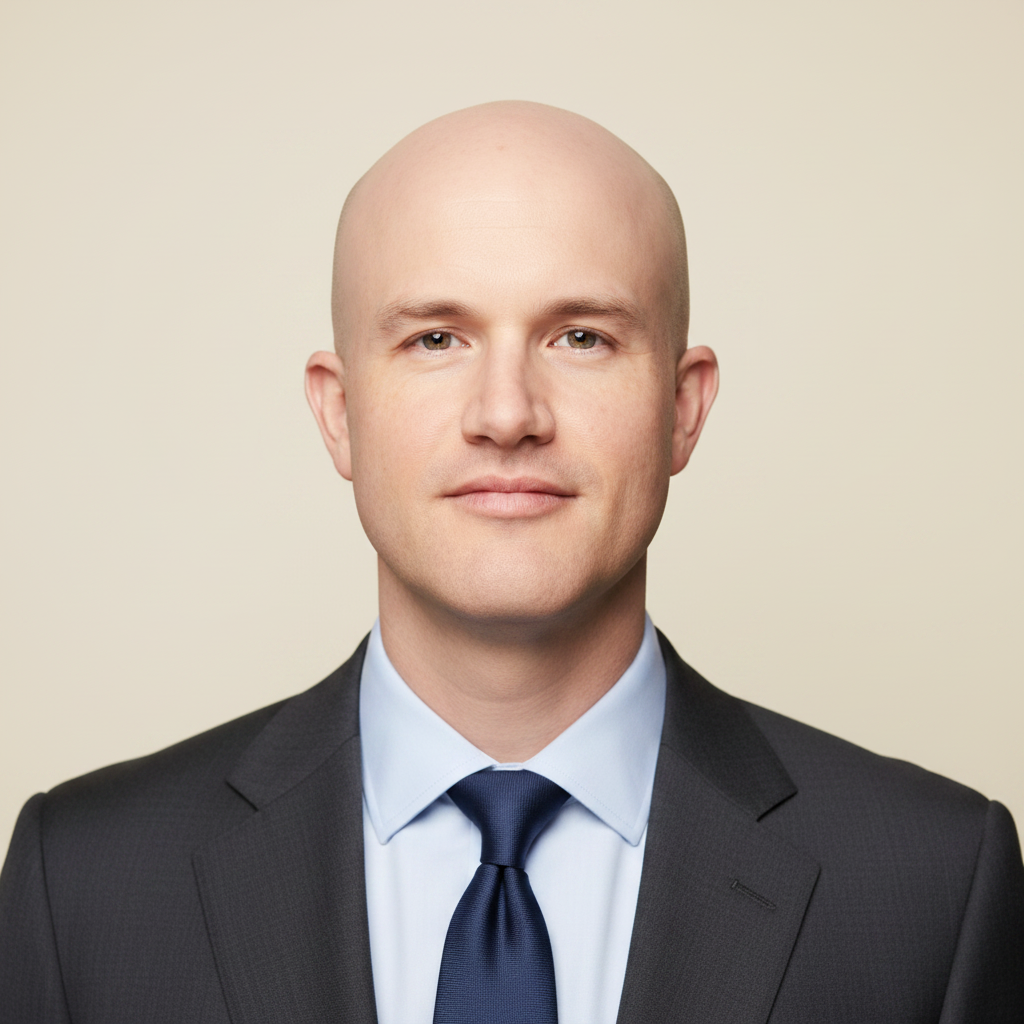
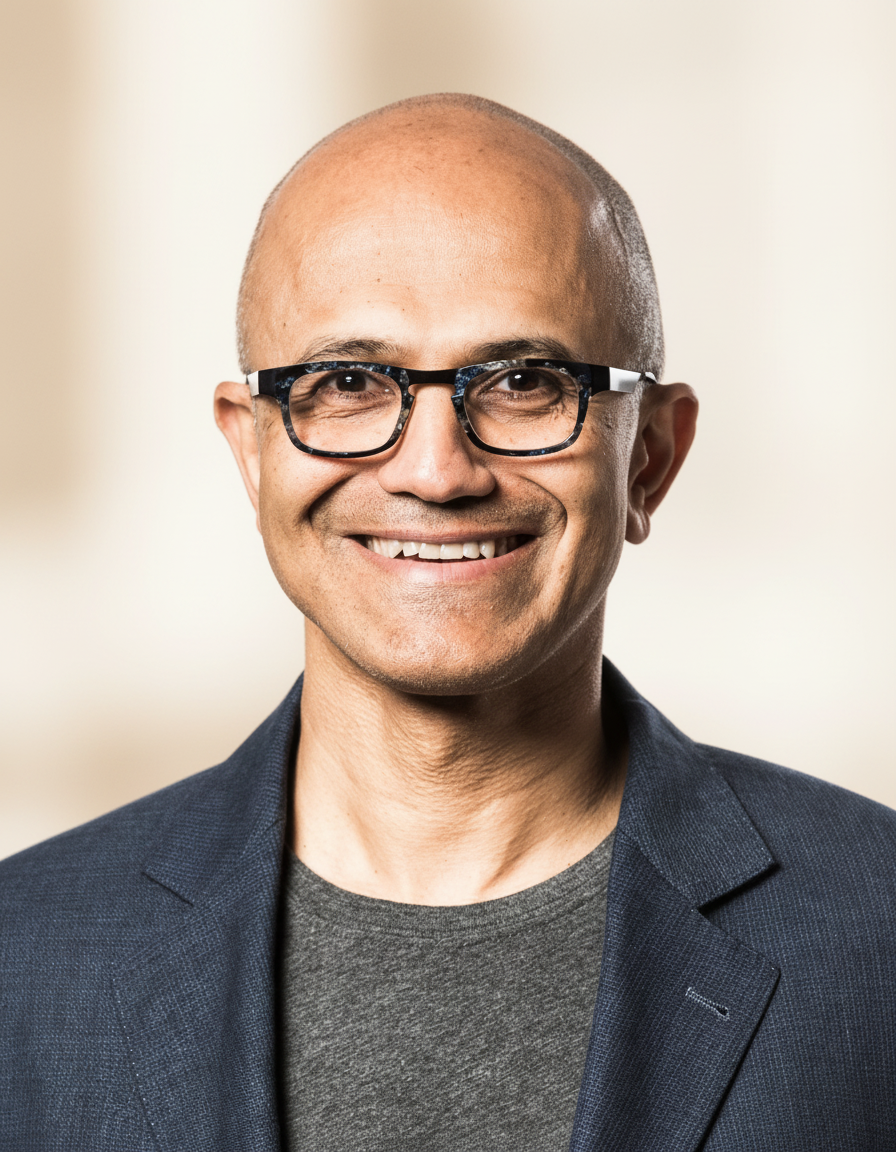
Brian Armstrong
Co-founder and CEO of Coinbase, pioneering accessible cryptocurrency exchange and mainstream digital asset adoption.
Brian Armstrong is the co-founder and CEO of Coinbase Global, Inc., a leading cryptocurrency exchange platform. Launched in 2012, Coinbase under Armstrong's leadership has grown into a publicly traded company and a primary on-ramp for millions of users globally to access the crypto economy, playing a pivotal role in legitimizing digital assets within traditional finance.
Biography
Accomplishments
- 01Co-founded Coinbase in 2012, building it into the largest cryptocurrency exchange in the United States by trading volume and a leading global platform.
- 02Led Coinbase's direct listing on Nasdaq in April 2021 (NASDAQ: COIN), a landmark event for the cryptocurrency industry.
- 03Successfully navigated Coinbase through multiple cryptocurrency bear markets and regulatory challenges, maintaining its market leadership and expanding its product suite.
- 04Pioneered a user-friendly interface for cryptocurrency adoption, making digital assets accessible to millions of retail investors globally.
- 05Established Coinbase as a significant institutional player through products like Coinbase Prime and Coinbase Custody, attracting major institutional capital into the crypto space.
- 06Secured over $547 million in venture funding prior to its public listing from prominent investors such as Andreessen Horowitz, Union Square Ventures, and Y Combinator.
- 07Developed a robust compliance framework for Coinbase, positioning it as a trusted and regulated entity in the evolving cryptocurrency landscape.
- 08Grew Coinbase's user base to over 100 million verified users and facilitated hundreds of billions in quarterly trading volume.
Lessons for Operators
Key Takeaways
Practical lessons distilled for operators, investors, C-levels, and capital allocators.
Legitimacy Drives Scale
Armstrong recognized that for cryptocurrency to move beyond niche adoption, it needed to be perceived as legitimate and safe by mainstream users and institutions. This guided Coinbase's strategy to prioritize regulatory compliance, robust security, and user-friendly design from day one, allowing it to become a trusted on-ramp for millions.
Operationalizing Trust in Uncharted Territory
Operating in a nascent and often volatile industry like cryptocurrency, Armstrong focused on building operational trust through transparent practices, robust security measures, and consistent communication. This approach is critical for any new venture aiming to disrupt established sectors, where skepticism often runs high.
Product-Led Growth in Complex Markets
Coinbase's success stems from its commitment to simplifying access to a complex technology. By continuously refining the product experience – from onboarding to trading – Armstrong ensured that Coinbase remained the go-to platform, demonstrating that superior UX can be a powerful differentiator even in highly technical fields.
Resilience Through Market Cycles
Armstrong has steered Coinbase through multiple boom-and-bust cycles in the crypto market. His ability to maintain a long-term vision, continue building and innovating during downturns, and make strategic decisions (e.g., public listing) exemplifies the resilience required for sustained success in highly cyclical or volatile industries.
Advocacy as a Business Strategy
Beyond building a product, Armstrong actively engaged in advocacy for the crypto industry, educating policymakers and the public. For industries facing regulatory uncertainty, active participation in shaping the narrative and policy landscape can be as crucial as product development.
Frameworks & Principles
Named frameworks and strategic principles they popularized or embodied.
The Regulatory Proactivity Model
A strategic approach where companies in emerging or disruptive industries proactively engage with regulators, provide education, and collaborate on policy frameworks rather than waiting for regulations to be imposed. This positions the company as a responsible industry leader and can shape a more favorable operating environment.
When to useWhen operating in a nascent industry with high regulatory uncertainty (e.g., AI, biotech, space exploration) or disrupting a heavily regulated sector (e.g., finance, healthcare).
The Trust-First Product Development Cycle
A product development philosophy where building and maintaining user trust (through security, transparency, reliability, and clear communication) is prioritized above all other features. This includes rigorous security audits, clear terms of service, and responsive customer support, especially vital for platforms handling sensitive user assets or data.
When to useEssential for financial technology (fintech), healthcare, cybersecurity, or any platform where user data or assets are at stake and trust is paramount to adoption and retention.
Accessibility as a Growth Lever
A growth strategy centered on reducing the technical and psychological barriers to entry for a complex product or service. This involves intuitive user interfaces, simplified language, educational resources, and clear pathways for new users to engage successfully.
When to useApplicable when introducing a complex technology (e.g., AI tools, blockchain, advanced analytics software) to a broad, non-expert audience, or when aiming for mass market adoption of a niche product.
Recent Appearances
Latest interviews, keynotes, and press from the past half year.
 youtube.com
 youtube.com
 youtube.com
 youtube.com
 youtube.com
 youtube.com
 youtube.com
 youtube.com
 youtube.com
 youtube.com
 youtube.com
 youtube.com
 youtube.com
 youtube.com
 youtube.com
 youtube.com
 youtube.com
 youtube.com
 youtube.com
 youtube.com
 youtube.com
 youtube.com
 youtube.com
 youtube.com
 youtube.com
 youtube.com
 youtube.com
 youtube.com
 youtube.com
 youtube.com
 youtube.com
 youtube.com
 youtube.com
 youtube.com
 youtube.com
 youtube.com
 youtube.com
 youtube.com
 youtube.com
 youtube.com
 youtube.com
 youtube.com
 youtube.com
 youtube.com
 youtube.com
 youtube.com
 youtube.com
 youtube.com
 youtube.com
 youtube.com
 youtube.com
 youtube.com
 youtube.com
 youtube.com
 youtube.com
 youtube.com
 youtube.com
 youtube.com
 youtube.com
 youtube.com
 youtube.com
 youtube.com
 youtube.com
 youtube.com
 youtube.com
 youtube.com
 youtube.com
 youtube.com
 youtube.com
 youtube.com
 youtube.com
 youtube.com
 youtube.com
 youtube.com
 youtube.com
 youtube.com
 youtube.com
 youtube.com
 youtube.com
 youtube.com
 youtube.com
 youtube.com
 youtube.com
 youtube.com
 youtube.com
 youtube.com
 youtube.com
 youtube.com
 youtube.com
 youtube.com
 youtube.com
 youtube.com
 youtube.com
 youtube.com
 youtube.com
 youtube.com
 youtube.com
 youtube.com
Explore Related Titans
Other figures in the archive who share Brian Armstrong's domain, geography, or era.
More in Technology









From United States




Contemporaries — born 1980s