Bill Gurley
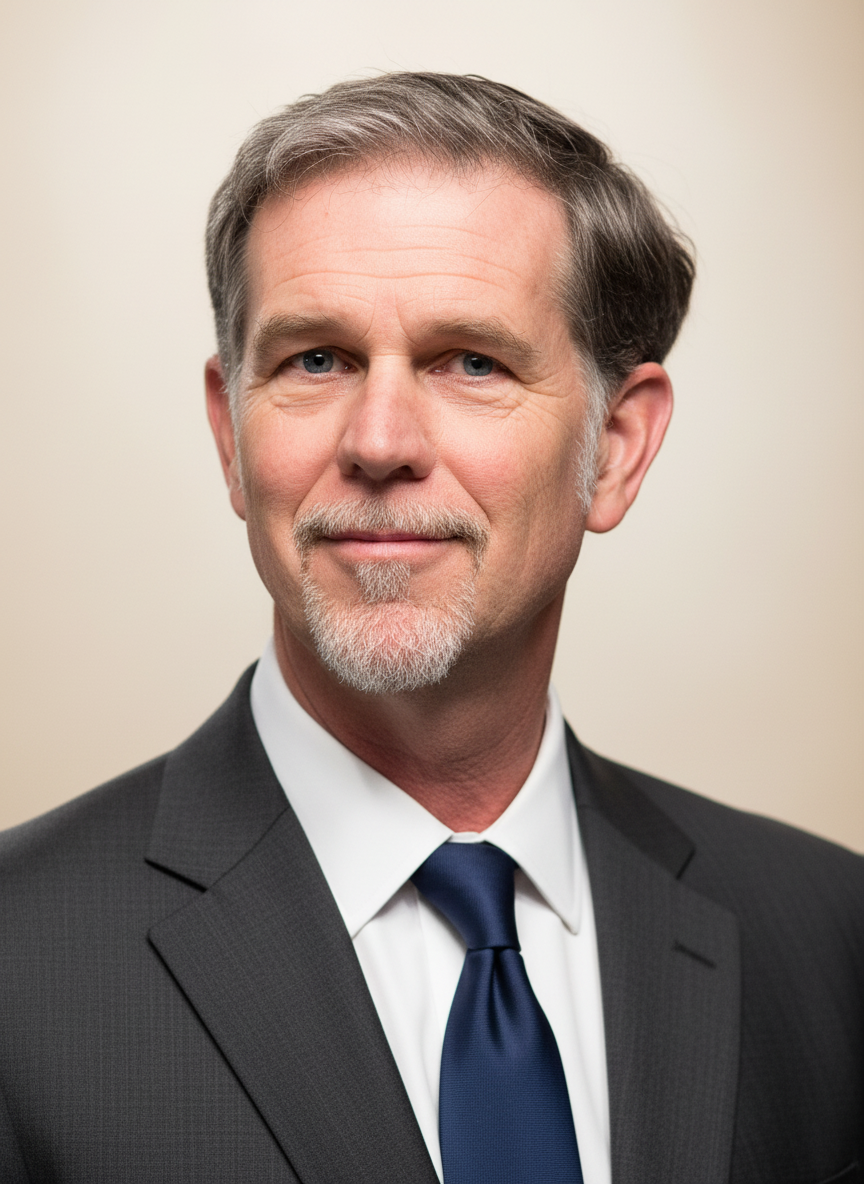
Bill Gurley is a legendary venture capitalist, known for his incisive market analysis, early investments in disruptive technology companies, and controversial stance on valuation discipline.
Bill Gurley is a prominent venture capitalist and General Partner at Benchmark, a leading Silicon Valley firm. He is renowned for his early investments in foundational internet companies such as Uber, Zillow, and GrubHub. Gurley is also a respected thought leader, frequently publishing articles on market dynamics, valuation, and capital efficiency.
Biography
Accomplishments
- 01Led Benchmark's investment in Uber in 2011, serving on its board for eight years and playing a critical role during its formative and growth stages.
- 02Early investor and board member at Zillow (IPO 2011), recognizing the potential for data-driven disruption in real estate.
- 03Invested in GrubHub (IPO 2014) and OpenTable (acquired by Priceline for $2.6 billion in 2014), demonstrating foresight in the online food ordering and restaurant reservation sectors.
- 04Championed a capital-efficient approach to company building amidst a trend of high-burn growth strategies, particularly through his 'Above the Crowd' blog.
- 05Consistently recognized as a top-tier venture capitalist on the Forbes Midas List, reflecting his significant returns for investors (e.g., #2 in 2012, #5 in 2016).
- 06Navigated Benchmark's unique 'equal partnership' model, ensuring a collaborative and successful investment strategy for over two decades.
Lessons for Operators
Key Takeaways
Practical lessons distilled for operators, investors, C-levels, and capital allocators.
Sustainable Growth Over Hyper-Growth
Gurley champions businesses that can achieve profitability and healthy unit economics, even when growth is prioritized. This contrasts with the 'burn-rate' mentality often seen in unicorn startups. Operators must focus on foundational business health alongside scaling efforts.
Market Disruption as a Key Indicator
His portfolio reflects a consistent theme of investing in companies that fundamentally disrupt existing industries or create entirely new markets (e.g., ride-sharing, online real estate information). Investors should seek transformational rather than incremental innovations.
Valuation Rationality in Private Markets
Gurley has been a vocal critic of unsustainable private company valuations, predicting significant corrections. This emphasizes the need for investors and founders to maintain discipline and realistic expectations regarding fundraising and potential exit multiples.
The Power of Data and Network Effects
Many of his successes leverage proprietary data and robust network effects to build defensible moats. Companies should strategize how to collect, analyze, and apply data to enhance their offerings and create self-reinforcing user bases.
Active and Strategic Board Engagement
His board roles were often characterized by deep involvement in strategic direction, executive search, and crisis management. This highlights the value of engaged, experienced board members who can provide more than just capital.
Frameworks & Principles
Named frameworks and strategic principles they popularized or embodied.
Unit Economics First
A core philosophy emphasizing the profitability and sustainability of each individual transaction or customer relationship before scaling. It involves calculating customer acquisition costs (CAC), lifetime value (LTV), contribution margin per unit, and payback periods.
When to useCrucial for startups from seed stage through growth. Use to assess business model viability, refine pricing strategies, optimize marketing spend, and present a clear path to profitability to investors. Operators: Apply when making fundamental product or market expansion decisions. Investors: Apply when evaluating investment opportunities, especially in high-growth, cash-intensive businesses.
Disruption Potential Assessment
A framework for evaluating whether a company can fundamentally transform a large, often incumbents-dominated, market through technology, new business models, or superior user experience, rather than merely making incremental improvements.
When to useApplicable for identifying new investment opportunities or for founders developing innovative products. Operators: Use when defining product-market fit or assessing competitive landscapes. Investors: Use when evaluating early-stage ventures in established industries or when considering ventures creating entirely new categories.
Valuation Discipline & Market Signal Analysis
Focuses on anchoring valuations to tangible metrics, historical financial performance (or realistic projections), and public market comparables, while also critically assessing broader market sentiment and fundraising conditions.
When to useEssential for both investors setting investment terms and founders raising capital. Operators: Use when planning fundraising rounds or considering M&A. Investors: Apply when modeling potential returns and determining fair entry prices, particularly during overheated market cycles, to avoid overpaying.
Recent Appearances
Latest interviews, keynotes, and press from the past half year.
 youtube.com
 youtube.com
 youtube.com
 youtube.com
 youtube.com
 youtube.com
 youtube.com
 youtube.com
 youtube.com
 youtube.com
 youtube.com
 youtube.com
 youtube.com
 youtube.com
 youtube.com
 youtube.com
 youtube.com
 youtube.com
 youtube.com
 youtube.com
 youtube.com
 youtube.com
 youtube.com
 youtube.com
 youtube.com
 youtube.com
 youtube.com
 youtube.com
 youtube.com
 youtube.com
 youtube.com
 youtube.com
 youtube.com
 youtube.com
 youtube.com
 youtube.com
 youtube.com
 youtube.com
 youtube.com
 youtube.com
 youtube.com
 youtube.com
 youtube.com
 youtube.com
 youtube.com
 youtube.com
 youtube.com
 youtube.com
 youtube.com
 youtube.com
 youtube.com
 youtube.com
 youtube.com
 youtube.com
 youtube.com
 youtube.com
 youtube.com
 youtube.com
 youtube.com
 youtube.com
 youtube.com
 youtube.com
 youtube.com
 youtube.com
 youtube.com
 youtube.com
 youtube.com
 youtube.com
 youtube.com
 youtube.com
 youtube.com
 youtube.com
 youtube.com
 youtube.com
 youtube.com
 youtube.com
 youtube.com
 youtube.com
 youtube.com
 youtube.com
 youtube.com
 youtube.com
 youtube.com
 youtube.com
 youtube.com
 youtube.com
 youtube.com
 youtube.com
 youtube.com
 youtube.comyoutube.com
 youtube.com
 youtube.com
 youtube.com
 youtube.com
 m.youtube.com
 youtube.com
 youtube.com
 youtube.com
 youtube.com
 youtube.com
 m.youtube.com
 youtube.com
 youtube.com
 youtube.com
 youtube.com
 youtube.com
 youtube.com
 youtube.com
 youtube.com
 youtube.com
 youtube.com
 youtube.com
 youtube.com
 youtube.com
 youtube.com
 youtube.com
 m.youtube.com
 youtube.com
 youtube.com
 youtube.comyoutube.com
 youtube.com
 youtube.com
 youtube.com
 youtube.com
 youtube.com
 youtube.com
 youtube.com
 youtube.com
 youtube.com
 youtube.com
 youtube.com
 youtube.com
 youtube.com
 youtube.com
 youtube.comyoutube.com
 youtube.com
 youtube.com
 youtube.com
 youtube.com
 youtube.com
 youtube.com
 youtube.com
 youtube.com
 youtube.com
 youtube.com
 youtube.com
 youtube.com
 youtube.com
 youtube.com
 youtube.com
Sources & Further Reading
Profiles, interviews, podcasts, and articles used to compile and verify this entry. Each link opens at the original publisher.
- interviewAn Interview with Bill Gurley About Runnin' Down a Dreamstratechery.com→
- interview“Be less tribal.” — Bill Gurley Listen to my interview with legendary ...facebook.com→
- interview5 things to know before the market opens Tuesday - CNBCcnbc.com→
- interviewFigma's top VCs sitting on $20 billion in stock after IPO pop - CNBCcnbc.com→
- interviewTech IPOs Bullish, Figma, Circle roaring after 'years of Prohibition'cnbc.com→
- interviewMichael Phelps, Bill Gurley And Other GOATs' Advice For Business ...forbes.com→
- interviewWhat's an 'Aspirational Mentor'? Bill Gurley Explains How to Get ...inc.com→
- interview2026 Forbes Under 30 Summitforbes.com→
- interviewCloaked Raised $375 Million To Poison Your Data—And The NFL ...forbes.com→
- interviewHiring Is Missing One Thing. Her Name Is Sarah. - Forbesforbes.com→
- interviewLive From The 2026 Forbes Under 30 Summitforbes.com→
- interviewMike Volpi - Forbesforbes.com→
- interviewSilicon Valley Stalwart Benchmark Breaks From Past, Embraces ...wsj.com→
- podcastDiary Of A CEO: w/ Jeremy Grantham (Transcript) - The Singju Postsingjupost.com→
- podcast840: Bill Gurley — Investing …–The Tim Ferriss Showpodcasts.apple.com→
- podcastRic Elias - The Art of Living Well - [Invest Like The Best, CLASSICS]open.spotify.com→
- podcastBill Gurley: The Biggest Career Regret Most People Havepodcasts.apple.com→
- podcastAll things AI w @altcap @sama … - BG2Pod with Brad Gerstner and ...podcasts.apple.com→
- podcastInside OpenAI Enterprise: Forw… - BG2Pod with Brad Gerstner and ...podcasts.apple.com→
- podcastHow to build a career you actually love | Bill Gurley - Apple Podcastspodcasts.apple.com→
- podcastMental Models That Change How You Think | Bill Gurley - Spotifyopen.spotify.com→
- podcastWhy Bill Gurley says AI investing is becoming crowdedpodcasts.apple.com→
- podcastMaximizing your luck and other... - Planet Money - Apple Podcastspodcasts.apple.com→
- podcastThis guy names billion dollar brands for a living, here's his exact 3 ...open.spotify.com→
- podcastBill Gurley (@bgurley) - Benchmark Partner, Backed Uber, Zillow ...instagram.com→
- podcastMy First Million - Podcast Notespodcastnotes.org→
- podcastWhat It Takes to Be a Guest on My First Million - LinkedInlinkedin.com→
- podcasta16z: The Power Brokers - Not Boring by Packy McCormicknotboring.co→
- podcastThe Ben & Marc Show - Apple Podcastspodcasts.apple.com→
- podcastAI Agents and the Fight for Customer Data - The a16z Show - Spotifyopen.spotify.com→
- podcastBill Gurley is an American venture capitalist and one of Silicon ...instagram.com→
- podcastAnthropic's Digital God, Pope vs AI, Job Loss Narrative Flips, Open ...open.spotify.com→
- podcastAll-In Podcastallin.com→
- podcastPod!!!! Absolute banger with @bgurleyx.com→
- podcastAll-In (podcast) - Wikipediaen.wikipedia.org→
- podcastAnthropic's Digital God, Pope vs AI, Job Loss Narrative Flips, Open ...podcasts.happyscribe.com→
- podcastAll-In (podcast) - Grokipediagrokipedia.com→
- podcastAll-In Podcastpodcastnotes.org→
- podcastAlphabet Inc. - Acquired Podcastacquired.fm→
- podcastBill Gurley on his new project | Ep38 #bradgerstner ... - Instagraminstagram.com→
- podcastBill Gurley: Mental Models That Change How You Thinkpodcastnotes.org→
- podcastWhy Acquired Hides Facts From Each Other Ben Gilbert reveals that ...instagram.com→
- podcastBest Venture Capital Podcasts in 2026: 10 Shows Ranked by Signalvalueaddvc.com→
- podcastThe Top 13 Private Equity Podcasts Investors Listen to in 2026sourcecodeals.com→
- podcastInside a16z's New Media Playbook - insights4vc - Substackinsights4vc.substack.com→
- podcastBill Gurley — Investing in the AI Era, 10 Days in China ... - Tim Ferrisstim.blog→
- podcastTim Ferriss' Post - Bill Gurley - LinkedInlinkedin.com→
- podcastGo Where The Action Is - The Blog of Author Tim Ferrisstim.blog→
- podcastJensen Huang: NVIDIA - The $4 Trillion Company & the AI Revolutionopen.spotify.com→
- podcastAs part of a hefty podcast with Lex Fridman, ex-Blizzard vice ...instagram.com→
- podcastmillions converge on one idea without ever meeting from ... - Instagraminstagram.com→
- podcastPodcast Notes Archives - Crypto Briefingcryptobriefing.com→
- podcastInvest Like the Best with Patrick O'Shaughnessy | Tarana Lalwanilinkedin.com→
- podcastAlex Sacerdote: Why the AI Boom Is Just Getting Started | Invest Like ...podcastnotes.org→
- podcastSean Feeney - Reinventing the Restaurant Business - Apple Podcastspodcasts.apple.com→
- podcastShane Parrish, The Knowledge Project: Interview with Bill Gurley ...linkedin.com→
- podcastThe Knowledge Project - Apple Podcastspodcasts.apple.com→
- podcastMental Models That Change How You Thinkx.com→
- podcastThe Most Important Lessons from The Knowledge Project (2025)fs.blog→
- podcastMichael Ovitz: The Psychology of Power - Farnam Streetfs.blog→
- podcastWe're excited to share that our founder, @berylstaff interview with ...instagram.com→
- podcastHow I Built This with Guy Raz - Nirav Tolia: Nextdoor ... - PodScriptspodscripts.co→
- podcastIf you're building something right now, this is the closest thing you'll ...instagram.com→
- podcastResources — AEON Foundryaeonfoundry.com→
- podcastFounders is a podcast by David Senra. He obsessively ... - Instagraminstagram.com→
- podcastThe 2025 Strategy Playlist: 10 Masterclasses in Business & Innovationjanuszczak.org→
- podcast100 Best Startup Podcasts to Listen to in 2026podcast.feedspot.com→
- podcastEveryone wants the “secret” to extraordinary success… Guy Raz ...instagram.com→
- podcastBUSINESS,ENTREPRENEURSHIP,MANAGEMENT,LEADERSHIP ...instagram.com→
- podcastThank you @michaeldell I WROTE A BOOK! Runnin' Down a Dream ...instagram.com→
- podcastYour Curated Content For The Week - August 8th - LinkedInlinkedin.com→
- podcastIn the newest episode of Marketopolis, @nextdoor co-founder and ...facebook.com→
- podcast"Nothing else matters but the founder..." Harry Stebbings (20VC ...instagram.com→
- podcastBill Gurley on AI Market Correction and Venture Capital Burn Rateslinkedin.com→
- podcastHow a podcast built a $600M venture firm | Rory Nolan posted on ...linkedin.com→
- podcast“You really have to be unwaveringly obsessed..." Harry Stebbings ...thegentlemansjournal.com→
- podcastThe Twenty Minute VC (20VC): Venture Capital | Startup Fundingpodcastrepublic.net→
- podcastVenture capitalist Harry Stebbings faced a wave of backlash in June ...facebook.com→
- podcast#413 How To Run Down A Dream - Founders - Apple Podcastspodcasts.apple.com→
- podcastDavid Senra | Nine years ago, I launched Founders ... - Instagraminstagram.com→
- podcastHow Bill Gates Works | Founders Podcast with David Senra (#401)podcastnotes.org→
- podcastNever stop pursuing mentors. | Jeshua Lauka - LinkedInlinkedin.com→
- podcastDiary of a CEO is not the diary of a CEO - Instagraminstagram.com→
- podcastThe most valuable thing I took from Diary of a CEO wasn ... - Instagraminstagram.com→
- podcastThe Diary Of A CEO With Steven Bartlett - Podcast Notespodcastnotes.org→
- podcastRay Dalio: We're Heading Into Very, Very Dark Times! America ...open.spotify.com→
- podcastGrace Miller, Head of Experimentation and Failure for Steven Bartlett ...instagram.com→
- podcastLegendary Investor Bill Gurley on Investing Rules ... - Facebookfacebook.com→
- podcastThe diary of a ceo book: Chapter-by-Chapter ... - Insta.Pageinsta.page→
- podcastNVIDIA: OpenAI, Future of Compute, and the American Dream | BG2 wopen.spotify.com→
- podcastMichael Dell's Post - LinkedInlinkedin.com→
Explore Related Titans
Other figures in the archive who share Bill Gurley's domain, geography, or era.
More in Finance & Investing




From United States




Contemporaries — born 1960s