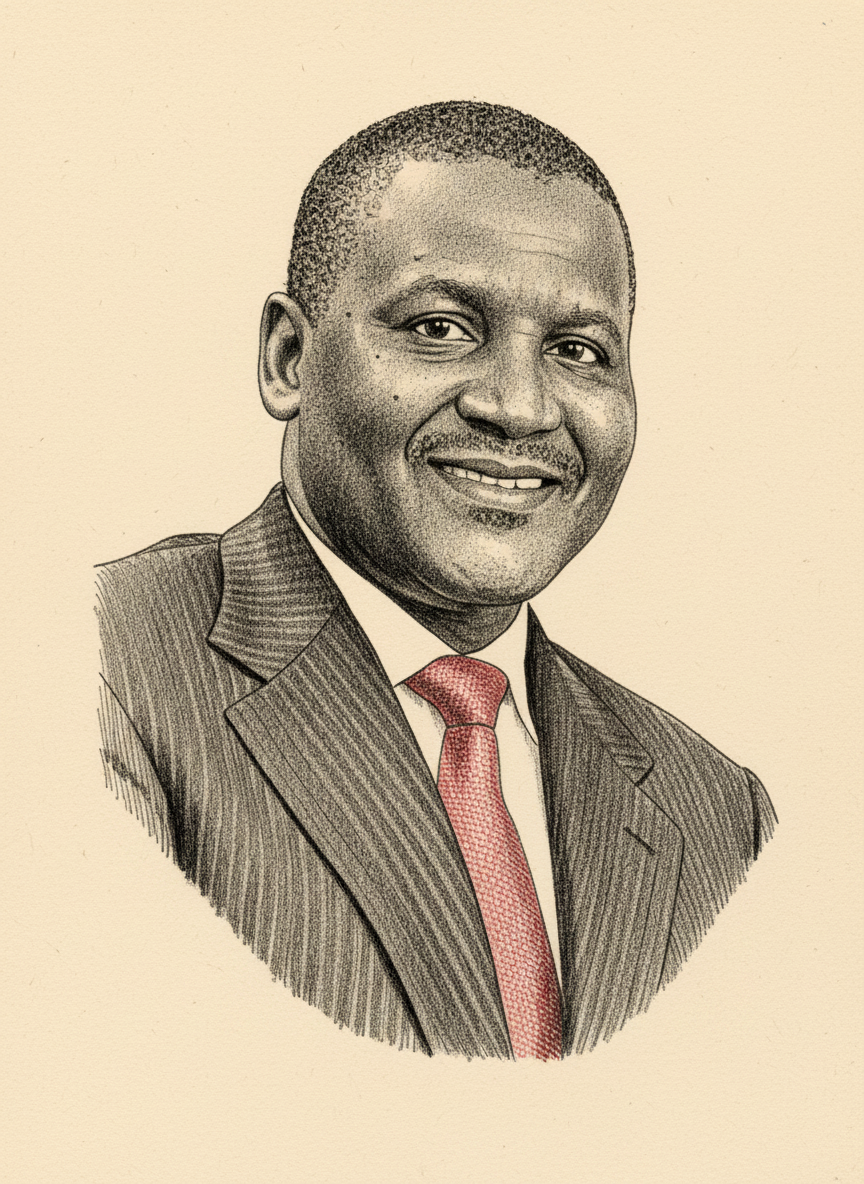
Anne Mulcahy
The turnaround specialist who revitalized Xerox through strategic restructuring and cultural transformation.
Anne M. Mulcahy is an American business executive who served as Chairperson and CEO of Xerox Corporation. She joined Xerox in 1976 and rose through the ranks, eventually becoming CEO in 2001 and Chairman in 2002. Mulcahy is widely credited with rescuing Xerox from the brink of bankruptcy through a comprehensive restructuring that included divesting non-core assets, reducing debt, streamlining operations, and refocusing on innovation and customer service.
Biography
Accomplishments
- 01Led Xerox from a near-bankruptcy state to sustained profitability and renewed growth, avoiding a potential Chapter 11 filing in the early 2000s.
- 02Successfully executed a strategic debt reduction by divesting non-core assets, including the $2.2 billion sale of Xerox Engineering Systems to Fuji Xerox in 2001.
- 03Restructured Xerox's operations, implementing significant cost-cutting measures and streamlining the global workforce without crippling the company's core capabilities or innovation pipeline.
- 04Reinvigorated Xerox's product portfolio and market position by prioritizing investment in R&D, particularly in color printing, digital document solutions, and services.
- 05Restored employee morale and investor confidence through transparent leadership, clear strategic communication, and a renewed focus on corporate culture and customer service.
- 06Achieved consistent profitability for Xerox starting in 2002, reversing years of losses and stabilizing the company's financial foundation.
- 07Successfully navigated a complex corporate governance environment, including addressing accounting issues and rebuilding trust with stakeholders.
- 08Paved the way for future leadership transitions by mentoring and appointing Ursula Burns as her successor, making Burns the first African American woman to lead a Fortune 500 company.
Lessons for Operators
Key Takeaways
Practical lessons distilled for operators, investors, C-levels, and capital allocators.
Turnaround Leadership Requires Unwavering Resolve
Mulcahy took the helm of Xerox during its deepest crisis. Her ability to make unpopular but necessary decisions, such as significant workforce reductions and divestitures, demonstrated the courage and resolve required to salvage a failing enterprise. This involved confronting hard truths and communicating them transparently.
Financial Prudence is Paramount in Crisis
Her immediate and aggressive focus on debt reduction and cash flow generation, through asset sales and stringent cost controls, stabilized Xerox's finances. This illustrates that in a crisis, liquidity and balance sheet health must override other considerations until stability is achieved.
Strategic Focus and Innovation Drive Long-Term Viability
Despite immense pressure to cut everywhere, Mulcahy strategically protected and invested in R&D for core and emerging technologies (e.g., color printing, digital services). This dual approach of cost control and selective investment ensured that Xerox was not merely surviving but positioned for future growth.
Culture and Communication are Critical Turnaround Levers
Mulcahy's empathetic yet firm communication style and her efforts to rebuild trust and morale among employees were as vital as financial restructuring. A motivated workforce, aligned with the company's vision, is essential for executing a successful turnaround strategy.
The Power of a Clear, Actionable Vision
She articulated a clear vision for Xerox's future, centered on digital document solutions and services, moving beyond its traditional copier business. This clarity enabled employees, investors, and partners to understand and support the company's new direction, fostering alignment across the organization.
Execution Trumps Ideation in Crisis
While strategy was important, Mulcahy's tenure emphasized relentless execution. The rapid implementation of divestitures, cost cuts, and new product launches demonstrated that swift, decisive action is critical when a company is in peril, rather than prolonged planning.
Leveraging Partnerships and Ecosystems
Mulcahy understood the value of Xerox's existing relationships, particularly with Fuji Xerox, using the joint venture to both divest assets and maintain a strong presence in key markets, underscoring the importance of strategic alliances.
Leadership Development for Continuity
Her deliberate mentorship and succession planning, culminating in Ursula Burns' appointment, ensured a smooth transition and continued strategic direction, highlighting the long-term impact of investing in future leaders.
Frameworks & Principles
Named frameworks and strategic principles they popularized or embodied.
Crisis Turnaround Management
A structured approach to rescuing a company from severe financial distress or operational failure. It involves rapid assessment, aggressive cost reduction, strategic divestitures, debt restructuring, and a clear communication strategy to stakeholders.
When to useApplicable when a company faces imminent bankruptcy, significant market share loss, or sustained unprofitability. Requires decisive leadership and a willingness to make unpopular choices to ensure survival.
Strategic Asset Reconfiguration
The process of re-evaluating and optimizing a company's asset portfolio, which can include divesting non-core businesses, acquiring strategic assets, or reallocating capital to higher-growth areas. Mulcahy's sale of Xerox Engineering Systems is a prime example.
When to useUseful when a company's asset base is bloated, diversified away from core competencies, or generating insufficient returns. It helps to sharpen focus and improve capital efficiency.
Stakeholder Alignment & Communication
A methodology for actively engaging and communicating with all key stakeholders (employees, investors, customers, board members) during periods of significant change or crisis. It emphasizes transparency, empathy, and a consistent message to build trust and shared purpose.
When to useEssential during major organizational changes, turnarounds, mergers, or periods of uncertainty to manage expectations, mitigate resistance, and maintain confidence across the ecosystem.
Dual Transformation
A strategic approach where an organization simultaneously optimizes its core business (Transformation A) while creating or launching new growth engines (Transformation B). Mulcahy managed to cut costs and fix the legacy business while also investing in digital and color printing innovations.
When to useApplicable for established companies facing disruption, needing to defend their core while also developing new capabilities and business models for future relevance. Requires balanced resource allocation and distinct organizational structures for A and B.
Recent Appearances
Latest interviews, keynotes, and press from the past half year.
 youtube.com
 m.youtube.com
 youtube.com
 youtube.com
 youtube.com
 youtube.com
 youtube.com
 youtube.com
 youtube.com
 youtube.com
 youtube.com
 m.youtube.com
 youtube.com
 m.youtube.com
![[Interview] "Faith & Ethics in the Executive Suite - YouTube](https://i.ytimg.com/vi/l_WqmTag0NM/hqdefault.jpg) youtube.com
youtube.com youtube.com
 youtube.com
 youtube.com
 youtube.com
 m.youtube.com
 youtube.com
 youtube.com
 youtube.com
 m.youtube.com
 m.youtube.com
 youtube.com
 youtube.com
 youtube.com
 youtube.com
 youtube.com
 youtube.com
 youtube.com
 youtube.com
 youtube.com
 youtube.com
 youtube.com
 youtube.com
 m.youtube.com
 youtube.com
 youtube.com
 youtube.com
 youtube.com
 youtube.com
![[Intro] "Faith & Ethics in the Executive Suite: A Catholic Perspective ...](https://i.ytimg.com/vi/K1GbUG3GEkA/hqdefault.jpg) youtube.com
youtube.com youtube.com
 youtube.com
 youtube.com
 youtube.com
 youtube.com
 youtube.com
 youtube.com
 youtube.com
 youtube.com
 youtube.com
 youtube.com
 youtube.com
 youtube.com
 youtube.com
 youtube.com
Sources & Further Reading
Profiles, interviews, podcasts, and articles used to compile and verify this entry. Each link opens at the original publisher.
Explore Related Titans
Other figures in the archive who share Anne Mulcahy's domain, geography, or era.
More in Technology










From United States




Contemporaries — born 1950s