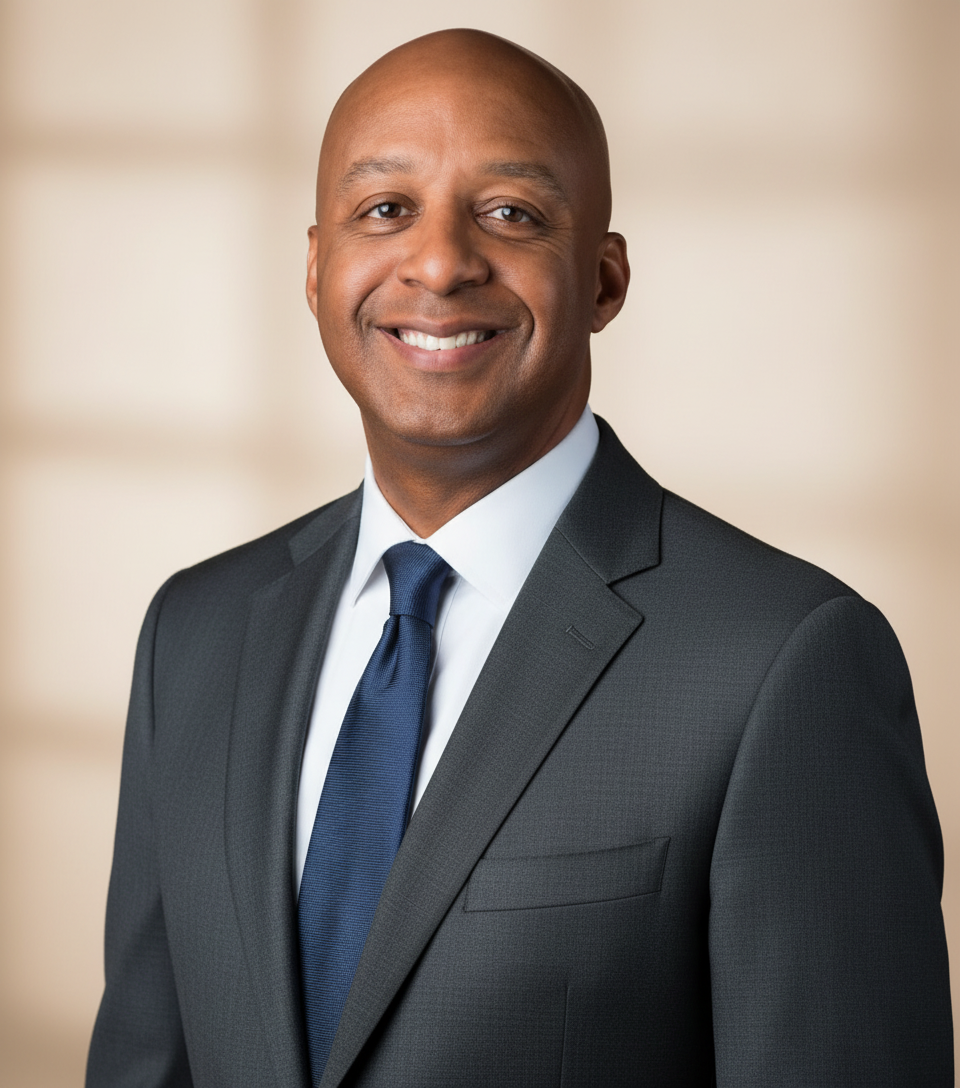
Abby Johnson
A third-generation leader transforming a financial services giant through technological innovation, client-centricity, and strategic expansion.
Abigail 'Abby' Johnson is an American businesswoman who has served as the Chairman and CEO of Fidelity Investments, and Chairman and President of Fidelity Management & Research, since 2014. A member of the founding Johnson family, she represents the third generation to lead the firm, driving its evolution through digital transformation, blockchain technology adoption, and a relentless focus on client experience across retail, institutional, and workplace investing.
Biography
Accomplishments
- 01Ascended to CEO of Fidelity Investments in 2014 and Chairman in 2016, becoming the third generation of the Johnson family to lead the firm, overseeing trillions in assets under management.
- 02Spearheaded Fidelity's aggressive entry into blockchain and cryptocurrency, establishing Fidelity Digital Assets in 2018 to provide institutional-grade services, a move that differentiated Fidelity from many traditional finance peers.
- 03Drove significant technological modernization across Fidelity's retail and institutional platforms, enhancing digital client engagement and operational efficiency for millions of customers.
- 04Expanded Fidelity's footprint in critical growth areas, including wealth management, workplace benefits, and advisory services, diversifying revenue streams beyond core mutual funds.
- 05Navigated the firm through volatile market conditions and intense competition, consistently growing assets under administration and maintaining Fidelity's competitive edge.
- 06Championed employee development and diversity initiatives, fostering a culture of innovation and inclusion within a large, established financial institution.
- 07Maintained Fidelity's status as a leading provider of investment solutions globally, adapting to changing investor preferences and regulatory landscapes.
- 08Oversaw the launch of Fidelity's commission-free index funds, disrupting the industry and increasing accessibility for retail investors.
Lessons for Operators
Key Takeaways
Practical lessons distilled for operators, investors, C-levels, and capital allocators.
Innovation as a Growth Engine
Abby Johnson's embrace of blockchain and digital assets through Fidelity Digital Assets demonstrates that even established industry giants must proactively seek out and invest in disruptive technologies. This is not merely about staying current, but about identifying new growth vectors and competitive advantages. Leaders should continuously scan the horizon for emerging technologies that could redefine their industry.
Client-Centric Digital Transformation
Under Johnson, Fidelity has significantly invested in enhancing its digital platforms and user experience. This focus ensures that technological advancements translate directly into improved service for clients, which is crucial for retention and acquisition in an increasingly digital world. Enterprises must prioritize digital transformation not just for internal efficiency, but primarily for external customer value.
Strategic Diversification and Expansion
Johnson has successfully broadened Fidelity's offerings beyond its mutual fund core into wealth management, workplace solutions, and digital assets. This strategic diversification mitigates risk and unlocks new market opportunities, ensuring long-term resilience. Business leaders should regularly review their portfolio of services and products for opportunities to expand into synergistic high-growth areas.
Leveraging Legacy for Future Success
As a third-generation leader, Johnson balances Fidelity's deep-rooted history and trusted brand with a vision for future growth. Her leadership shows that a strong legacy, combined with a willingness to adapt and innovate, can be a powerful asset. Organizations should respect their foundational principles while fostering a culture that encourages forward-thinking and evolution.
Decisive Leadership in Competitive Markets
Johnson's willingness to make bold decisions, such as introducing commission-free index funds or pioneering institutional crypto services, illustrates the necessity of decisive leadership in highly competitive sectors. Procrastination in adapting to market shifts can lead to significant erosion of market share. C-levels must be prepared to make impactful strategic choices, even if unconventional.
Frameworks & Principles
Named frameworks and strategic principles they popularized or embodied.
Disruptive Innovation Strategy
Johnson's proactive move into blockchain technology with Fidelity Digital Assets exemplifies a disruptive innovation strategy. Instead of ignoring or resisting new technologies, she embraced them to create new value propositions for institutional clients, positioning Fidelity ahead of many traditional financial services firms.
When to useWhen your industry faces technological shifts that could render existing business models obsolete, or when there's an opportunity to create entirely new markets. Apply this by investing in R&D, strategic partnerships, or internal ventures focused on emerging technologies, even if they initially seem niche or unconventional.
Client Journey Mapping & Digital Experience Design
Fidelity's continuous investment in modernizing its digital platforms under Johnson's leadership reflects a strong emphasis on optimizing the client journey. By understanding customer pain points and preferences, Fidelity designs intuitive digital experiences that improve engagement and satisfaction across retail and institutional channels.
When to useWhen aiming to enhance customer satisfaction, reduce churn, or increase digital engagement. This framework is vital for any organization looking to make its digital touchpoints more effective and user-friendly. Apply by meticulously mapping customer interactions and designing solutions based on user research and feedback.
Core Competency Expansion
Johnson has strategically expanded Fidelity's core competencies from mutual funds into areas like wealth management, workplace retirement services, and digital asset custody. This involves leveraging existing strengths (e.g., asset management expertise, brand trust) to enter adjacent high-growth markets.
When to useWhen seeking sustainable growth beyond existing core markets, or to diversify revenue streams. This approach requires identifying transferable skills and assets within the organization that can create competitive advantages in new sectors. It involves careful market analysis and resource allocation to new ventures.
Recent Appearances
Latest interviews, keynotes, and press from the past half year.
 youtube.com
 youtube.com
 youtube.com
 youtube.com
 youtube.com
 youtube.com
 youtube.com
 youtube.com
 youtube.com
 youtube.com
 youtube.com
 youtube.com
 youtube.com
 youtube.com
 youtube.com
 youtube.com
 youtube.com
 m.youtube.com
 youtube.com
 youtube.com
 youtube.com
 youtube.com
 youtube.com
 youtube.com
 youtube.com
 youtube.com
 youtube.com
 youtube.com
 youtube.com
 youtube.com
 youtube.comyoutube.com
 youtube.com
 youtube.com
 youtube.com
 youtube.com
 youtube.com
 youtube.com
 youtube.com
 youtube.com
 youtube.com
 youtube.com
 youtube.com
 youtube.com
 youtube.com
 youtube.com
 youtube.com
 youtube.com
 youtube.com
 youtube.com
 youtube.com
 youtube.com
 youtube.com
 youtube.com
 youtube.com
 youtube.com
 youtube.com
 youtube.com
 youtube.com
 youtube.com
 youtube.com
 youtube.com
 youtube.com
 youtube.com
 youtube.com
 youtube.com
 youtube.com
 youtube.com
 youtube.com
 youtube.com
 youtube.com
 youtube.com
 youtube.com
 youtube.com
 youtube.com
 youtube.com
 youtube.com
 youtube.com
 youtube.com
 youtube.com
 youtube.com
 youtube.com
 youtube.com
 youtube.com
 youtube.com
 youtube.com
 youtube.com
 youtube.com
 youtube.com
 m.youtube.com
 youtube.com
 youtube.com
 youtube.com
 youtube.com
 youtube.com
 youtube.com
 youtube.comyoutube.com
 youtube.com
 youtube.com
 youtube.com
 youtube.com
 youtube.com
 youtube.com
 youtube.comyoutube.com
 youtube.com
 youtube.com
 m.youtube.com
Sources & Further Reading
Profiles, interviews, podcasts, and articles used to compile and verify this entry. Each link opens at the original publisher.
- interviewHow Abby Johnson's Winning Streak Started at Fidelity - WSJwsj.com→
- interviewThe Father-Daughter Showdown That Shook an $18 Trillion ... - WSJwsj.com→
- interviewCan Fidelity keep its grip on America's investments? - Financial Timesft.com→
- interviewTranscript: The quiet success of Fidelity Investments - Financial Timesft.com→
- interviewSaturday, April 18, 2026 - Print Edition | Wall Street Journalwsj.com→
- interviewOne Small Fortune, 36 Grandkids and an Inheritance Stuck in Limbowsj.com→
- interviewUnthinkable: Dr. Abby Johnson on Leaving Planned Parenthood ...cmda.org→
- podcastAbby Johnson: From Planned Parenthood to Pro-Life Advocacy ...youtube.com→
- podcastPro‑Life Feminists Abby Johnson & Lila Rose Are Scaring Off Young ...youtube.com→
- podcastExposing the Multi-Billion Dollar Abortion Industry w/ Abby Johnson ...youtube.com→
- podcastFormer Planned Parenthood Director Abby Johnson Joins Jesse ...youtube.com→
- podcastTurning Pain Into Purpose: A Survivor's Voice in Abortion Recovery ...podcasts.apple.com→
- podcastFrom Compromise to Conviction: Dr. Taylor Marshall on Building a ...podcasts.apple.com→
- podcast011: Faith Chats with Andrew, Special Guest: Dr. Abby Johnsonopen.spotify.com→
- podcastRebranding Motherhood | Podcast on Spotifyopen.spotify.com→
- podcastSupreme Court Hands GOP Huge Midterm Election Victory - Spotifyopen.spotify.com→
- podcastHerman Mendoza oversaw drug trafficking operations ... - Facebookfacebook.com→
- podcastThe Misrepresentation of Motherhood – Abby Johnson, 5/11/26 (1313)youtube.com→
- podcastOnly Love Today Mom - YouTubeyoutube.com→
- podcastPolitely Rude With Abby Johnson | Podcast on Spotifyopen.spotify.com→
- podcastPolitely Rude With Abby Johnson - Apple Podcastspodcasts.apple.com→
- podcastThe Demonic Trinity Attacking the Church | Millicent Sedrapodcasts.apple.com→
- podcastUnited Nations's Hidden Occult Hits US Schools | Alex Newmanpodcasts.apple.com→
- podcastThey're Glad Charlie Kirk Is D... - The Seth Gruber Show - Apple 播客podcasts.apple.com→
- podcastWould you be a gay for a million dollars #funnymoments #foryou #...tiktok.com→
- podcastIn case you missed it, the latest discourse on X comes from Andrew ...facebook.com→
- podcastIn the GFC and the early 90s, the banks were capital constrained ...instagram.com→
- podcastWhoop exec aims to spark tech revival in Boston | Power Playbostonglobe.com→
- podcastHelen J. Stoddard (@helenjstoddard) / Posts / X - Twitterx.com→
- podcastAndy Schwartz, CEO of OnePoint BFG Wealth Partners ... - Facebookfacebook.com→
- podcastTICKETS ARE LIVE 🎟️ Boston Blockchain Week 2025 → Sept 9 ...instagram.com→
- podcastParamount tops profit outlook amid Warner Bros. bidding warbostonglobe.com→
- podcastUS Vice President J.D. Vance is expected to address the ... - Facebookfacebook.com→
- podcastSam Altman, el creador de ChatGPT, comparte su sorprendente ...facebook.com→
- podcastNothing like a Sunday walk and announcing a 17B acquisition. New ...instagram.com→
- podcastMy 3+ hour interview with Alex from Voice of Reason drops tonight ...facebook.com→
- podcastAI is getting out of control. It's not only reshaping music, but ...facebook.com→
- podcastrunning into one of your favorite people in the world in the Atlanta ...facebook.com→
- podcastNOW STREAMING SINCE SEPTEMBER 10! RFK: Legacy brings to ...facebook.com→
- podcastInazuma Eleven: Hilarious Hikaru Moments - King.Julian - TikToktiktok.com→
- podcastAngel - Facebookfacebook.com→
- podcastAcross two wide-ranging interviews with Forbes, Sam Altman ...facebook.com→
- podcastFake Pass Out Prank on My Toddler Backfires Hilariously - TikToktiktok.com→
Explore Related Titans
Other figures in the archive who share Abby Johnson's domain, geography, or era.
More in Finance & Investing









From United States







Contemporaries — born 1960s