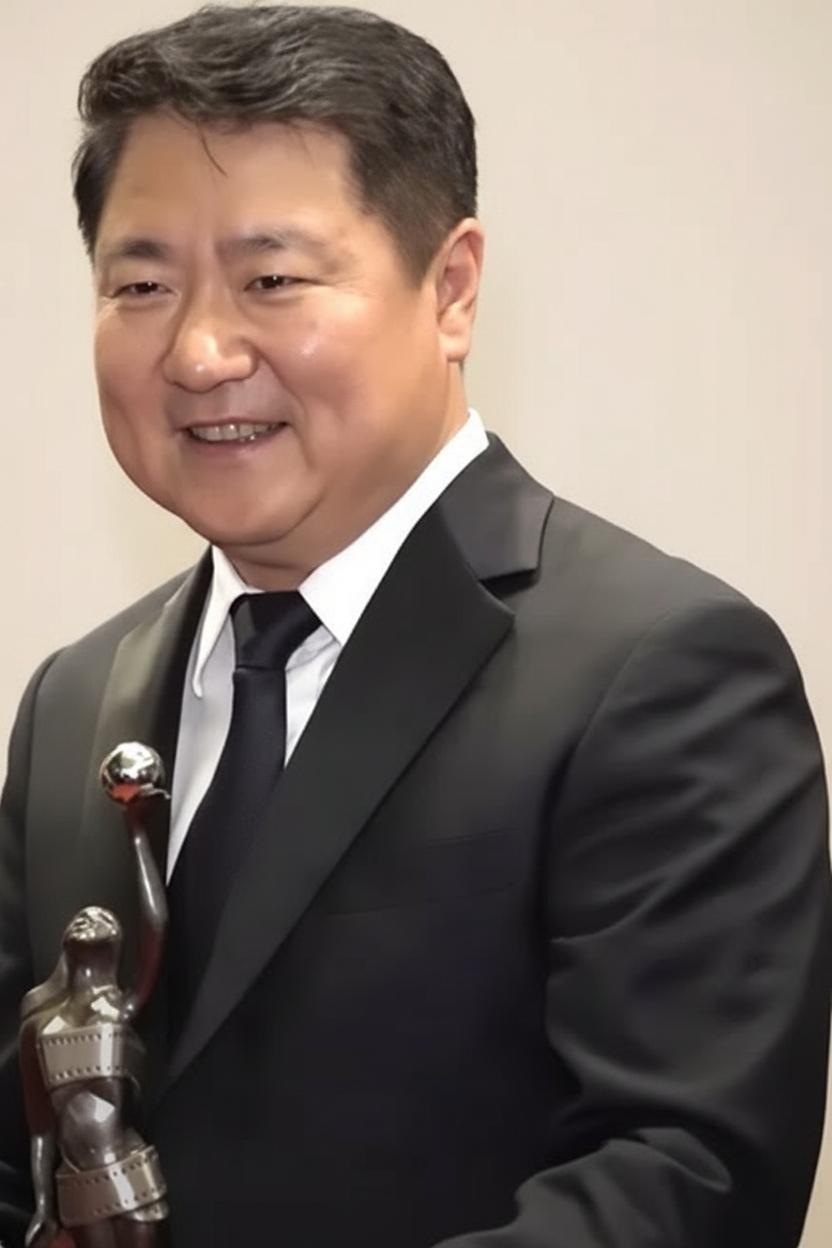
Yu Dong
The architect behind Bona Film Group's rise as a dominant force in Chinese film production and distribution, adept at navigating domestic complexities and forging international partnerships.
Yu Dong is the founder, chairman, and CEO of Bona Film Group, one of China's leading film companies. He transformed an initial distribution venture into a comprehensive studio spanning production, distribution, exhibition, and talent management, playing a pivotal role in the professionalization and globalization of the Chinese film industry.
Biography
Accomplishments
- 01Founded Bona Film Group in 2003 and led its expansion from a pure distribution company into a fully integrated studio covering production, distribution, exhibition, and talent management.
- 02Successfully orchestrated Bona Film Group's IPO on NASDAQ in 2010, making it the first Chinese film company to list in the U.S. market (Bona Film Group, American Depositary Shares, NASDAQ: BONA).
- 03Spearheaded the privatization of Bona Film Group from NASDAQ in 2016, leading a consortium that valued the company at approximately $366 million, strategically positioning it for domestic relisting.
- 04Oversaw the production and distribution of multiple blockbuster films, including 'Operation Mekong' (2016), 'Operation Red Sea' (2018), and 'The Battle at Lake Changjin' (2021), which became China's highest-grossing film at the time of its release.
- 05Formed significant international strategic alliances, such as the 2011 deal with 20th Century Fox for distribution and co-production, and secured investment from major global entities like News Corp.
- 06Developed a robust cinema circuit, Bona Cineplex, contributing significantly to Bona's vertical integration and control over the film value chain in China.
Lessons for Operators
Key Takeaways
Practical lessons distilled for operators, investors, C-levels, and capital allocators.
Integrated Ecosystem Strategy
Yu Dong's success with Bona exemplifies the power of vertical integration in consolidating market share and controlling revenue streams. Expanding from distribution to production, exhibition, and talent management allowed Bona to capture value at every stage of the film lifecycle. For operators, this means considering how to expand upstream or downstream to enhance control and profitability.
Strategic Capital Deployment
Bona's journey from NASDAQ IPO to privatization and potential domestic relisting demonstrates a nimble approach to capital. Yu Dong recognized when an international listing was advantageous for initial capital and global credibility, and when a domestic delisting was necessary to address valuation discrepancies and strategic repositioning. Capital allocators should analyze market conditions and regulatory environments to determine optimal listing strategies.
Content-Centric Growth
Despite formidable business challenges, Yu Dong consistently focused on delivering high-quality, commercially successful content. Blockbusters like 'Operation Red Sea' and 'The Battle at Lake Changjin' illustrate the importance of investing in compelling narratives and strong production teams. C-levels should prioritize core product excellence as the foundation for sustainable growth and brand reputation.
International Collaboration with Local Acumen
Yu Dong proved adept at forging international partnerships (e.g., 20th Century Fox) while maintaining a deep understanding of the local Chinese market's nuances and censorship requirements. This duality allowed Bona to leverage global resources and expertise without alienating its primary audience or regulators. Enterprise leaders should seek partners that complement local strengths and bridge cultural gaps.
Adaptive Market Positioning
Bona's evolution reflects a continuous adaptation to a dynamic industry. From pioneering distribution in nascent markets to mastering big-budget patriotic blockbusters, Yu Dong has consistently repositioned the company to seize emerging opportunities. Investors should look for leadership teams that demonstrate flexibility and foresight in anticipating market shifts.
Frameworks & Principles
Named frameworks and strategic principles they popularized or embodied.
Vertical Integration Model
Expanding control over different stages of an industry's value chain (e.g., from film distribution to production and exhibition). Yu Dong applied this to consolidate Bona's position in the Chinese film market.
When to useWhen operating in fragmented markets, seeking to reduce reliance on third parties, capture more value, or gain competitive advantage through end-to-end control.
Global Capital, Local Market Strategy
Leveraging international capital markets and partnerships for growth and prestige, while maintaining a primary focus on and deep understanding of the local market's cultural, regulatory, and consumer dynamics. Bona's NASDAQ IPO and subsequent privatization exemplify this.
When to useFor companies in large domestic markets with global aspirations, needing to attract international investment without compromising local market relevance or regulatory compliance.
Blockbuster Content Development Strategy
A strategy focused on investing significant resources in a limited number of high-production-value films with broad appeal, often leveraging popular genres or national themes, to achieve substantial box office returns and cultural impact.
When to useIn competitive media markets, especially those with large domestic audiences, where a few highly successful properties can drive disproportionate revenue and brand recognition.
Sources & Further Reading
Profiles, interviews, podcasts, and articles used to compile and verify this entry. Each link opens at the original publisher.
Explore Related Titans
Other figures in the archive who share Yu Dong's domain, geography, or era.
More in Technology









From China







Contemporaries — born 1970s