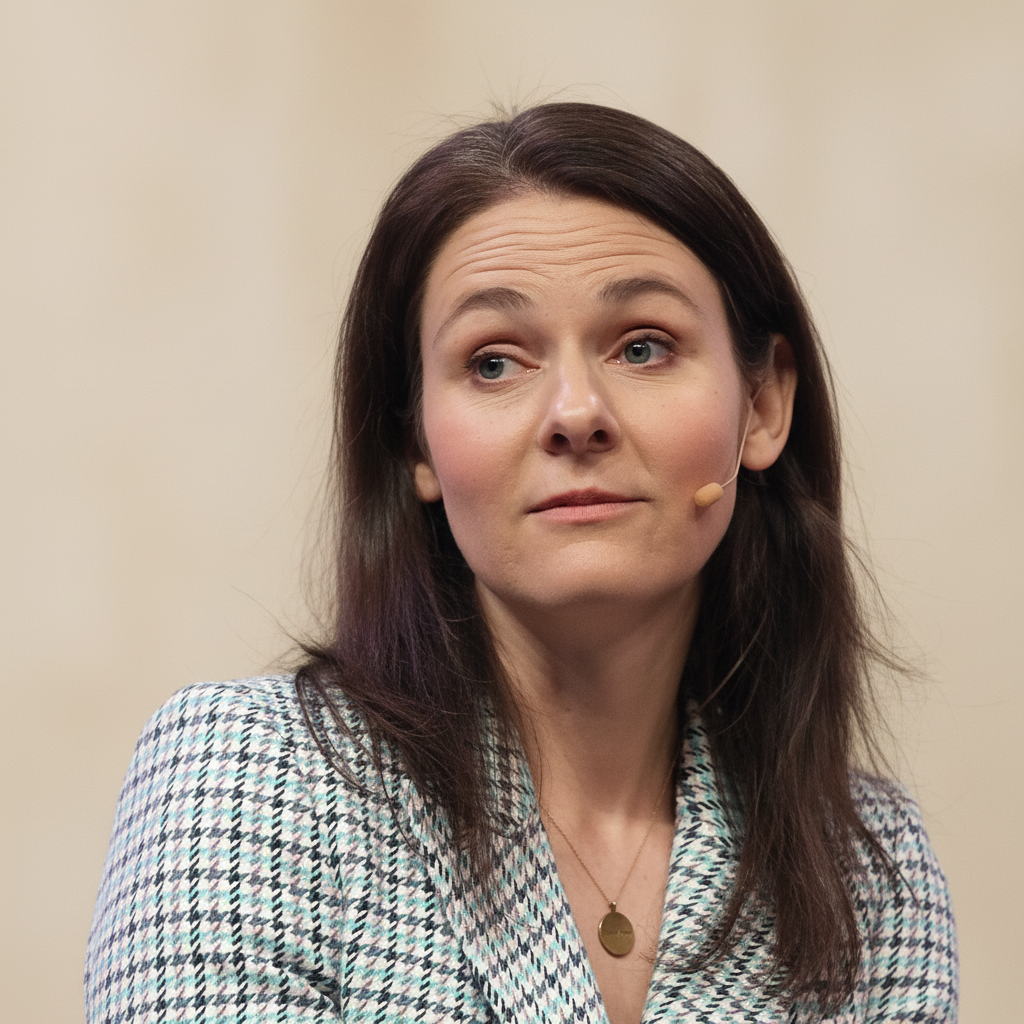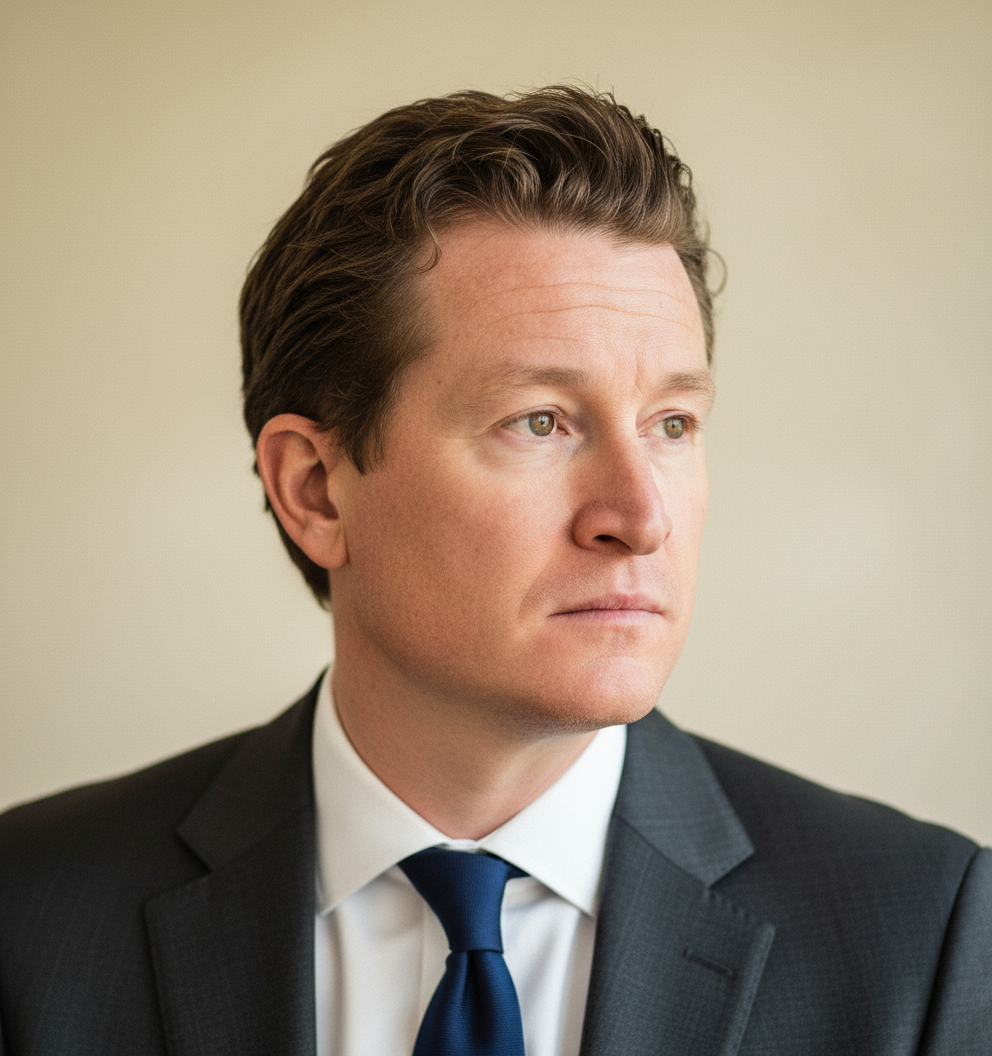
Ryan Gellert
Architect of sustainable growth and values-driven leadership in the outdoor industry.
Ryan Gellert is the CEO of Patagonia, Inc., a role he assumed in September 2020. Educated as an attorney, he previously led Patagonia's EMEA operations for seven years, driving substantial growth while embedding the company's environmental and social mission. His career trajectory uniquely combines legal rigor with commercial leadership in mission-driven enterprises.
Biography
Accomplishments
- 01Spearheaded Patagonia's EMEA expansion from 2014-2020, achieving significant regional growth while upholding the brand's stringent environmental and social standards.
- 02Promoted to CEO of Patagonia in September 2020, succeeding Rose Marcario and continuing the legacy of mission-driven leadership.
- 03Oversaw the transition of Patagonia's ownership structure in September 2022, where company ownership was transferred to a newly formed trust and non-profit organization ('Holdfast Collective'), with all profits dedicated to fighting climate change and protecting wilderness.
- 04Championed initiatives like the 'Worn Wear' program and increased Patagonia's financial contributions to environmental causes, reinforcing the company's commitment to circularity and activism.
- 05Led Patagonia's advocacy efforts for responsible business practices and climate policy, including public stances against governmental actions detrimental to environmental protection.
- 06Successfully navigated global supply chain disruptions and retail challenges during the COVID-19 pandemic while maintaining employee welfare and business integrity.
Lessons for Operators
Key Takeaways
Practical lessons distilled for operators, investors, C-levels, and capital allocators.
Mission as a Strategic Differentiator
Patagonia's sustained success under Gellert demonstrates that a deeply embedded, authentic mission can be a powerful competitive advantage, attracting talent, customers, and partners who align with its values. This transcends mere CSR; it's fundamental to the business model.
Leadership Through Actionable Values
Gellert exemplifies leadership where corporate values translate into tangible actions (e.g., radical ownership change, aggressive environmental advocacy). For operators, this means defining values precisely and then structuring the business to deliver on them, even if disruptive.
The Power of Thoughtful Market Expansion
His success in scaling Patagonia's EMEA operations highlights the importance of strategic, values-aligned expansion. It wasn't just about growth, but about growing 'the right way' in new markets, ensuring brand integrity was maintained and local impact was positive.
Long-Term Vision Over Short-Term Gains
The decision to dedicate all profits to environmental causes under Gellert's leadership is a bold, long-term strategic move. It fundamentally redefines success beyond quarterly earnings, prompting leaders to consider their enterprise's enduring legacy and societal contribution.
Legal Acumen in Executive Leadership
Gellert's legal background underscores how a deep understanding of legal frameworks and policy can be instrumental for CEOs, particularly in navigating complex regulatory environments, driving advocacy, and ensuring ethical corporate governance.
Frameworks & Principles
Named frameworks and strategic principles they popularized or embodied.
Mission-Driven Growth Model
A top-down strategic framework where the core organizational mission (e.g., environmental activism) dictates business decisions, product development, market entry, and financial allocation. Profit is viewed as a means to achieve the mission, not the sole end.
When to useApplicable for organizations aiming to differentiate through strong values, attract purpose-driven talent, and build robust customer loyalty. Requires leadership commitment to potentially foregoing short-term profit maximization for long-term impact.
Stakeholder Capitalism in Practice
Moving beyond rhetoric, this framework involves making explicit business decisions (like Patagonia's ownership transfer) that prioritize the well-being of all stakeholders—employees, customers, suppliers, community, and the environment—over solely shareholder returns.
When to useRelevant for companies seeking to build truly sustainable business models, enhance brand trust, and attract impact investors. Requires innovative governance structures and a willingness to redefine 'success.'
Circular Economy Integration
Implementing strategies to design out waste and pollution, keep products and materials in use, and regenerate natural systems. Examples include repair programs ('Worn Wear'), recycled content, and responsible end-of-life management.
When to useEssential for consumer goods companies, particularly in apparel, electronics, and durables, facing resource scarcity and growing consumer demand for sustainable products. Can result in cost savings, innovation, and enhanced brand reputation.
Sources & Further Reading
Profiles, interviews, podcasts, and articles used to compile and verify this entry. Each link opens at the original publisher.
Explore Related Titans
Other figures in the archive who share Ryan Gellert's domain, geography, or era.
More in Technology








From United States


Contemporaries — born 1970s