Pierre Lagrange
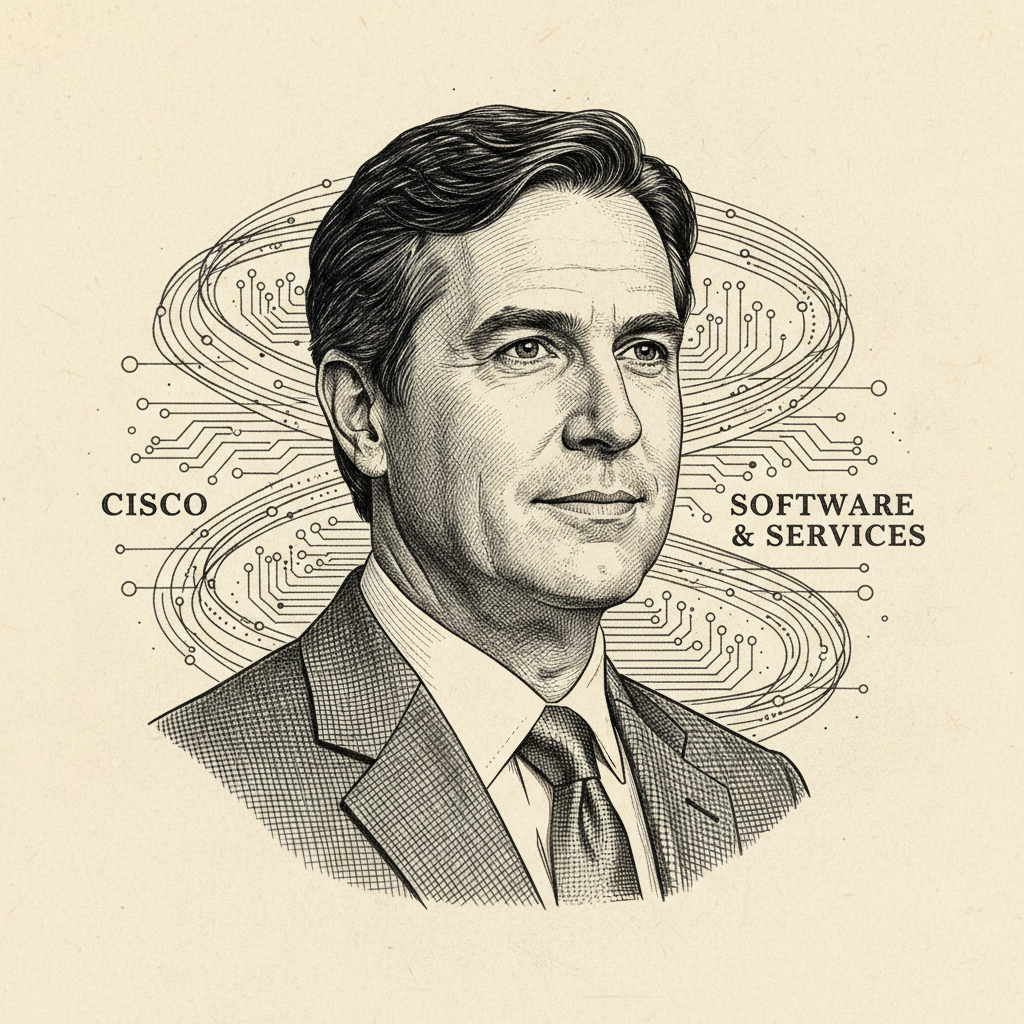
Pierre Lagrange: Co-founder of GLG Partners, architect of a prominent European hedge fund, known for quantitative strategies and market leadership.
Pierre Lagrange is a Belgian economist, financier, and co-founder of GLG Partners, one of Europe's largest hedge funds. He established GLG in 1995 with Noam Gottesman and Jonathan Green, growing it into a multi-billion dollar asset manager before its acquisition by Man Group in 2010. Lagrange specialized in quantitative and systematic investment strategies, leading GLG's European Long-Short Equity fund and contributing to the firm's global expansion and diversified offerings. His career spans significant market cycles, demonstrating adaptability in investment approaches.
Biography
Accomplishments
- 01Co-founded GLG Partners in 1995, growing it from a division of Lehman Brothers into a leading independent European hedge fund.
- 02Successfully navigated GLG Partners through the dot-com bubble and the 2008 financial crisis, demonstrating resilience and strategic adaptation.
- 03Led GLG's European Long-Short Equity fund, achieving significant returns and establishing the firm's reputation for sophisticated quantitative strategies.
- 04Orchestrated GLG's public listing on the New York Stock Exchange in 2007 via a reverse merger, a significant milestone for a hedge fund at the time.
- 05Facilitated the $1.6 billion acquisition of GLG Partners by Man Group in 2010, creating one of the world's largest alternative asset managers.
- 06Served on the Executive Committee of Man Group post-acquisition, integrating GLG's operations and strategies into a larger institutional framework.
- 07Developed robust risk management frameworks within GLG that allowed the firm to manage large AUM through volatile market conditions.
Lessons for Operators
Key Takeaways
Practical lessons distilled for operators, investors, C-levels, and capital allocators.
Quantitative Edge is Enduring
Lagrange's focus on systematic and quantitative strategies provided a consistent, data-driven approach to market analysis and decision-making, offering an edge over purely discretionary methods in certain asset classes.
The Power of Spin-Outs
Transforming an internal division of a large bank into an independent entity can unlock entrepreneurial agility while leveraging the initial institutional support, as demonstrated by GLG's journey from Lehman Brothers.
M&A for Growth and Scale
For asset managers, strategic acquisitions (like Man Group acquiring GLG) can create global powerhouses by combining distinct strengths, distribution networks, and investment capabilities, offering economies of scale.
Crisis as an Opportunity
The ability to withstand and even capitalize on market downturns (e.g., the 2008 financial crisis) is a hallmark of resilient firms. GLG's robust risk management and strategic positioning allowed it to emerge stronger.
Founder Vision to Institutional Legacy
Successful founders not only build a company but also lay the groundwork for its long-term viability, often through institutionalizing processes, diversifying leadership, and planning for eventual transitions.
Beyond Returns: Holistic Value Creation
While investment returns are paramount, Lagrange's trajectory shows that building a sustainable asset management business involves strong governance, client relationships, talent development, and robust infrastructure.
The Importance of Complementary Teams
Founding teams with diverse, complementary skill sets (quantitative, trading, operations, client management) are better equipped to build comprehensive and resilient businesses from the ground up.
Frameworks & Principles
Named frameworks and strategic principles they popularized or embodied.
Quantitative Factor Investing
Utilizing statistical models and algorithms to identify and exploit persistent factors (e.g., value, momentum, quality, size) that drive asset returns, rather than relying solely on fundamental analysis or market timing.
When to useApplicable for developing systematic investment strategies, managing large portfolios efficiently, reducing emotional bias in trading, and identifying long-term return drivers across various asset classes.
Long-Short Equity Strategy
An investment strategy involving taking long positions in stocks expected to appreciate and short positions in stocks expected to decline, aiming to generate profits regardless of overall market direction (market-neutral component).
When to useEffective in volatile or sideways markets, for active portfolio management, and for funds seeking to deliver absolute returns with lower correlation to traditional market benchmarks. Requires sophisticated stock picking and risk management.
Integrated Risk Management (IRM)
A holistic approach to identifying, assessing, managing, and monitoring all types of risks (market, credit, operational, liquidity, reputational) across an entire organization, ensuring risk strategies align with business objectives.
When to useEssential for financial institutions, hedge funds, and large corporations to maintain financial stability, comply with regulations, protect assets, and ensure operational continuity, especially in dynamic market environments.
Strategic Growth Through M&A
Utilizing mergers and acquisitions as a primary tool for accelerating growth, gaining market share, acquiring new capabilities or technologies, entering new markets, and achieving economies of scale.
When to useSuitable when organic growth alone is insufficient, when facing competitive pressures, seeking to diversify offerings, or aiming to consolidate market leadership in mature or consolidating industries.
Recent Appearances
Latest interviews, keynotes, and press from the past half year.
 youtube.com
 youtube.com
 youtube.com
 youtube.com
 youtube.com
 youtube.com
 youtube.com
 youtube.com
 youtube.com
 youtube.com
 youtube.com
 youtube.com
 youtube.com
 youtube.com
 youtube.com
 youtube.com
 youtube.com
 youtube.comm.youtube.com
 youtube.com
 youtube.com
Sources & Further Reading
Profiles, interviews, podcasts, and articles used to compile and verify this entry. Each link opens at the original publisher.
Explore Related Titans
Other figures in the archive who share Pierre Lagrange's domain, geography, or era.
More in Finance & Investing









From Belgium

Contemporaries — born 1960s