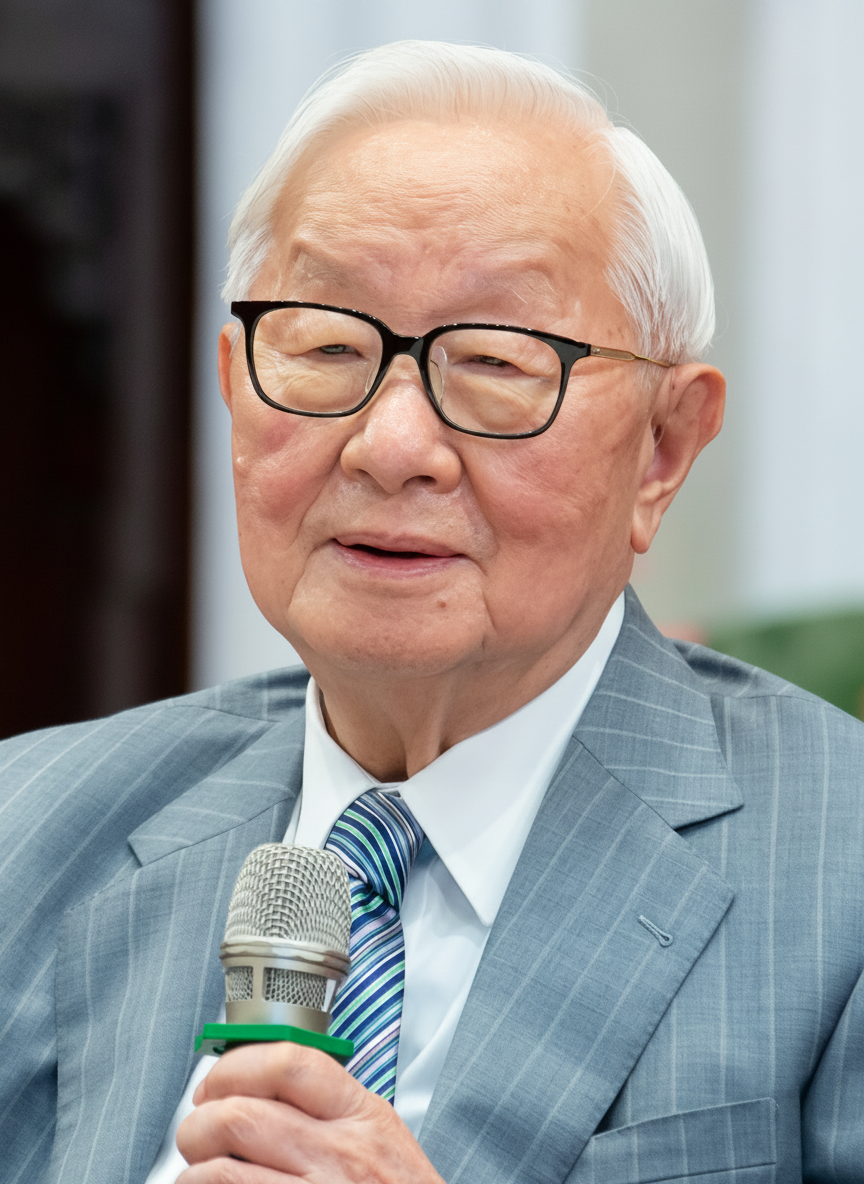
Morris Chang
The visionary founder of TSMC, architect of the pure-play foundry model, and pioneer instrumental in the global semiconductor industry's structure.
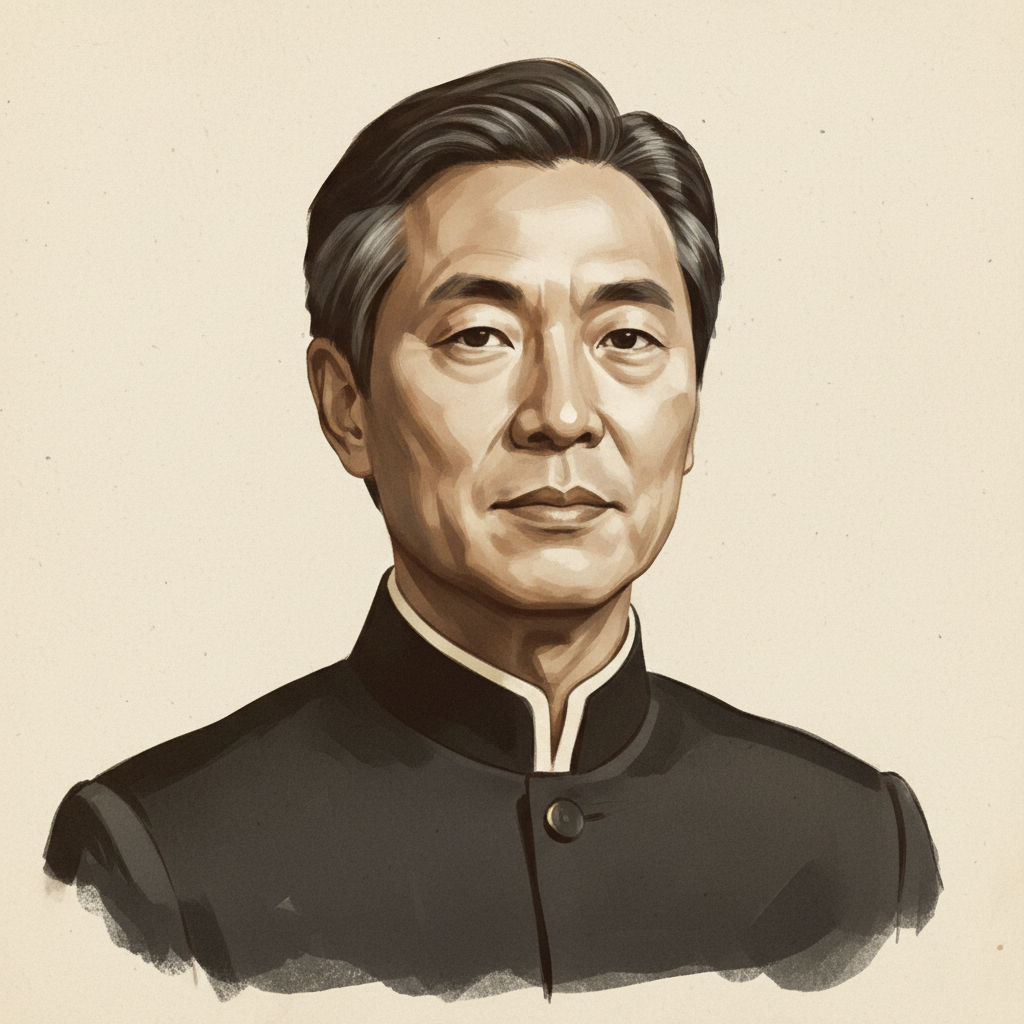
Morris Chang is a semiconductor industry titan, best known for founding Taiwan Semiconductor Manufacturing Company (TSMC) in 1987. His revolutionary pure-play foundry business model democratized semiconductor innovation by providing dedicated chip manufacturing services without competing with clients. This model became foundational to the fabless design ecosystem, propelling countless startups and established tech firms to market without the prohibitive cost of owning fabs.
Biography
Accomplishments
- 01Founded Taiwan Semiconductor Manufacturing Company (TSMC) in 1987, pioneering the 'pure-play' semiconductor foundry model.
- 02Led TSMC to become the world's largest dedicated independent semiconductor foundry, with a global market share exceeding 50% by 2023.
- 03Instrumental in the development of the fabless semiconductor ecosystem, enabling countless design-focused companies (e.g., Qualcomm, Nvidia, Apple) to thrive without capital-intensive manufacturing facilities.
- 04Grew TSMC's revenue from $306 million in 1993 (when it went public) to over $75 billion in 2022, solidifying its position as a global technology powerhouse.
- 05Successfully navigated numerous industry downturns and technological shifts, consistently investing in cutting-edge process technology ahead of competitors like Intel Foundry.
- 06Guided TSMC through its initial public offering on the Taiwan Stock Exchange in 1994 and its listing on the New York Stock Exchange (NYSE) in 1997.
Lessons for Operators
Key Takeaways
Practical lessons distilled for operators, investors, C-levels, and capital allocators.
The Power of Specialization
By focusing solely on manufacturing and eschewing chip design, TSMC eliminated competitive friction with potential clients, allowing it to aggregate demand and achieve economies of scale far beyond what any single IDM could. This 'pure-play' model fueled the rise of the fabless semiconductor industry.
Capitalizing on Capital Intensity
Chang recognized that semiconductor manufacturing was becoming too capital-intensive for many companies. His strategy was to pool that capital and technology into a dedicated foundry, providing access to leading-edge processes for a wide array of customers who couldn't afford their own fabs. This foresight created a competitive moat built on scale and efficiency.
Strategic Patience and Long-Term Investment
TSMC's success wasn't instantaneous; it required decades of reinvestment, particularly in advanced R&D and manufacturing capacity. Chang's commitment to long-term technology leadership, often through economic cycles, set TSMC apart and enabled its current dominance in advanced node production.
Ecosystem Orchestration
Chang didn't just build a company; he fundamentally reshaped an industry ecosystem. By providing a reliable, advanced manufacturing partner, TSMC enabled the proliferation of fabless companies, accelerating innovation and competition in chip design, which in turn drove demand for TSMC's services.
Geopolitical Significance of Industrial Policy
TSMC's founding was a deliberate act of industrial policy by the Taiwanese government. Chang leveraged initial government investment and ongoing support to build a company that became not just a commercial success but a cornerstone of Taiwan's national security and global economic leverage, demonstrating the power of targeted state support for strategic industries.
Frameworks & Principles
Named frameworks and strategic principles they popularized or embodied.
Pure-Play Foundry Model
A business model where a company specializes solely in manufacturing chips for other design-focused companies, rather than designing and selling its own chips. This avoids conflict of interest and allows for dedicated, scaled-up manufacturing capacity.
When to useApplicable when a highly capital-intensive, technologically complex manufacturing process can be separated from product design. Ideal for industries where a neutral, high-volume production partner can accelerate innovation for multiple clients, reducing their barriers to entry.
Horizontal Specialization Strategy
An organizational and industry strategy focusing on excelling in one specific stage of a value chain (e.g., design, manufacturing, assembly, marketing) rather than attempting to control all stages vertically. This allows companies to achieve deep expertise and economies of scale within their specialized function.
When to useEffective in mature or maturing industries with complex value chains, where technology is advancing rapidly, and capital requirements for vertical integration are prohibitive. Promotes efficiency and innovation by allowing specialized firms to focus resources.
Strategic Technology Roadmapping
A process of defining a company's technology needs, aligning R&D investments with long-term business goals, and anticipating future market and technological shifts (e.g., Moore's Law). Morris Chang famously emphasized TSMC's multi-generational technology roadmap to stay ahead.
When to useCrucial for technology-intensive industries with long development cycles and high R&D costs. Helps ensure that capital expenditure and intellectual property development are strategically aligned to meet future market demands and maintain competitive advantage.
Explore Related Titans
Other figures in the archive who share Morris Chang's domain, geography, or era.
More in Technology





Contemporaries — born 1930s