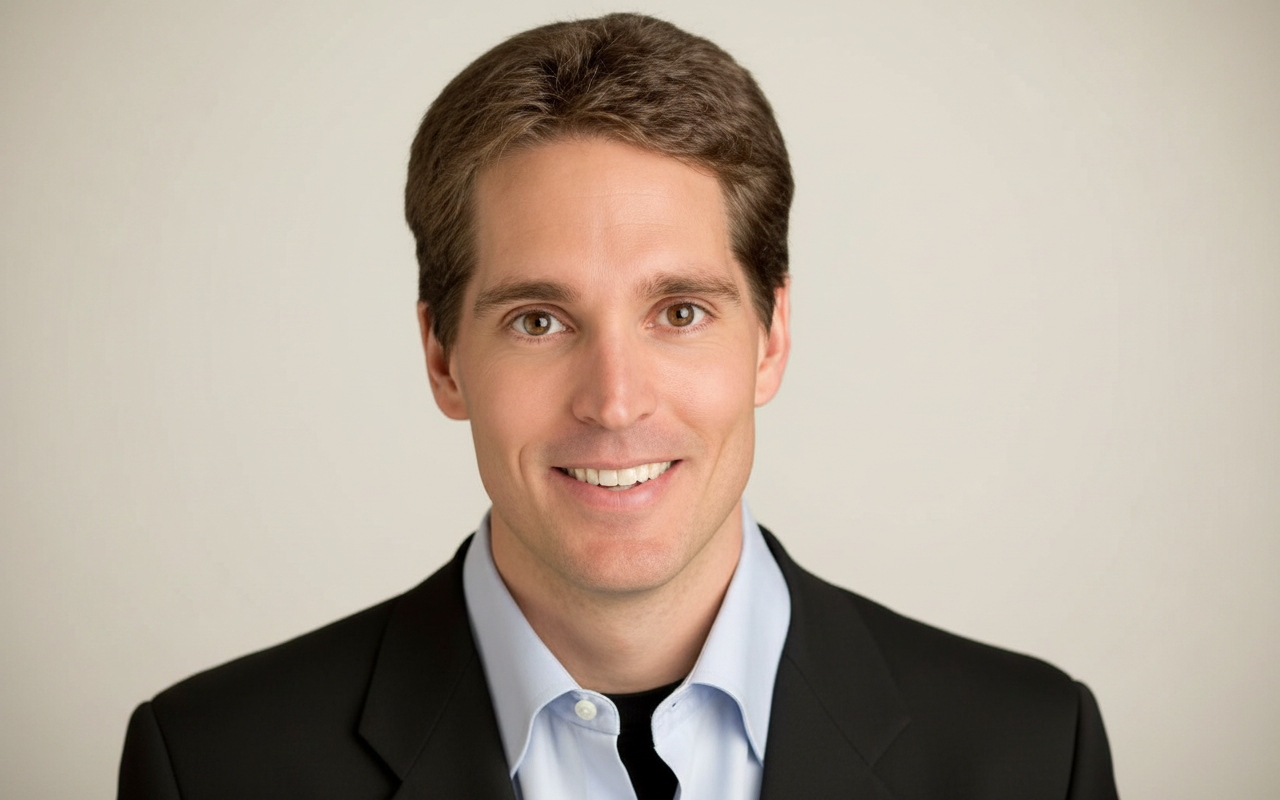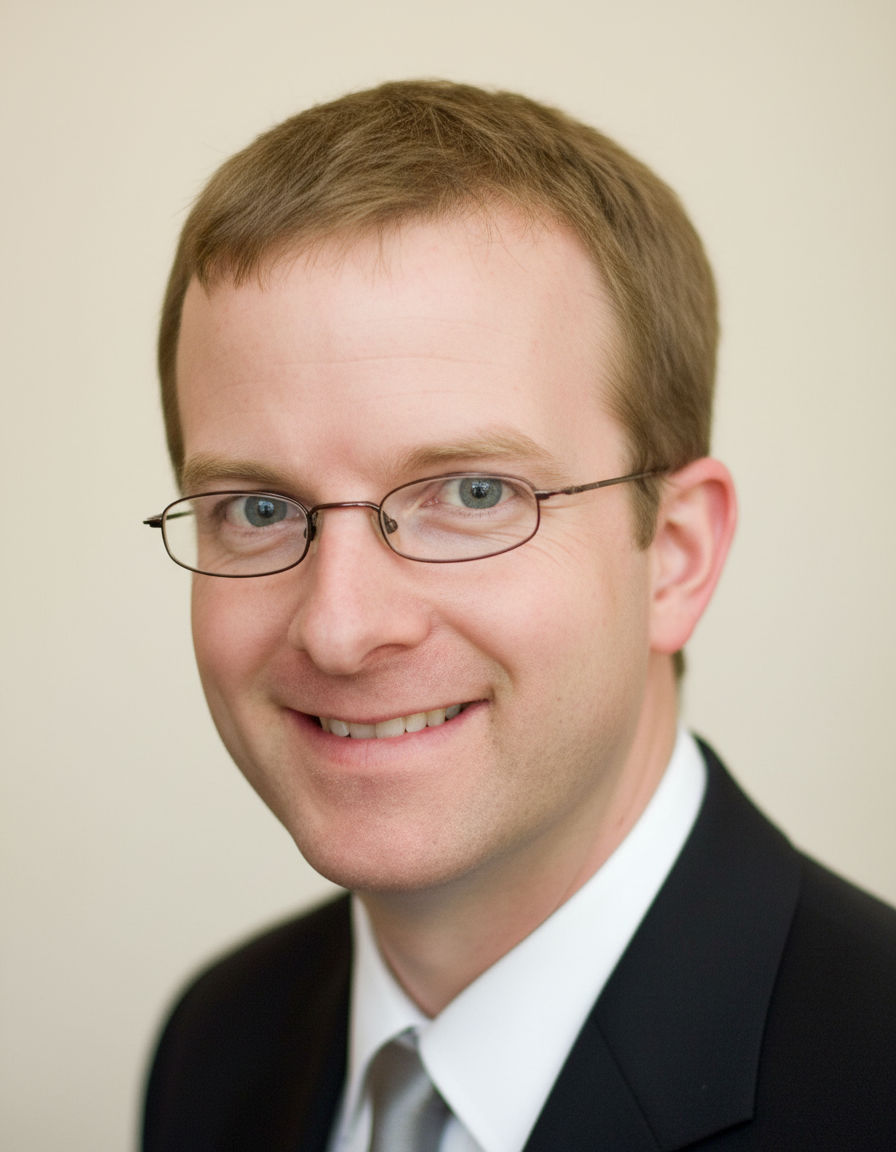
Mike Schroepfer
Architect of Scale: From Browser Security to Meta's AI-driven Future.
Mike Schroepfer is an American technology executive and investor. Best known for his tenure as Chief Technology Officer (CTO) at Facebook (now Meta Platforms) from 2013 to 2022, he played a pivotal role in scaling Facebook's infrastructure, spearheading its AI initiatives, and laying the technical groundwork for the metaverse. Prior to Meta, he held significant engineering leadership roles at Mozilla and Sun Microsystems.
Biography
Accomplishments
- 01Served as CTO of Facebook (Meta Platforms) from 2013 to 2022, overseeing technical strategy for AI, VR/AR, and global infrastructure supporting billions of users.
- 02Led the establishment and growth of Facebook AI Research (FAIR) starting in 2013, which became a leading global AI research institution.
- 03Successfully scaled Facebook's infrastructure and engineering organization through periods of hyper-growth and complex acquisitions (e.g., Instagram, WhatsApp).
- 04Played a critical role in the development and market adoption of the Firefox browser as VP of Engineering at Mozilla, enhancing its security and performance.
- 05Transitioned Facebook's technical strategy towards an AI-first approach, integrating machine learning across core products and services.
- 06Championed internal research and development into virtual reality (VR) and augmented reality (AR), laying the technical groundwork for Meta's metaverse vision.
Lessons for Operators
Key Takeaways
Practical lessons distilled for operators, investors, C-levels, and capital allocators.
Invest Early in Foundational Tech
Schroepfer's establishment of FAIR well over a decade ago provided Facebook (Meta) a sustained lead in AI, demonstrating that long-term strategic investments in core technologies yield profound competitive advantages. Operators should identify emerging foundational technologies relevant to their future and allocate resources to internal R&D or strategic partnerships ahead of the curve.
Scale Infrastructure Proactively
His oversight of Facebook's infrastructure during periods of exponential growth underscores the necessity of designing systems for scale and anticipating future demand. For C-levels and enterprise leaders, this means continually re-evaluating architectural decisions, investing in scalable systems, and building robust DevOps/CloudOps practices before resource constraints become blockers.
CTO as a Strategic Visionary
Schroepfer's role extended far beyond managing engineering teams; he was a key architect of Meta's future, particularly in AI, VR, and AR. This highlights that a modern CTO must be a strategic partner to the CEO, capable of articulating a long-term technical vision that aligns with and enables business objectives. Fund managers should look for companies with CTOs who possess this strategic foresight.
Cultivate a Research-Driven Culture
His focus on fostering a strong research culture, evident in FAIR's success, illustrates that innovation often stems from dedicated, long-term scientific inquiry. Companies need to allocate resources, protect research teams from short-term product pressures, and encourage a culture of publication and open collaboration where appropriate, to attract and nurture top scientific talent.
Seamless Transition Planning
His transition from CTO to Senior Fellow at Meta demonstrates the value of retaining institutional knowledge and technical leadership expertise, even when roles change. This type of strategic succession planning ensures continuity, allows for specialized contributions, and provides mentorship for new leadership, which is critical for large, complex organizations.
The Power of Platform Thinking
From Facebook's core social network to its ambitions in the metaverse, Schroepfer consistently focused on building platforms upon which others could innovate. This platform-centric approach, whether internal or external facing, creates network effects and expands the ecosystem around a company's core offerings. Investors should assess a company's 'platform moat'.
Frameworks & Principles
Named frameworks and strategic principles they popularized or embodied.
AI-First Development Paradigm
A strategic approach where artificial intelligence and machine learning are not merely features but fundamental to product development, infrastructure optimization, and business strategy. It involves integrating AI capabilities into every layer, from user experience to backend operations.
When to useWhen a company aims to leverage data and advanced algorithms for competitive advantage, personalize user experiences, automate complex processes, or solve previously intractable problems at scale (e.g., content moderation, recommender systems).
Long-Term Foundational Research Investment
Committing significant capital and resources to basic and applied research in cutting-edge technologies, often without immediate commercial application, to build future capabilities and intellectual property. This differs from short-term product-driven R&D.
When to useApplicable for companies looking to establish long-term technological leadership, create new markets, or defend against future disruption by investing in areas like quantum computing, advanced materials, or general AI, years before market readiness.
Scalable Systems Architecture
Designing and implementing technical systems (software, hardware, network) that can seamlessly expand to handle increasing workloads, user bases, and data volumes without significant re-architecture or performance degradation.
When to useEssential for any high-growth technology company, internet service provider, or enterprise operating at scale where user growth, data processing, or computational demands are expected to increase exponentially. It's a foundational principle for resilience and cost-efficiency.
Sources & Further Reading
Profiles, interviews, podcasts, and articles used to compile and verify this entry. Each link opens at the original publisher.
Explore Related Titans
Other figures in the archive who share Mike Schroepfer's domain, geography, or era.
More in Technology






From United States


Contemporaries — born 1970s