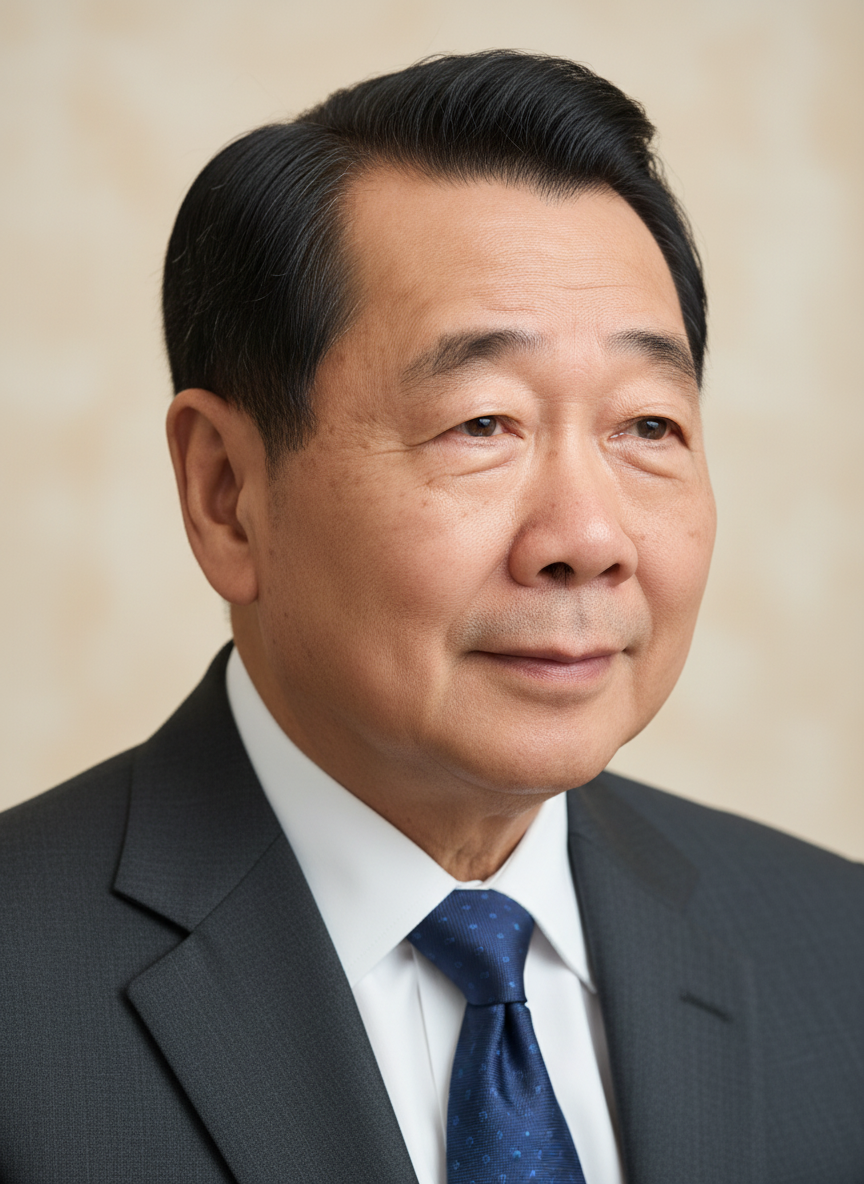
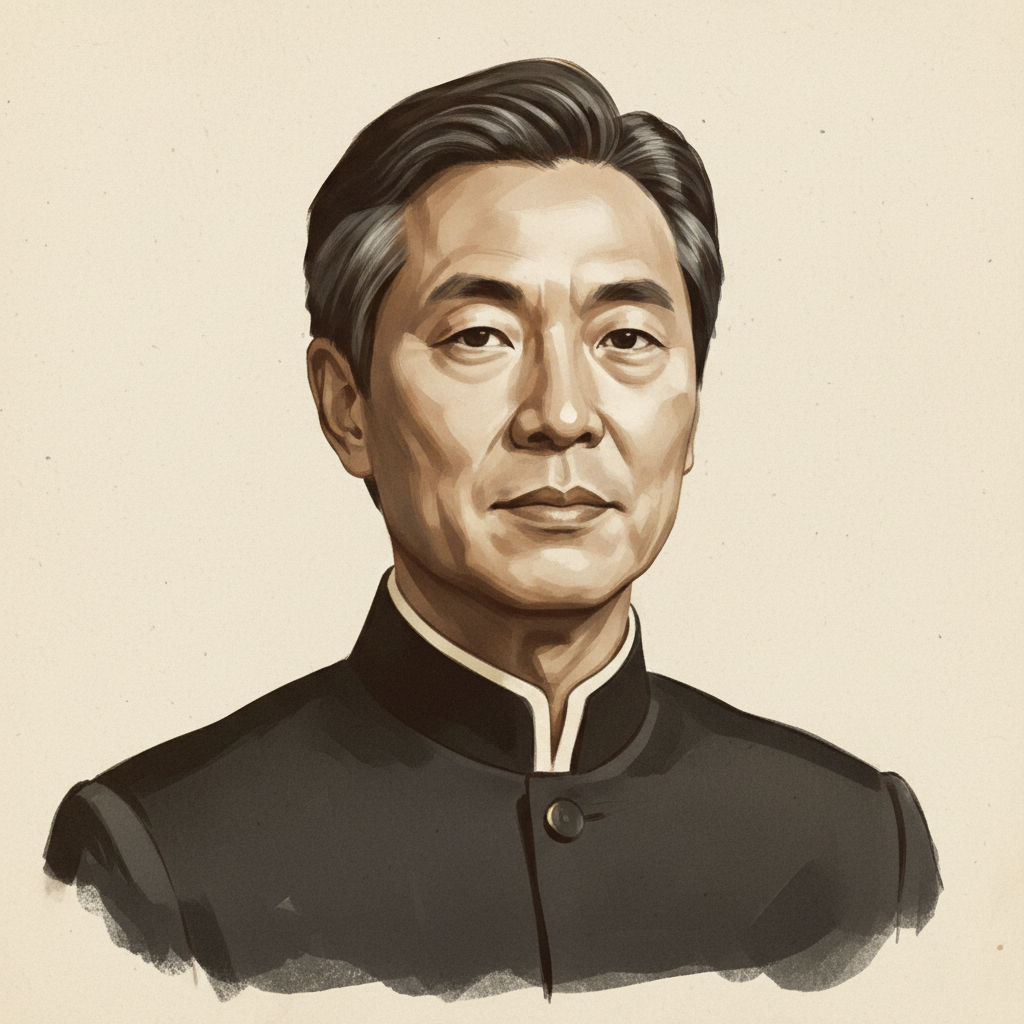
Dhanin Chearavanont
Dhanin Chearavanont: Architect of a Thai multinational conglomerate, leveraging vertical integration and strategic diversification across agribusiness, retail, and telecommunications.
Dhanin Chearavanont transformed Charoen Pokphand (CP) Group from a small feed mill into one of Thailand's largest conglomerates, with extensive operations spanning agribusiness, retail (7-Eleven, Makro), telecommunications (True Corporation), and finance across multiple continents. His strategic vision established CP as a dominant force in emerging markets, particularly China.
Biography
Accomplishments
- 01Transformed CP Group from a local feed producer into a global conglomerate with over $80 billion in revenue, operating across 20 countries.
- 02Pioneered foreign investment in China, establishing Chia Tai Co. in 1979, becoming one of the largest foreign investors in the country's agribusiness sector.
- 03Introduced modern retail concepts to Thailand, notably bringing the 7-Eleven franchise in 1989 and acquiring Makro in 2013, significantly impacting consumer markets.
- 04Established True Corporation (initially TelecomAsia) in 1990, building it into a leading telecommunications provider in Thailand, challenging incumbents.
- 05Successfully navigated multiple economic crises, including the 1997 Asian Financial Crisis, by strategically divesting non-core assets and refocusing on core strengths.
- 06Orchestrated a seamless leadership transition in 2017, passing the CEO and Chairman roles to his sons while retaining a strategic oversight role as Senior Chairman.
Lessons for Operators
Key Takeaways
Practical lessons distilled for operators, investors, C-levels, and capital allocators.
Geographic Expansion Strategy
Identify and prioritize emerging markets with high growth potential and favorable policy environments. CP Group's early and sustained commitment to China, Vietnam, and other Southeast Asian nations allowed it to capture significant market share before major global competitors.
Diversification Approach
Diversify judiciously, ensuring new ventures either complement existing operations, exploit synergies, or provide strategic hedges against market volatility. CP's expansion into retail and telecommunications, while distinct, often served to enhance its core food and agricultural businesses (e.g., selling CP products in 7-Eleven).
Operational Excellence through Vertical Integration
Implement comprehensive vertical integration to optimize cost structures, ensure quality control, and build resilient supply chains. This minimizes external dependencies and boosts margins across the entire value chain, from raw materials to end-consumer sales.
Capital Allocation Discipline
Allocate capital strategically to reinforce core businesses and fund high-potential growth areas. During downturns, divest non-core or underperforming assets to strengthen the balance sheet, as demonstrated during the Asian Financial Crisis.
Leadership Succession Planning
Establish a clear and well-managed succession plan, especially for family-owned businesses, to ensure leadership continuity, preserve institutional knowledge, and maintain stakeholder confidence upon leadership transitions.
Frameworks & Principles
Named frameworks and strategic principles they popularized or embodied.
Market Pioneer Strategy
Being among the first international entities to enter a high-potential, underserved market. This allows for establishing strong foundational relationships, understanding local nuances, and securing prime market positions before significant competition arrives.
When to useWhen entering emerging markets with significant untapped potential, favorable regulatory shifts, and a credible long-term growth outlook. Requires significant risk tolerance and patient capital.
Total Value Chain Control (Vertical Integration)
A business strategy where a company owns or controls multiple stages of its production and distribution process. For CP, this meant controlling everything from animal feed production to farming, food processing, and retail distribution.
When to useApplicable for industries where quality control, cost efficiency, supply chain stability, and brand consistency are paramount, or where reducing reliance on external suppliers provides a significant competitive advantage.
Hub-and-Spoke Diversification
A diversification model where a core business (the hub) expands into related or synergistic sectors (the spokes), leveraging existing capabilities, infrastructure, or market insights to reduce risk and maximize cross-segment synergies.
When to useWhen exploring growth opportunities beyond the core business, especially when adjacent industries can benefit from existing operational expertise, distribution networks, or customer bases. Requires careful assessment of synergy potential.
Sources & Further Reading
Profiles, interviews, podcasts, and articles used to compile and verify this entry. Each link opens at the original publisher.
Explore Related Titans
Other figures in the archive who share Dhanin Chearavanont's domain, geography, or era.
More in Technology








From Thailand


Contemporaries — born 1930s