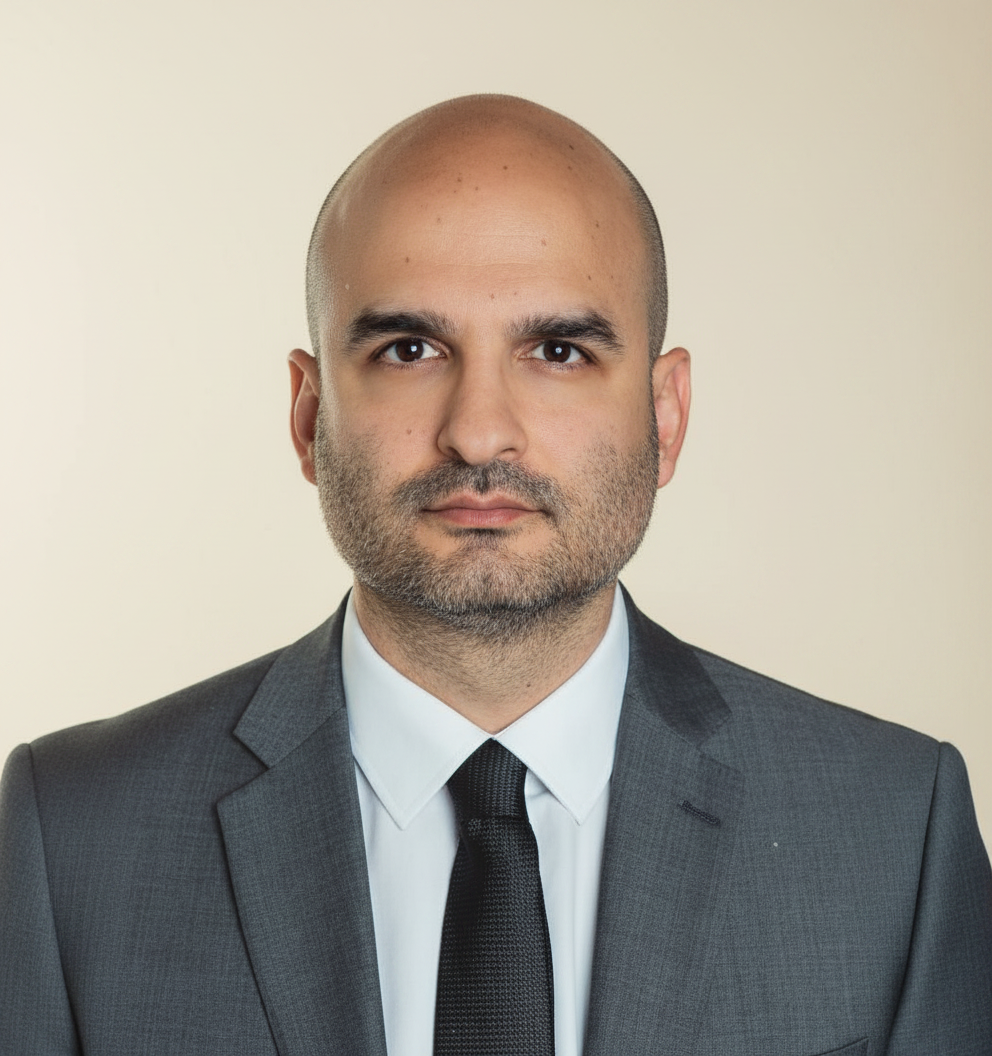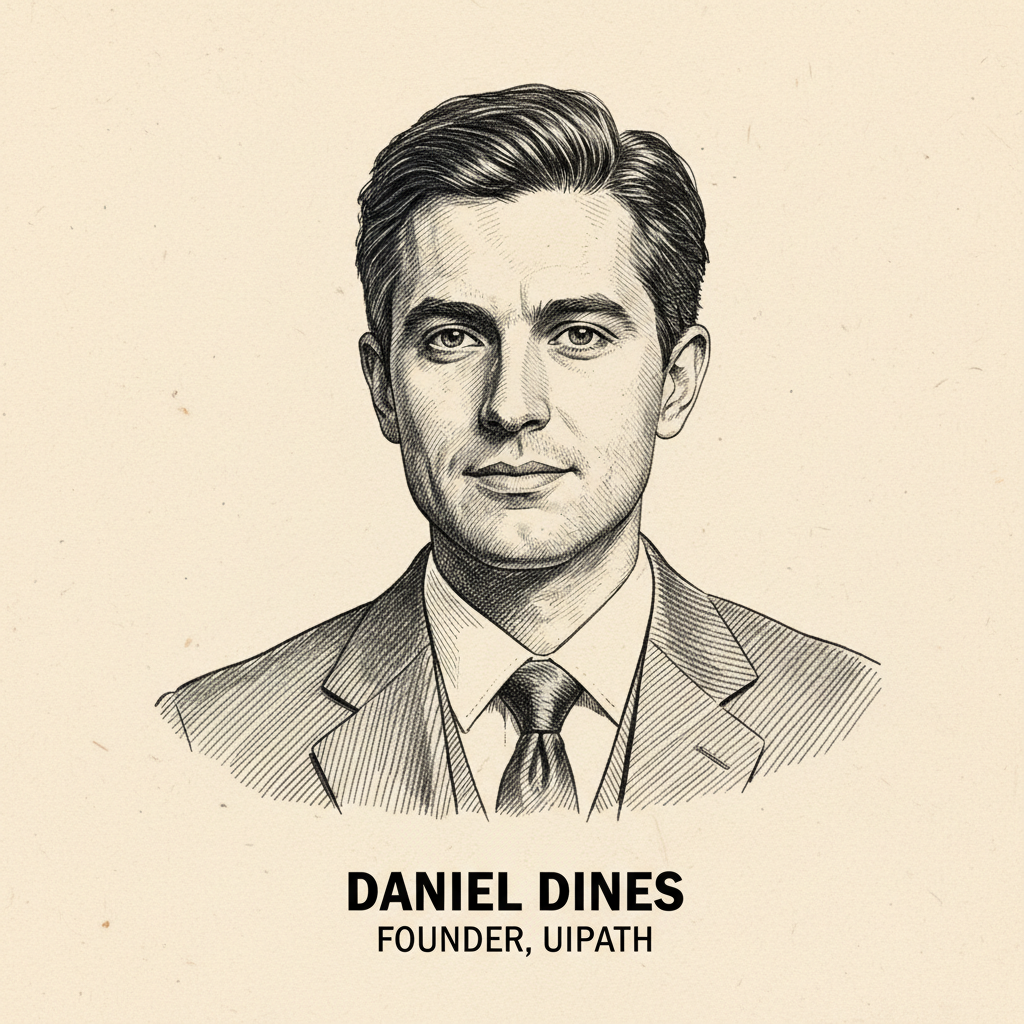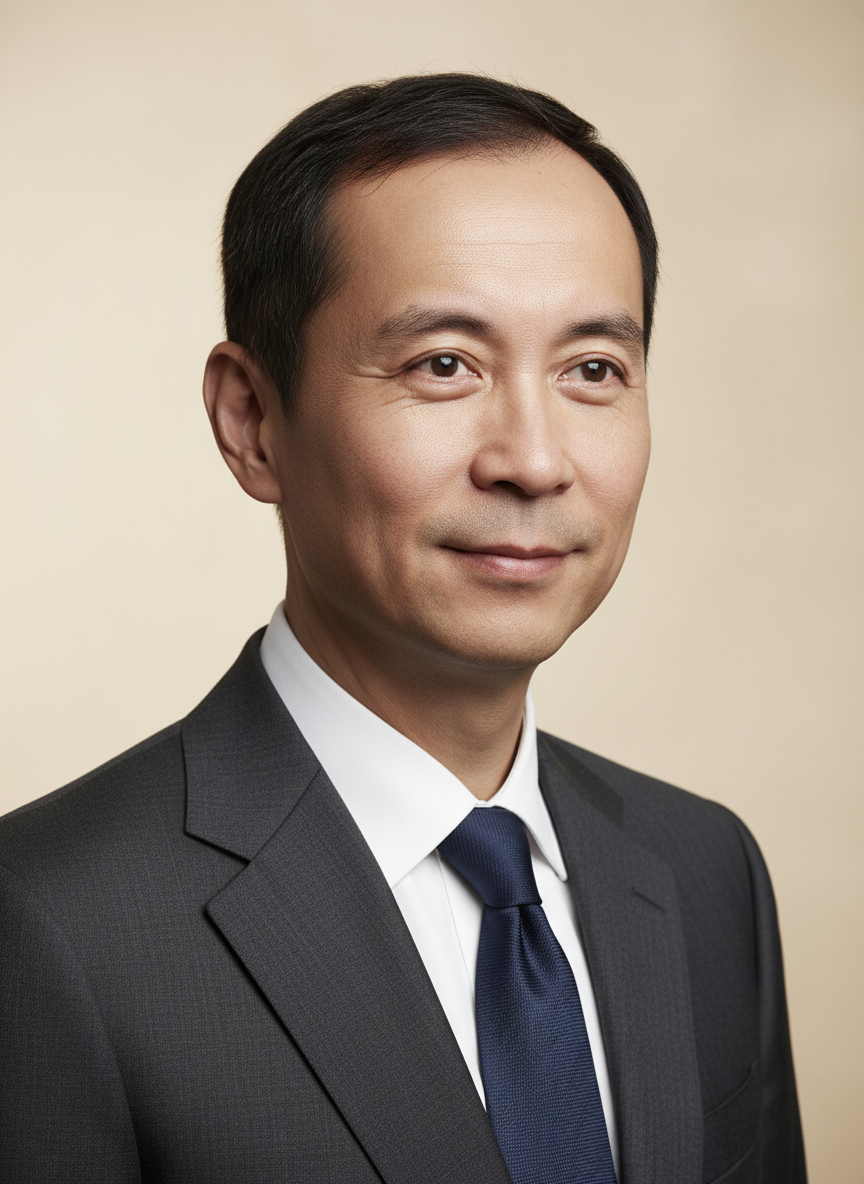
Daniel Zhang
Architect of Alibaba's New Retail strategy and steadfast leader through complex market transitions.
Daniel Zhang is a pivotal figure in Alibaba's evolution. Joining Alibaba in 2007 as CFO of Taobao, he rapidly ascended, becoming CEO of Tmall in 2011, then COO of Alibaba Group in 2013, and ultimately CEO in 2015 and Chairman in 2019. Zhang is credited as the architect of Alibaba's 'New Retail' strategy, integrating online and offline commerce. He led Alibaba through significant growth phases, strategic divestitures, and a recent restructuring into six independent business units, demonstrating adaptability and a commitment to innovation in a dynamic Chinese tech landscape.
Biography
Accomplishments
- 01Architected and implemented Alibaba's 'New Retail' strategy, integrating online and offline commerce through initiatives like Freshippo (Hema) supermarkets and the acquisition of Intime Retail.
- 02Transformed 'Singles' Day' (11.11) into the world's largest annual shopping festival, generating record-breaking sales and global participation.
- 03Led Alibaba Group as CEO (2015-2023) and Chairman (2019-2023), overseeing significant expansion in cloud computing (Alibaba Cloud), logistics (Cainiao), and international e-commerce.
- 04Guided Alibaba through its transition from founder-led management (Jack Ma) to professional management, maintaining strategic direction and growth momentum.
- 05Initiated and oversaw the major corporate restructuring of Alibaba Group in 2023, dividing it into six independent business groups to enhance market competitiveness and unlock value.
- 06Championed technological innovation within Alibaba, particularly in data-driven commerce and cloud infrastructure, cementing Alibaba's position as a leading tech conglomerate.
- 07Successfully diversified Alibaba's revenue streams beyond traditional e-commerce, strengthening its presence in cloud services, digital media, and local consumer services.
Lessons for Operators
Key Takeaways
Practical lessons distilled for operators, investors, C-levels, and capital allocators.
The 'New Retail' Paradigm
Zhang's vision integrated digital technology with traditional brick-and-mortar retail, creating seamless online-to-offline customer experiences. This emphasizes data-driven personalization, efficient logistics, and technology-enhanced physical stores (e.g., Freshippo).
Scalable Innovation
His leadership transformed Singles' Day into a global phenomenon, demonstrating the ability to innovate and execute complex, high-volume operations. This highlights the importance of robust technological infrastructure and meticulous planning for large-scale initiatives.
Strategic Evolution
Zhang successfully transitioned Alibaba from a founder-led company to one with professional management, navigating intense market competition and regulatory challenges by fostering a culture of adaptability and strategic restructuring.
Decentralization for Agility
The 2023 restructuring into six independent business units underscores a belief that decentralized decision-making and focused business groups can drive greater efficiency, market responsiveness, and unlock value in diverse segments like cloud, logistics, and commerce.
Cloud as a Core Business
Zhang's direct leadership of Alibaba Cloud Intelligence post-CEO transition signals the immense strategic importance of cloud computing as a foundational technology and significant revenue driver for future growth, moving beyond traditional e-commerce.
Long-Term Vision in a Dynamic Market
Despite short-term pressures and market shifts, Zhang consistently pursued long-term strategic objectives, such as ecosystem development and diversification into high-growth areas, positioning Alibaba for sustained relevance.
Frameworks & Principles
Named frameworks and strategic principles they popularized or embodied.
New Retail Strategy
A paradigm that merges online and offline shopping experiences through technology, logistics, and data analytics. It focuses on blurring the lines between physical and digital commerce to create a seamless, personalized customer journey.
When to useApplicable for businesses looking to modernize their retail operations, integrate e-commerce with physical stores, enhance customer experience through data, and optimize supply chains for omnichannel fulfillment.
Ecosystem Business Model
Developing interconnected services (e-commerce, logistics, payments, cloud, media) that reinforce and feed into each other, creating a sticky and defensible platform. Each component adds value to and draws value from the others.
When to useSuitable for organizations aiming to expand their market reach, increase customer lifetime value, and build competitive moats by offering a comprehensive suite of interdependent services rather than isolated products.
Decentralized Business Unit Structure
Dividing a large conglomerate into several independent or semi-independent business groups, each with its own management, P&L, and strategic focus, often with an intent towards separate public listings or enhanced agility.
When to useEffective for large, diversified companies facing complex market dynamics, intense competition, or regulatory scrutiny. It can unlock value, improve market responsiveness, and allow for specialized leadership attention to distinct business lines.
Data-Driven Operational Optimization
Leveraging big data and analytics to inform strategic decisions, optimize operational processes (e.g., logistics, inventory management), personalize customer experiences, and identify new growth opportunities.
When to useEssential for any modern enterprise seeking to improve efficiency, reduce costs, enhance customer satisfaction, and gain a competitive edge by making informed decisions based on real-time insights.
Recent Appearances
Latest interviews, keynotes, and press from the past half year.
 youtube.com
 youtube.com
 youtube.com
 youtube.com
 youtube.com
 youtube.com
 youtube.com
 youtube.com
 youtube.com
 youtube.com
 youtube.com
 youtube.com
 youtube.com
 youtube.com
 youtube.com
 youtube.com
 m.youtube.com
 youtube.com
 youtube.com
Sources & Further Reading
Profiles, interviews, podcasts, and articles used to compile and verify this entry. Each link opens at the original publisher.
Explore Related Titans
Other figures in the archive who share Daniel Zhang's domain, geography, or era.
More in Technology






From China



Contemporaries — born 1970s