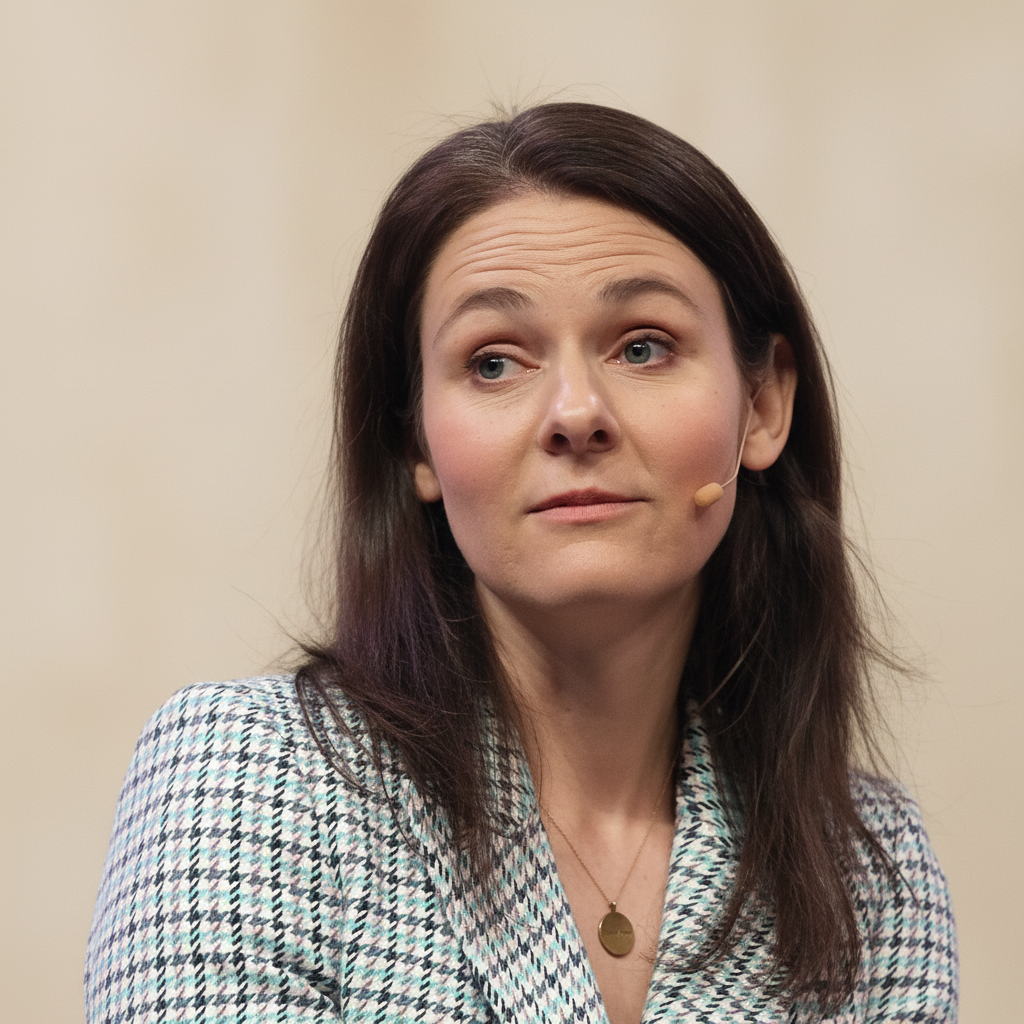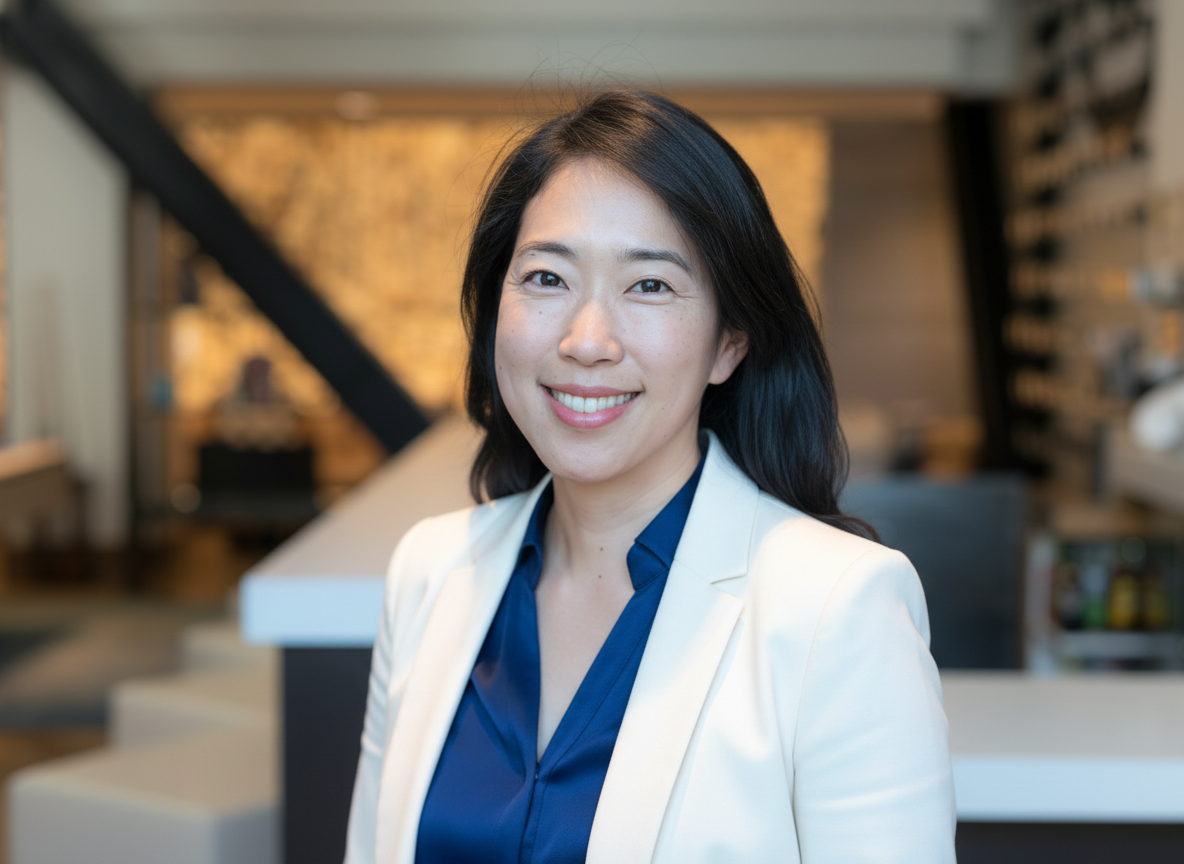
Ann Miura-Ko
Co-founding partner at Floodgate, specializing in company-building from inception and an influential educator in technology entrepreneurship.
Ann Miura-Ko is a co-founding partner at Floodgate, a seed-stage venture capital firm that has backed companies like Lyft, Twitter, and Okta. Known as 'the most powerful woman in startups' by Forbes, she holds a Ph.D. in quantitative modeling from Stanford University and brings a rigorous analytical approach to early-stage investing. She is also a lecturer in the entrepreneurship program at Stanford University.
Biography
Accomplishments
- 01Co-founded Floodgate (2006), a leading seed-stage venture capital firm with over $500 million under management.
- 02Early investor in transformative companies such as Lyft, Twitter, Okta, and Refinery29, demonstrating exceptional foresight in market trends.
- 03Recognized by Forbes as 'the most powerful woman in startups' and consistently featured on the Midas List.
- 04Holds a Ph.D. in Quantitative Modeling of Computer Security from Stanford University, applying rigorous analytical methods to venture investing.
- 05Lectures on entrepreneurship at Stanford University, contributing to the education and mentorship of future innovators.
- 06Served on the boards of multiple successful startups, including Lyft and Stitch Fix, guiding them through critical growth stages.
Lessons for Operators
Key Takeaways
Practical lessons distilled for operators, investors, C-levels, and capital allocators.
Early Stage Conviction
Miura-Ko exemplifies the power of conviction in early-stage investing. Her firm, Floodgate, consistently invests pre-product-market fit, focusing on outlier founders with unique market insights. This strategy, while high-risk, yields disproportionate returns when successful. For operators, this translates to developing a compelling vision and proving early indicators of product-market fit, even before scaling. For investors, it means developing frameworks for assessing unproven potential.
Analytical Rigor in Venture
Her Ph.D. in quantitative modeling underscores the importance of analytical rigor even in the perception-driven world of venture capital. Miura-Ko applies structured thinking to evaluate complex technologies and market opportunities. Enterprise leaders can adopt this by integrating data science and robust analytical frameworks into strategic decision-making, moving beyond anecdotal evidence.
Founder Whisperer
Miura-Ko's success is deeply tied to her ability to identify and support exceptional founders. She looks for 'thunder lizards' – individuals who can envision and execute on truly disruptive ideas. This means emphasizing founder grit, intellectual curiosity, and an inherent understanding of their target market. Fund managers and C-levels should prioritize identifying and empowering such talent within their own organizations.
Portfolio Construction for Outliers
Floodgate's portfolio strategy is built on the premise that a few 'outlier' investments will generate the majority of returns. This necessitates a portfolio construction approach that allows for a larger number of smaller, high-potential bets. Capital allocators should understand this power law distribution and structure their investments accordingly, accepting that most early-stage ventures will not achieve breakout success.
The Network Effect of Education
Her role as a Stanford lecturer highlights how contributing to the academic ecosystem can create a powerful feedback loop for a VC firm. It provides access to emerging talent, novel research, and a pipeline of future entrepreneurs. Businesses can apply this by fostering university partnerships, sponsoring research, or creating internal education programs.
Early Market Timing
Successful investments like Lyft and Twitter demonstrate her keen sense of market timing – identifying emerging trends and technologies before they become mainstream. This requires not just foresight but also the courage to invest when others are still skeptical. Operators must continuously scan the horizon for disruptive trends, while investors should develop theses around future market shifts.
Frameworks & Principles
Named frameworks and strategic principles they popularized or embodied.
Thunder Lizard Theory
This framework emphasizes identifying founders and ideas with the potential to create entirely new markets or disrupt existing ones fundamentally. It involves looking beyond conventional metrics for signals of truly massive potential, often found in contrarian insights or deeply passionate individuals.
When to useWhen evaluating early-stage companies (seed/pre-seed) where traditional metrics are unavailable or irrelevant. It's used to identify founders who are not just competent but possess a unique, disruptive vision.
Quantitative Modeling for Tech Evaluation
Utilizes rigorous analytical methods, often drawing from computer science, mathematics, and statistics, to assess the technical viability, scalability, and defensibility of complex technology solutions. This moves beyond surface-level product reviews to understand fundamental architectural and algorithmic strengths.
When to useApplicable when evaluating highly technical startups, especially those involving AI, cybersecurity, distributed systems, or novel hardware. It helps C-levels and investors identify genuine breakthroughs versus marketing hype.
The Power Law of Returns in Venture
A portfolio strategy acknowledging that a small percentage of investments (the 'winners') will generate the vast majority of returns. This dictates a portfolio construction that allows for numerous bets, understanding that many will fail, but the few successes must be massive.
When to useEssential for fund managers and capital allocators designing investment strategies for early-stage venture portfolios. It informs decisions around check size, number of investments, and follow-on capital allocation, focusing resources on emerging winners.
Recent Appearances
Latest interviews, keynotes, and press from the past half year.
 youtube.com
 youtube.com
 youtube.com
 youtube.com
 youtube.com
 youtube.com
 youtube.com
 youtube.com
 youtube.com
 youtube.com
 youtube.com
 youtube.com
 youtube.com
 youtube.com
 youtube.com
 m.youtube.com
 youtube.com
 youtube.com
 youtube.com
 youtube.com
 youtube.com
 youtube.com
 youtube.com
 youtube.com
 youtube.com
 youtube.com
 youtube.com
 youtube.com
 youtube.com
 youtube.com
 youtube.com
 youtube.com
 youtube.com
 youtube.com
 youtube.com
 youtube.com
 youtube.com
 youtube.com
 youtube.com
 youtube.com
 youtube.com
 youtube.com
 youtube.com
 youtube.com
 youtube.com
 youtube.com
 youtube.com
 youtube.com
 youtube.com
 youtube.com
 youtube.com
 youtube.com
 youtube.com
 youtube.com
 youtube.com
 youtube.com
 youtube.com
 youtube.com
 youtube.com
 youtube.com
 youtube.com
 youtube.com
 youtube.com
 youtube.com
 youtube.com
 youtube.com
 youtube.com
 youtube.com
 youtube.com
 youtube.com
 youtube.com
 youtube.com
 youtube.com
 m.youtube.com
 m.youtube.com
 youtube.com
 youtube.com
 youtube.comyoutube.com
 youtube.com
 youtube.com
 youtube.com
 youtube.com
 youtube.com
 youtube.com
 youtube.com
 youtube.com
 youtube.com
 youtube.com
 youtube.comm.youtube.com
 youtube.com
 youtube.com
 youtube.com
 youtube.com
 m.youtube.com
 m.youtube.com
 youtube.com
 youtube.com
 youtube.com
 youtube.com
 youtube.com
 youtube.com
 youtube.com
 youtube.com
 youtube.com
 youtube.com
 m.youtube.com
 youtube.com
 youtube.com
 youtube.com
 m.youtube.com
 youtube.com
 youtube.comyoutube.com
 youtube.com
 youtube.com
 m.youtube.comyoutu.be
 youtube.com
 youtube.com
 youtube.com
 youtube.com
 youtube.com
 youtube.com
 youtube.com
 m.youtube.com
 youtube.com
 youtube.com
 youtube.com
 youtube.com
Explore Related Titans
Other figures in the archive who share Ann Miura-Ko's domain, geography, or era.
More in Technology









From United States




Contemporaries — born 1970s