Peter Thiel
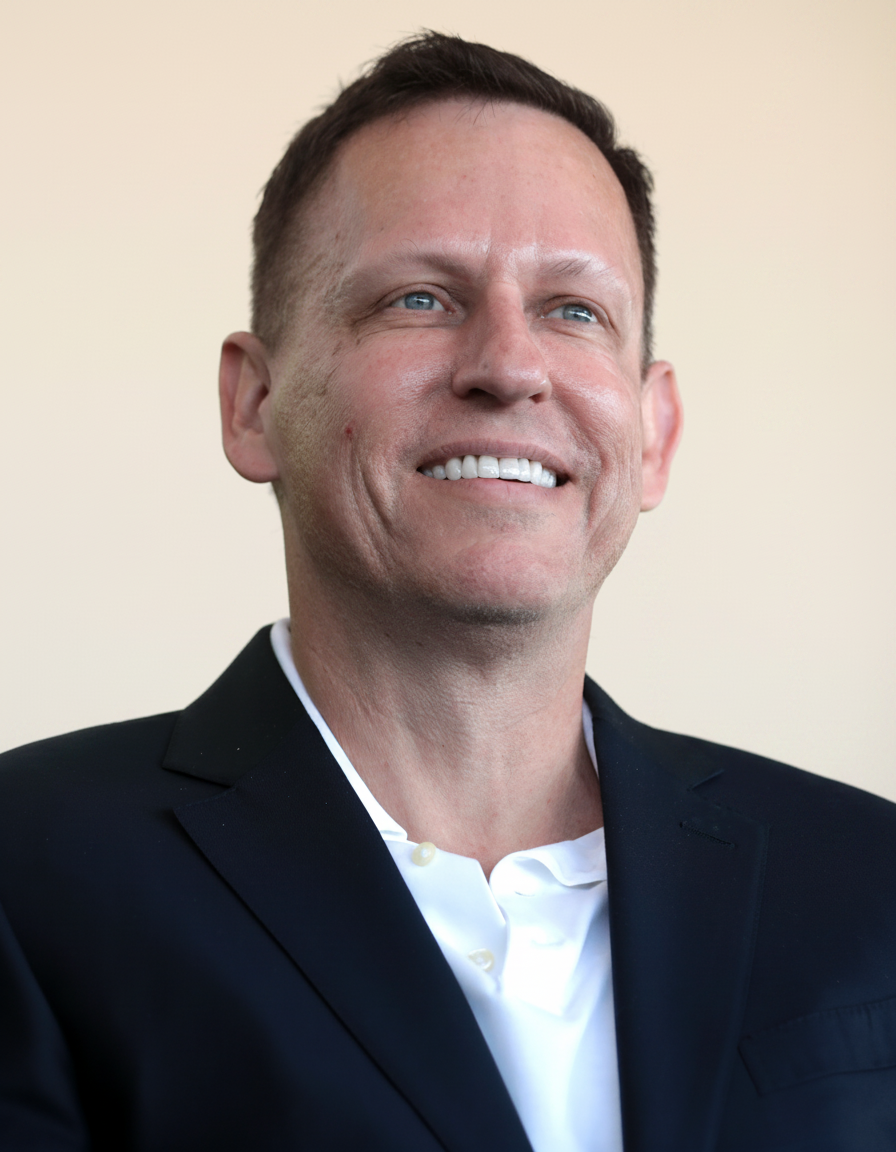
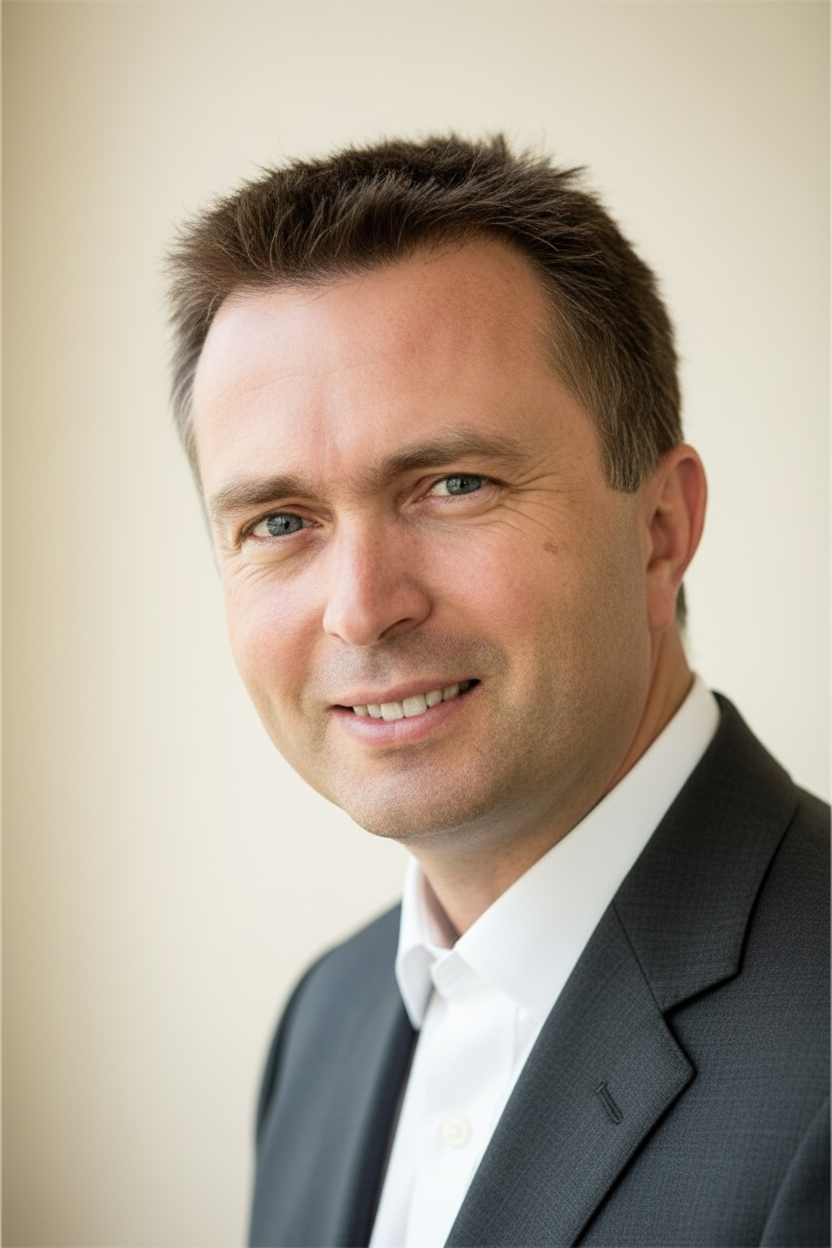
Co-founder of PayPal, Palantir, and Founders Fund. A deep thinker and contrarian investor, Thiel has shaped the technology landscape through disruptive ventures and strategic capital allocation.
Peter Thiel is a German-American entrepreneur, venture capitalist, and author, best known for co-founding PayPal, Palantir Technologies, and Founders Fund. He was the first outside investor in Facebook and is a prominent figure in Silicon Valley with a distinct contrarian philosophy on innovation and monopolies.
Biography
Accomplishments
- 01Co-founded PayPal Inc. in 1998, disrupting traditional financial services and coining the term 'PayPal Mafia' for the network of successful former employees.
- 02Co-founded Palantir Technologies in 2003, building a formidable data analytics platform for government agencies and large enterprises.
- 03Founded Founders Fund in 2005, a top-tier venture capital firm with over $10 billion under management, known for early investments in companies like SpaceX, Airbnb, and Oculus VR.
- 04Made the first outside investment in Facebook with $500,000 in 2004, acquiring a 10.2% stake valued at over $1 billion by Facebook's IPO.
- 05Authored 'Zero to One: Notes on Startups, or How to Build the Future' (2014), a Wall Street Journal and New York Times bestseller providing a unique perspective on innovation and entrepreneurship.
- 06Established the Thiel Fellowship in 2011, providing $100,000 grants to young people to forgo or drop out of college to pursue entrepreneurial endeavors and scientific research.
Lessons for Operators
Key Takeaways
Practical lessons distilled for operators, investors, C-levels, and capital allocators.
Monopoly Advantage
True innovation creates a temporary monopoly. Operators should strive to build businesses with proprietary technology, network effects, economies of scale, or strong brands that offer a distinct, defensible competitive advantage, enabling them to capture disproportionate value.
Contrarian Investing
Investors should seek out opportunities that are underestimated or misunderstood by the market. High returns often come from backing companies with contrarian insights that others dismiss, rather than following established trends.
Foundation of Founders
The quality and vision of the founding team are paramount. Focus on founders who possess deep technical insights, a clear long-term strategy, and the ability to execute on ambitious, non-obvious ideas, rather than generalist managers.
First Principles Thinking
Avoid imitation; instead, solve fundamental problems by thinking from first principles. This approach enables the creation of genuinely new and valuable products or services, rather than iterative improvements on existing ones.
The Power of Networks
A strong alumni network, exemplified by the 'PayPal Mafia,' can be a significant force for future innovation and wealth creation. Foster environments where talented individuals can collaborate, learn, and then support each other's future endeavors.
Long-Term Vision over Short-Term Goals
Sacrificing immediate profits or growth for long-term strategic positioning and market dominance is often a superior strategy. Capital allocators must be patient and aligned with founders building truly transformative companies.
Frameworks & Principles
Named frameworks and strategic principles they popularized or embodied.
Zero to One Thinking
This framework distinguishes between 'zero to one' (creating something entirely new, analogous to vertical progress) and 'one to N' (copying or improving existing ideas, analogous to horizontal progress). Thiel argues that true innovation lies in zero to one.
When to useApplicable when evaluating new product ideas, startup ventures, or strategic moves. Use it to determine if an initiative truly creates new value and market space, or merely competes in an existing one.
Monopoly Characteristics Assessment
Thiel identifies four key characteristics for sustainable monopolies: proprietary technology (at least 10x better), network effects, economies of scale, and branding. A business should aim to achieve at least one, ideally more, of these.
When to useUtilize this for assessing the long-term defensibility and competitive advantage of a business model, both for founders developing products and investors evaluating potential investments.
The Founding Question
Thiel suggests asking 'What important truth do very few people agree with you on?' This contrarian question helps uncover non-obvious insights that can lead to genuinely differentiated products or services.
When to useEmploy this framework during strategic planning sessions, brainstorming new ventures, or when seeking to challenge conventional industry wisdom. It encourages deep, independent thought.
Sources & Further Reading
Profiles, interviews, podcasts, and articles used to compile and verify this entry. Each link opens at the original publisher.
Explore Related Titans
Other figures in the archive who share Peter Thiel's domain, geography, or era.
More in Technology



From Germany


Contemporaries — born 1960s