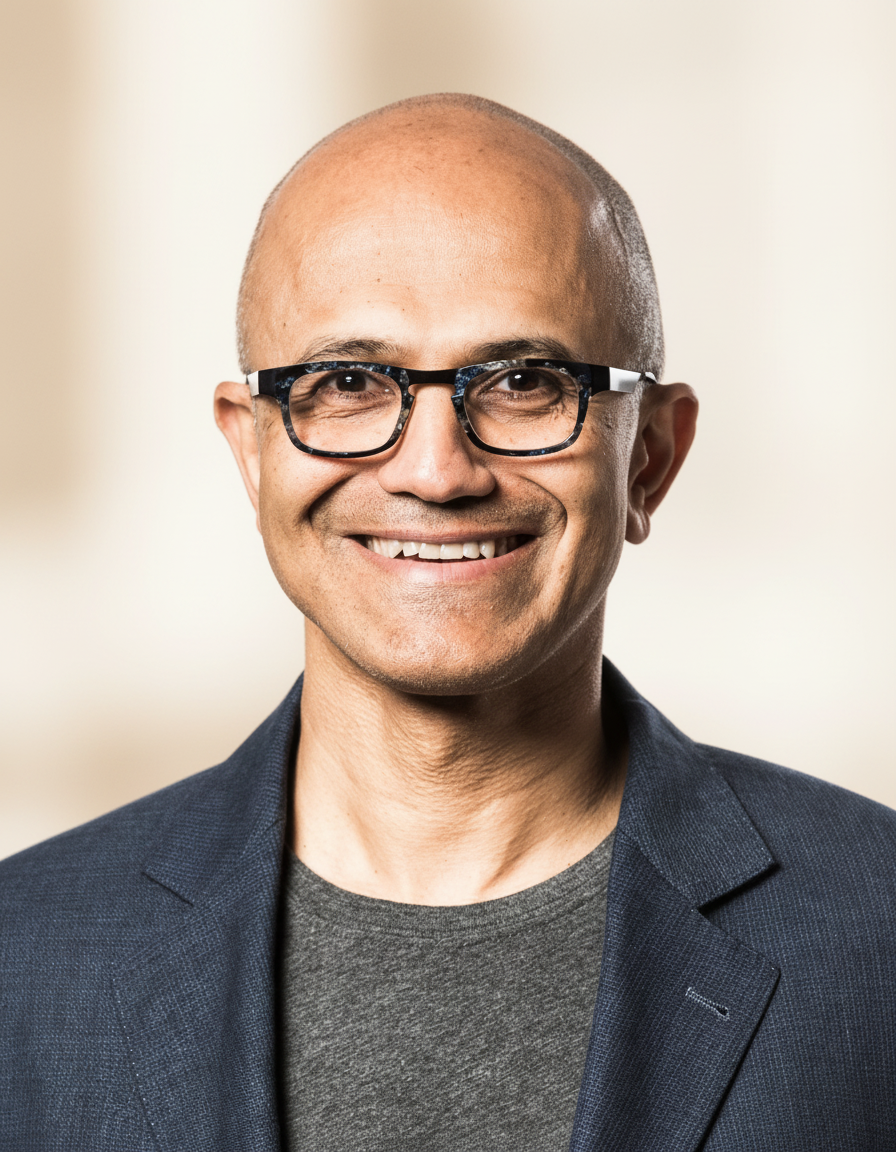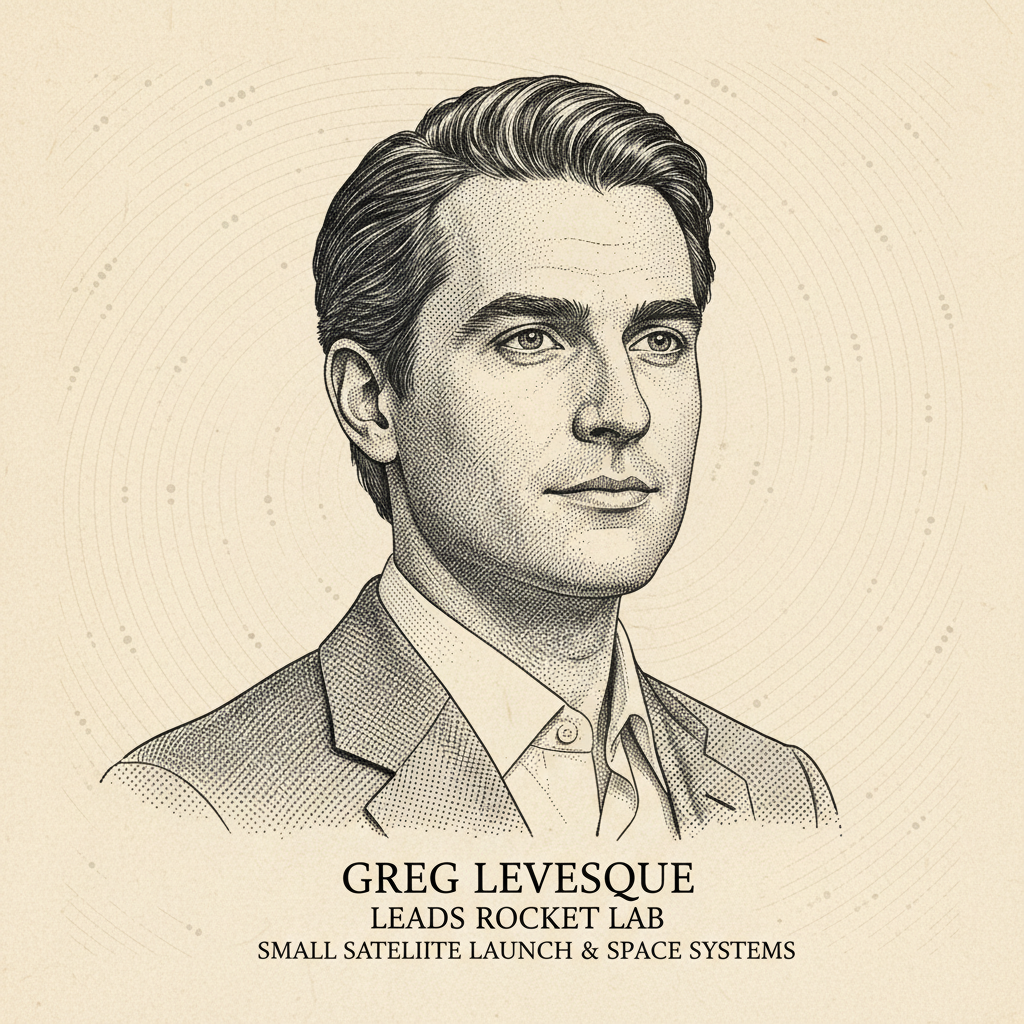
Greg Levesque
Architect of next-generation space logistics and intelligence, bridging commercial innovation with defense requirements.
Greg Levesque is an entrepreneur and executive known for founding and leading companies at the intersection of commercial space technology and national security. His career spans leadership roles in defense intelligence, venture capital, and aerospace startups, focusing on creating disruptive capabilities for space logistics, intelligence gathering, and secure data infrastructure.
Biography
Accomplishments
- 01Co-founded and led a venture-backed company providing secure infrastructure solutions for critical national security applications, securing significant early-stage funding rounds.
- 02Developed strategies for commercial space logistics and in-orbit servicing, addressing the growing demand for sustainable and flexible space operations for both civil and defense sectors.
- 03Formulated and executed market entry strategies for new space technologies, successfully translating defense requirements into commercial product-market fit.
- 04Advised venture capital firms and government agencies on emerging space technologies and dual-use applications, contributing to strategic investment decisions and policy development.
- 05Spearheaded initiatives to integrate advanced analytics and machine learning into space-derived intelligence products, enhancing data fusion and situational awareness for end-users.
- 06Secured strategic partnerships with established aerospace contractors and government entities, facilitating the adoption and deployment of innovative space solutions.
Lessons for Operators
Key Takeaways
Practical lessons distilled for operators, investors, C-levels, and capital allocators.
Hybrid Business Models
Greg Levesque exemplifies building companies with hybrid business models that serve both commercial and government clients. This diversification reduces reliance on a single market segment and can accelerate technology development by addressing broader use cases. Operators should explore how their commercial technologies can be adapted for defense/intelligence, and vice-versa, to unlock new revenue streams and strategic partnerships.
Intelligence Augmentation
His work highlights the increasing role of AI and OSINT in augmenting traditional intelligence methods, a topic frequently discussed in recent analyses of intelligence transformation. For C-levels and enterprise leaders, this signifies an imperative to invest in AI-driven data fusion, analytics, and automation to enhance decision-making and operational efficiency, not just in intelligence but across all data-intensive operations.
Strategic Capital Allocation
Levesque's background in venture capital informs a strategic approach to financing and growth. Fund managers and capital allocators should look for entrepreneurs with a deep understanding of both technology development and capital markets, who can demonstrate clear milestones and paths to value creation in 'tough tech' sectors like space and defense. This implies a focus on founders who are adept at securing significant, patient capital for long-cycle innovation.
Future of Space Logistics
His emphasis on space logistics and in-orbit servicing points to a critical, underserved area in the evolving space economy. Investors and enterprise leaders in logistics or manufacturing should consider the long-term opportunities in providing infrastructure, services, and advanced materials for operations in hybrid orbits and deep space, as this will become as crucial as terrestrial logistics in the coming decades.
Talent Development for Emerging Tech
The broader discussion around 'upskilling a billion people' (e.g., Rowan Cheung's commentary) resonates with the demands of the aerospace and intelligence sectors. For leaders, this means a proactive strategy for workforce development in AI, space operations, and cybersecurity to meet specialized demands, either through internal training, external partnerships, or strategic acquisitions of talent-rich startups.
Frameworks & Principles
Named frameworks and strategic principles they popularized or embodied.
Dual-Use Technology Development
A strategy focusing on developing technologies with both significant commercial market potential and critical applications for national security or government agencies. This maximizes market reach and de-risks investment by tapping into diverse funding sources and use cases.
When to useWhen developing innovative hardware or software with broad foundational utility, consider early on how the core technology components can be adapted for both private sector efficiency/profit and public sector mission accomplishment (e.g., secure communication, advanced sensing, autonomous systems).
Operator-Led Product Design (in Deep Tech)
Emphasizes embedding former or current operators (e.g., intelligence analysts, mission specialists, warfighters) directly into the product development lifecycle. Their intimate understanding of pain points, operational constraints, and mission requirements leads to more relevant and adoptable solutions.
When to useEssential for any high-stakes, technically complex sector like aerospace, defense, or critical infrastructure. Implement early and continuously in product ideation, prototyping, and testing phases to ensure solutions meet real-world demands and integrate seamlessly into existing workflows.
Strategic Convergence Mapping
A proactive process of identifying and analyzing the convergence points of multiple disruptive technologies (e.g., AI, OSINT, Space Systems, Quantum Computing) to anticipate future capability gaps and market opportunities. This informs long-term R&D investments and partnership strategies.
When to useUse this as part of annual strategic planning, R&D roadmapping, or competitive intelligence gathering. It helps identify white spaces for innovation and protects against being blindsided by paradigm shifts driven by integrated technological advancements.
Recent Appearances
Latest interviews, keynotes, and press from the past half year.
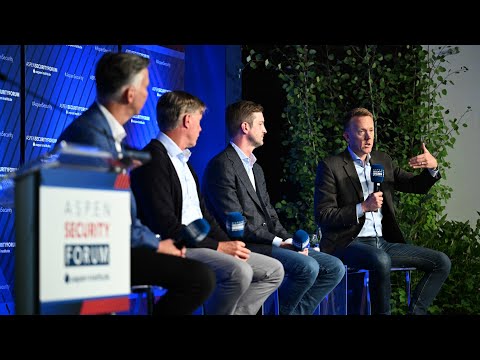 youtube.com
 youtube.com
Sources & Further Reading
Profiles, interviews, podcasts, and articles used to compile and verify this entry. Each link opens at the original publisher.
Explore Related Titans
Other figures in the archive who share Greg Levesque's domain, geography, or era.
More in Transportation & Logistics










From United States