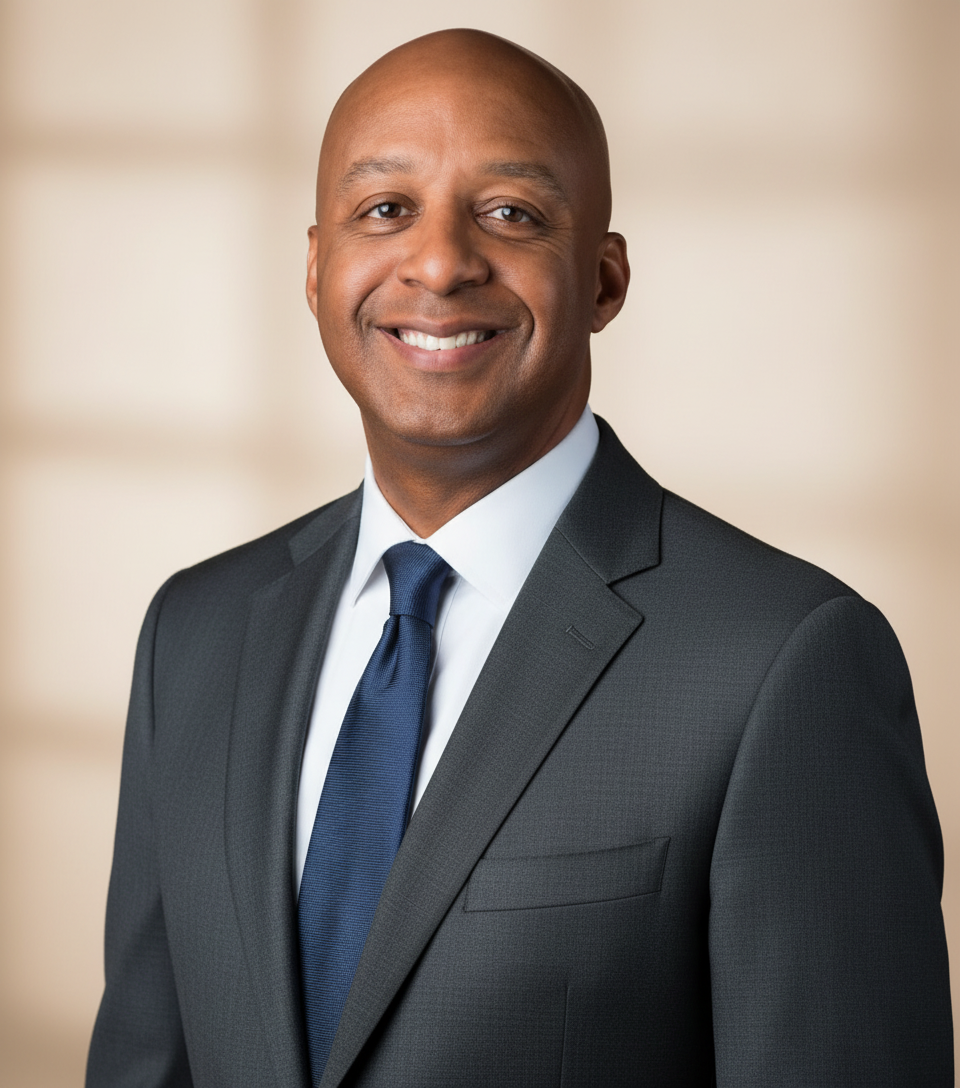
Frank Gibeau
A seasoned executive known for navigating and transforming interactive entertainment companies through significant market shifts and growth phases.
Frank Gibeau is an American business executive who has held leadership positions in the interactive entertainment industry for over three decades. He is best known for his extensive tenure at Electronic Arts, where he ascended to roles including President of EA Games and President of EA Mobile, overseeing significant product launches and digital transformations. Since 2016, he has served as the CEO of Zynga, orchestrating a significant turnaround and leading its acquisition by Take-Two Interactive.
Biography
Accomplishments
- 01Led Zynga's turnaround as CEO from 2016 to 2022, transforming the company from a period of declining revenues and profitability to sustained growth and market leadership in mobile gaming.
- 02Orchestrated Zynga's acquisition by Take-Two Interactive for approximately $12.7 billion in 2022, realizing substantial shareholder value and creating one of the largest interactive entertainment companies.
- 03Spearheaded EA Mobile's growth and strategy as President from 2011-2013, significantly expanding EA's mobile game portfolio and user base, including the successful integration of PopCap Games.
- 04Oversaw major console and PC game franchises as President of EA Games (2008-2011), driving key titles like Battlefield and Need for Speed through critical development cycles and market launches.
- 05Successfully pivoted Zynga's product strategy by focusing on a 'social slots' portfolio and live services, ensuring long-term player engagement and monetization.
- 06Integrated the acquisition of PopCap Games for $750 million into EA, significantly bolstering its mobile casual gaming presence with titles like Plants vs. Zombies.
Lessons for Operators
Key Takeaways
Practical lessons distilled for operators, investors, C-levels, and capital allocators.
Turnaround Leadership
Gibeau's tenure at Zynga exemplifies effective turnaround leadership. He demonstrated the ability to diagnose core issues, implement decisive strategic shifts (e.g., shifting product focus, optimizing marketing spend), and re-energize a struggling organization towards profitability and growth, ultimately leading to a significant M&A event.
Digital Transformation & Mobile Prowess
His career highlights a deep understanding of the interactive entertainment industry's shift towards digital distribution and mobile platforms. He successfully led large-scale transitions at both EA and Zynga, demonstrating how to monetize and build franchises in dynamic digital ecosystems.
Value Creation through M&A
Gibeau has been a key figure in significant mergers and acquisitions, both as an acquirer (PopCap at EA) and as the CEO leading the acquired company (Zynga). This illustrates the importance of strategic M&A for consolidating market position, acquiring intellectual property, and realizing substantial shareholder value.
Operational Excellence in Live Services
A recurring theme in his leadership is the emphasis on live service operations. For mobile and online games, sustained engagement, effective monetization, and continuous content updates are critical. Gibeau's success at Zynga was heavily dependent on optimizing these live service capabilities.
Executive Vision for Growth Markets
His ability to identify and capitalize on emerging market segments, such as mobile gaming's rise, positions him as a visionary leader. This involves not only recognizing trends but also executing complex organizational and product strategies to capture market share.
Frameworks & Principles
Named frameworks and strategic principles they popularized or embodied.
Portfolio Rationalization & Focus
The strategic process of evaluating existing product portfolios, identifying underperforming assets, and reallocating resources to high-potential or profitable ventures. At Zynga, this involved divesting from unprofitable games and doubling down on 'social slots' and proven IPs.
When to useWhen a company's product portfolio is sprawling, underperforming, or misaligned with market opportunities; essential for turnarounds and maximizing ROI on development and marketing spend.
LiveOps & Player Lifetime Value (LTV) Optimization
A methodology focused on managing a game (or digital product) as a continuous service post-launch, emphasizing regular content updates, in-game events, community management, and data-driven monetization strategies to maximize player engagement and the total revenue generated from a user over their 'lifetime'.
When to useCrucial for any free-to-play or subscription-based digital product, particularly in mobile gaming, where ongoing engagement and monetization are primary drivers of revenue and profitability.
Strategic M&A for IP and Talent Acquisition
Utilizing mergers and acquisitions not solely for market share, but specifically to acquire valuable intellectual property (IP), proprietary technology, and skilled human capital that aligns with long-term strategic objectives. Examples include EA's acquisition of PopCap and Zynga's numerous studio acquisitions.
When to useWhen organic growth is insufficient, time-to-market is critical, or specific expertise/IP is required to enter or strengthen a market segment; particularly relevant in fast-evolving industries like tech and entertainment.
Recent Appearances
Latest interviews, keynotes, and press from the past half year.


Explore Related Titans
Other figures in the archive who share Frank Gibeau's domain, geography, or era.
More in Technology




From United States




Contemporaries — born 1960s