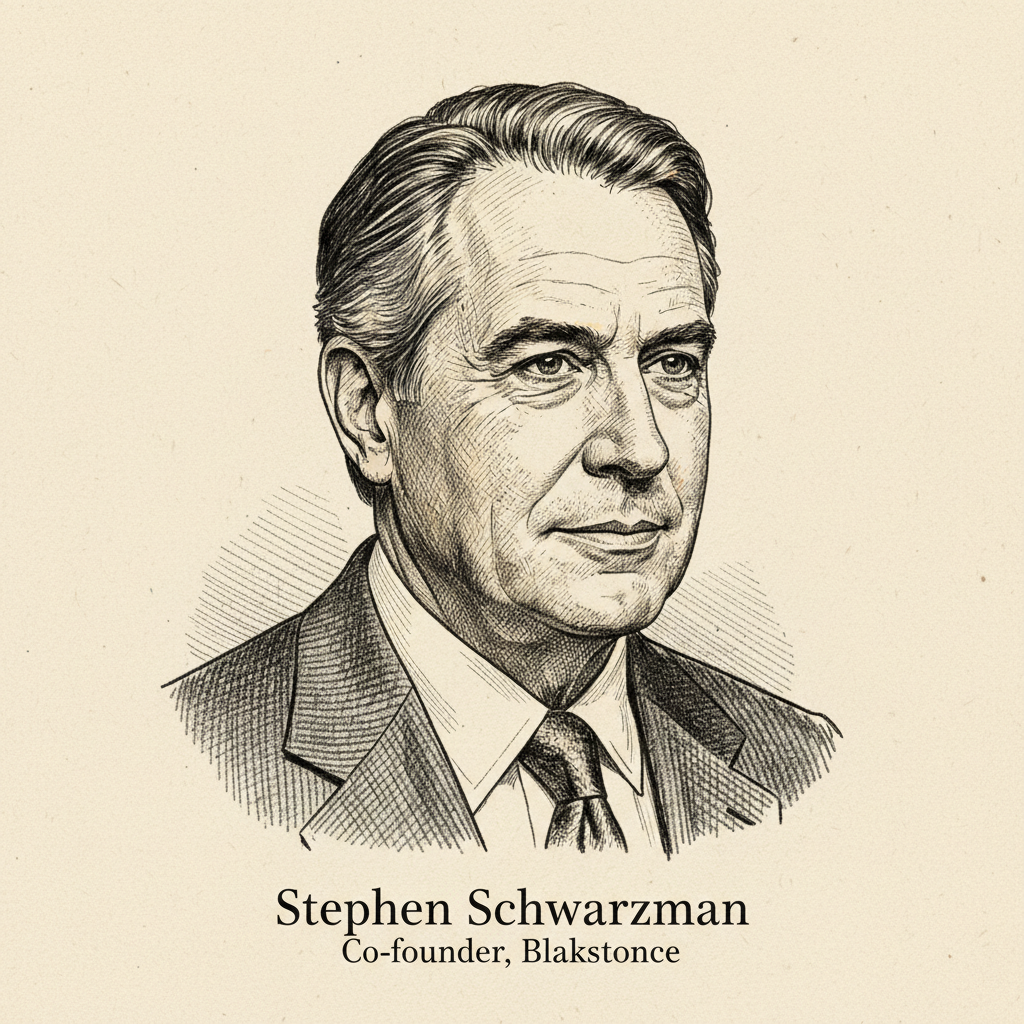
Eli Harari
The visionary behind flash memory and founder of SanDisk, pioneering ubiquitous data storage.
Eli Harari is a semiconductor technologist and entrepreneur best known as the founder of SanDisk (now Western Digital), a company that commercialized flash memory technology. His innovations in floating-gate EEPROM and flash memory made non-volatile solid-state storage practical and ubiquitous, driving revolutions in consumer electronics and enterprise data storage.
Biography
Accomplishments
- 01Co-founded SanDisk Corporation in 1988, growing it into a multi-billion dollar flash memory leader (acquired by Western Digital for $19 billion in 2016).
- 02Pioneered and commercialized Multi-Level Cell (MLC) flash technology in 1997, dramatically increasing memory density and reducing per-bit cost, making flash memory pervasive in consumer electronics.
- 03Led SanDisk to develop and commercialize key form factors, including the first flash-based Solid State Drive (SSD) for enterprise (1991) and the CompactFlash card (1994), establishing industry standards.
- 04Holds over 160 U.S. patents in non-volatile memory, underscoring his foundational contributions to the field.
- 05Built a vertically integrated business model at SanDisk, combining R&D, manufacturing (via joint ventures), and product development to ensure technological leadership and cost efficiency.
- 06Navigated SanDisk through several semiconductor cycles, maintaining profitability and growth through strategic partnerships and continuous innovation.
Lessons for Operators
Key Takeaways
Practical lessons distilled for operators, investors, C-levels, and capital allocators.
Technology as a Market Catalyst
Harari's work on MLC flash exemplifies how a fundamental technological advance (reducing cost per bit by packing more data into fewer cells) can unlock entirely new markets and product categories. Operators should constantly assess core technological limits and invest in breakthroughs that disrupt cost structures.
Strategic Partnerships for Capital Intensity
In capital-intensive sectors like semiconductors, leveraging joint ventures for manufacturing (e.g., SanDisk-Toshiba) can be critical. This strategy allows for shared investment, risk mitigation, and rapid scaling, which is often unattainable for a single entity. Investors should look for companies with intelligent capital allocation strategies that extend beyond internal resources.
Vertical Integration (Strategic Control Points)
SanDisk's degree of vertical integration, particularly in R&D and manufacturing processes (even if through joint ventures), provided crucial control over intellectual property, cost, and supply chain. C-suite leaders should evaluate which aspects of their value chain are critical to control to maintain competitive advantage and customer satisfaction.
Patience and Persistence in Disruptive Innovation
Flash memory faced initial challenges and competition. Harari's sustained commitment to its development and commercialization, even before its widespread adoption, highlights the necessity of long-term vision and persistence when pursuing truly disruptive technologies. Fund managers should assess management's ability to maintain focus through market cycles.
From Invention to Product Ecosystem
Harari didn't just invent; he built an ecosystem around flash memory, creating viable products (SSDs, CompactFlash) and driving adoption across diverse applications. Enterprise leaders must consider not just the core technology but also the productization, market fit, and ecosystem development required for widespread success.
Frameworks & Principles
Named frameworks and strategic principles they popularized or embodied.
Horizontal-to-Vertical Integration Evaluation
This framework involves assessing which parts of the value chain (R&D, manufacturing, distribution, sales) are critical to internalize or control via strategic partnerships to maintain competitive advantage in areas like cost, quality, and IP. Harari selectively integrated vertically (through joint ventures for manufacturing) to gain leverage.
When to useApplicable when a company operates in a capital-intensive industry, deals with proprietary technology, or needs to control key supply chain aspects to ensure product performance and cost efficiency.
Ecosystem Development Model
Beyond a core product, this framework emphasizes building an interconnected network of complementary products, services, and partnerships that increase the value proposition and adoption of the primary innovation. Harari focused on creating various flash products (SSDs, cards) and driving their integration into devices.
When to useUseful for innovators and entrepreneurs launching foundational technologies that require third-party integration or widespread adoption to achieve their full market potential, fostering network effects.
Cost-Per-Unit Disruption Strategy
This strategy centers on fundamentally altering the cost structure of a product or service to unlock new market segments or displace existing solutions. Harari's MLC flash dramatically reduced the cost per bit of storage, making flash memory accessible for mass-market applications.
When to useApplicable for companies aiming to disrupt established markets by offering a significantly more affordable solution, or to expand into entirely new markets that were previously cost-prohibitive.
Sources & Further Reading
Profiles, interviews, podcasts, and articles used to compile and verify this entry. Each link opens at the original publisher.
Explore Related Titans
Other figures in the archive who share Eli Harari's domain, geography, or era.
More in Technology










Contemporaries — born 1940s