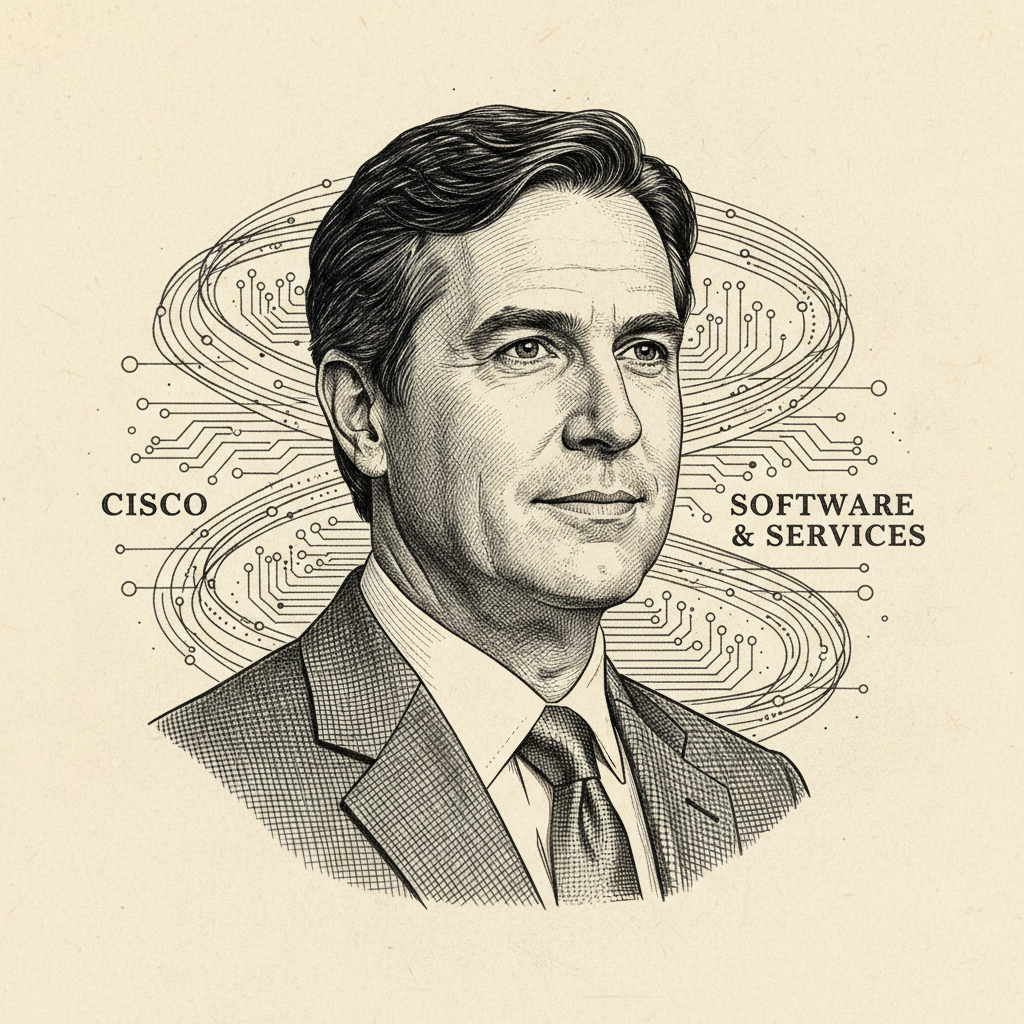
Dirk Hoke
A transformational leader in complex industrial and aerospace sectors, skilled in strategic portfolio reorientation and international market expansion.
Dirk Hoke is a German executive renowned for leading significant transformations in global industrial corporations. His career spans key leadership roles at Siemens AG, where he demonstrated prowess in expanding divisions into new markets, and Airbus, where he spearheaded the digitalization and product strategy of Airbus Defence and Space. Currently, he is CEO of Volocopter, a pioneer in urban air mobility.
Biography
Accomplishments
- 01Successfully led the Siemens Rail Systems Division, securing a multi-billion euro contract for rail infrastructure in Saudi Arabia (2011-2014).
- 02Spearheaded the transformation of Airbus Defence and Space (2016-2021), divesting non-core assets and refocusing on sovereign capabilities and digital services, leading to improved financial performance.
- 03Integrated new technologies and digital strategies across Siemens' Customer Services Division (Power and Gas Sector), enhancing service portfolios and market penetration (2014-2016).
- 04Pioneered market entry and expansion for Siemens in emerging Asian economies, particularly Indonesia and Greater China, significantly growing regional revenues and operational footprints (2005-2011).
- 05Scaled Volocopter's operations and accelerated certification efforts for its eVTOL aircraft, securing significant funding rounds and strategic partnerships for future commercial deployment (2021-present).
- 06Orchestrated a cultural shift within Airbus Defence and Space towards agility and innovation, critical for competing in rapidly evolving defense and space markets.
- 07Managed large, complex industrial projects across diverse global regions, demonstrating exceptional cross-cultural leadership and project management capabilities.
Lessons for Operators
Key Takeaways
Practical lessons distilled for operators, investors, C-levels, and capital allocators.
Portfolio Rationalization for Value Creation
Leaders must be willing to divest non-strategic or underperforming assets to free up capital and focus management attention on high-growth, high-margin opportunities. This often requires difficult decisions but is crucial for long-term shareholder value.
Embrace Digitalization as a Core Strategy
Digital transformation is not merely an IT initiative but a fundamental shift in business operations, product development, and customer engagement. Companies not actively integrating AI, IoT, and data analytics risk competitive obsolescence.
Global Market Penetration Requires Local Dexterity
Scaling internationally demands more than just product superiority; it requires cultural intelligence, strong local leadership, and tailored strategies to navigate diverse regulatory and competitive landscapes.
Future-Proofing Through Disruptive Innovation
Incumbents often overlook or underestimate emerging technologies. Leaders like Hoke who actively transition into and champion disruptive sectors (e.g., eVTOLs) demonstrate foresight crucial for sustained relevance and growth in rapidly changing markets.
Mastering the Service-Oriented Business Model
Shifting from a transactional product sales model to a recurring service-centric one enhances customer stickiness, generates more predictable revenue streams, and often yields better profit margins. Investors should favor companies with robust service offerings.
Strategic Resilience in Oligopolistic Markets
In industries dominated by a few large players, maintaining and carving out market share requires sustained investment in R&D, strategic partnerships, and a clear differentiation strategy, often involving government collaboration in defense.
Leadership Agility for Organizational Transformation
Successful transformation hinges on a leader's ability to communicate vision, empower teams, and adapt strategies in response to evolving market dynamics and internal challenges. This agility mitigates risks associated with large-scale change initiatives.
Frameworks & Principles
Named frameworks and strategic principles they popularized or embodied.
Portfolio Rationalization Matrix
A strategic tool used to evaluate business units or product lines based on market attractiveness and competitive strength, leading to decisions on investing, holding, divesting, or harvesting.
When to useWhen a company seeks to streamline its operations, improve capital allocation, and focus resources on core strategic areas, as Hoke did at Airbus Defence and Space by divesting non-core assets.
Digital Transformation Roadmap
A structured plan outlining the steps, technologies, and organizational changes required to integrate digital capabilities across an enterprise, enhancing efficiency, innovation, and customer experience.
When to useWhen an organization needs to modernize its operations, develop new digital products/services, or improve data-driven decision-making, reflecting Hoke's emphasis on digitalization at Siemens and Airbus.
Emerging Market Entry Strategy
A comprehensive approach to entering and succeeding in new international markets, considering factors like regulatory environment, local competition, cultural nuances, and distribution channels.
When to useWhen a company aims to expand its global footprint and leverage untapped growth opportunities in regions like Asia, drawing from Hoke's experience in Indonesia and China.
Product-to-Service Transition Model
A business model innovation framework that guides companies in shifting from solely selling products to offering subscription-based services, maintenance contracts, or outcome-based solutions.
When to useWhen a product-centric business seeks to create recurring revenue streams, deepen customer relationships, and capture more value throughout the product lifecycle, as Hoke emphasized at Siemens' Power and Gas division.
Explore Related Titans
Other figures in the archive who share Dirk Hoke's domain, geography, or era.
More in Technology









From Germany








Contemporaries — born 1960s