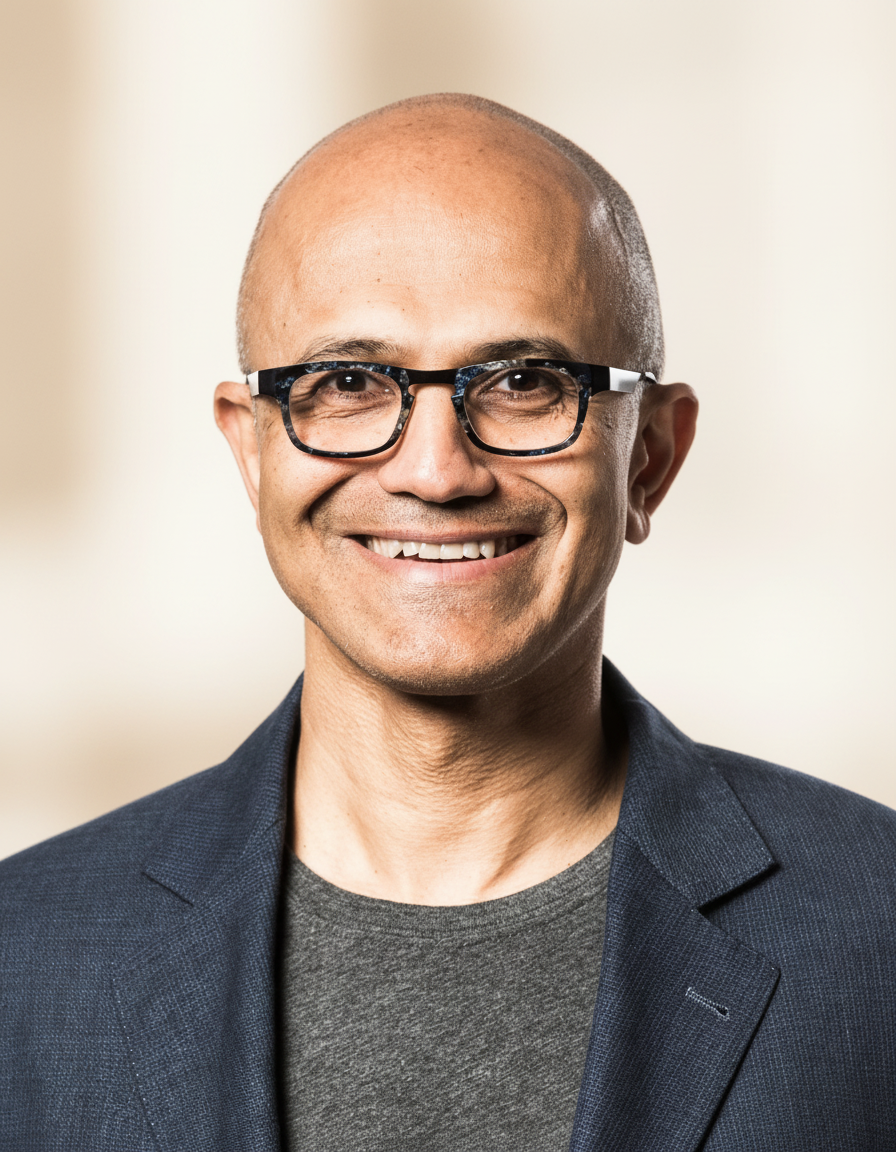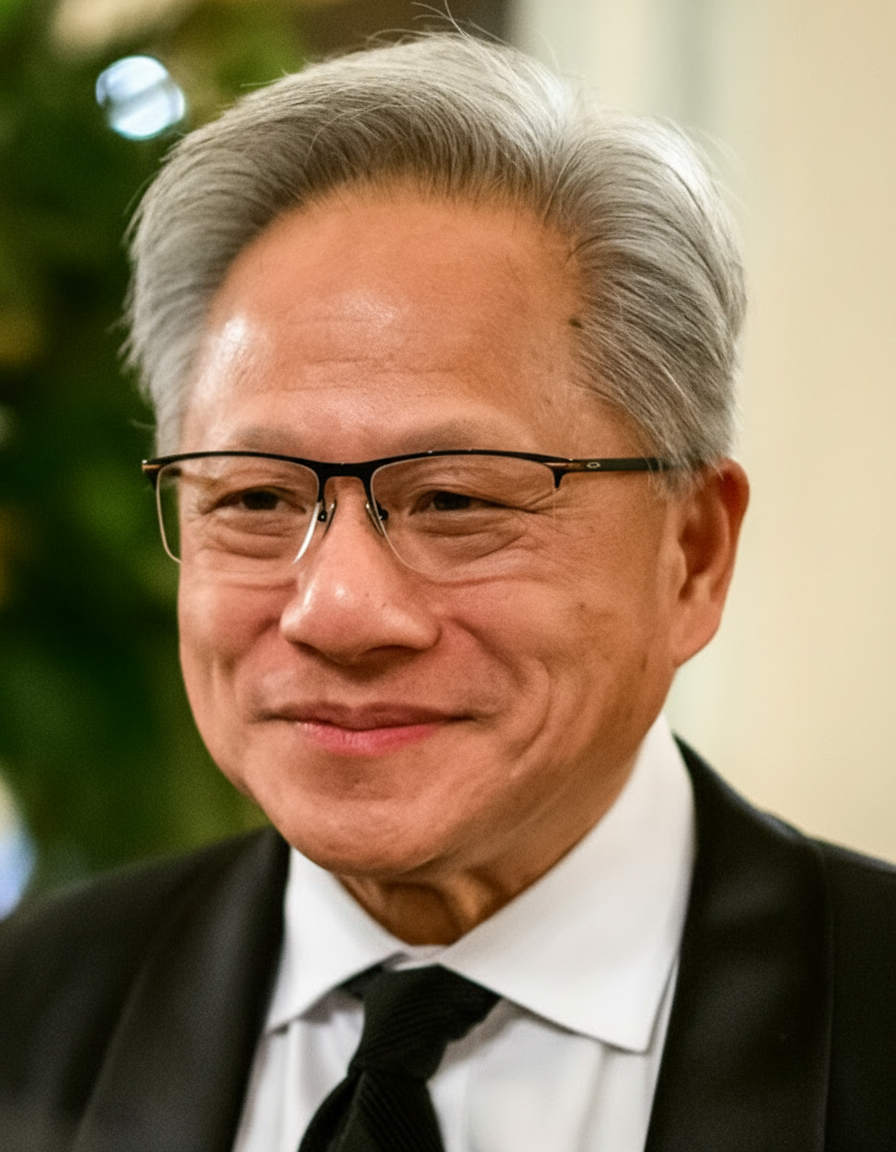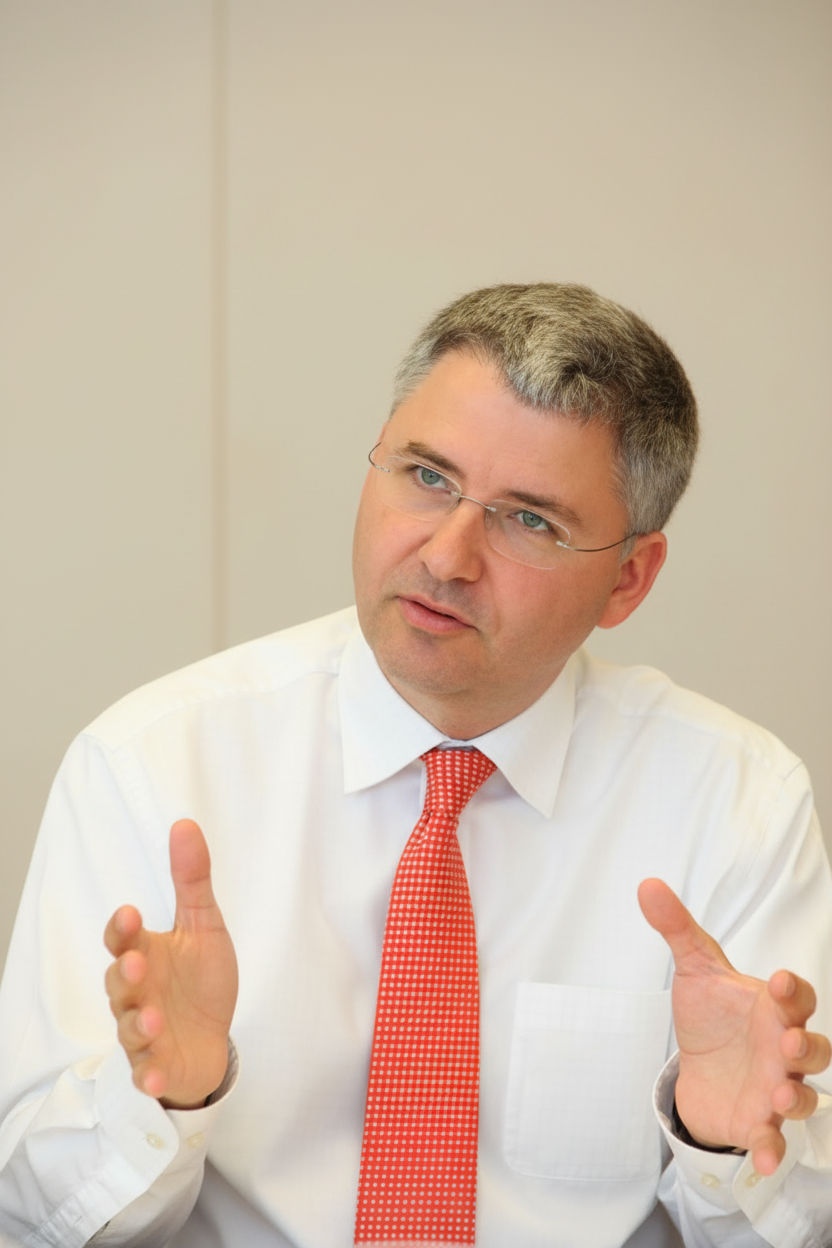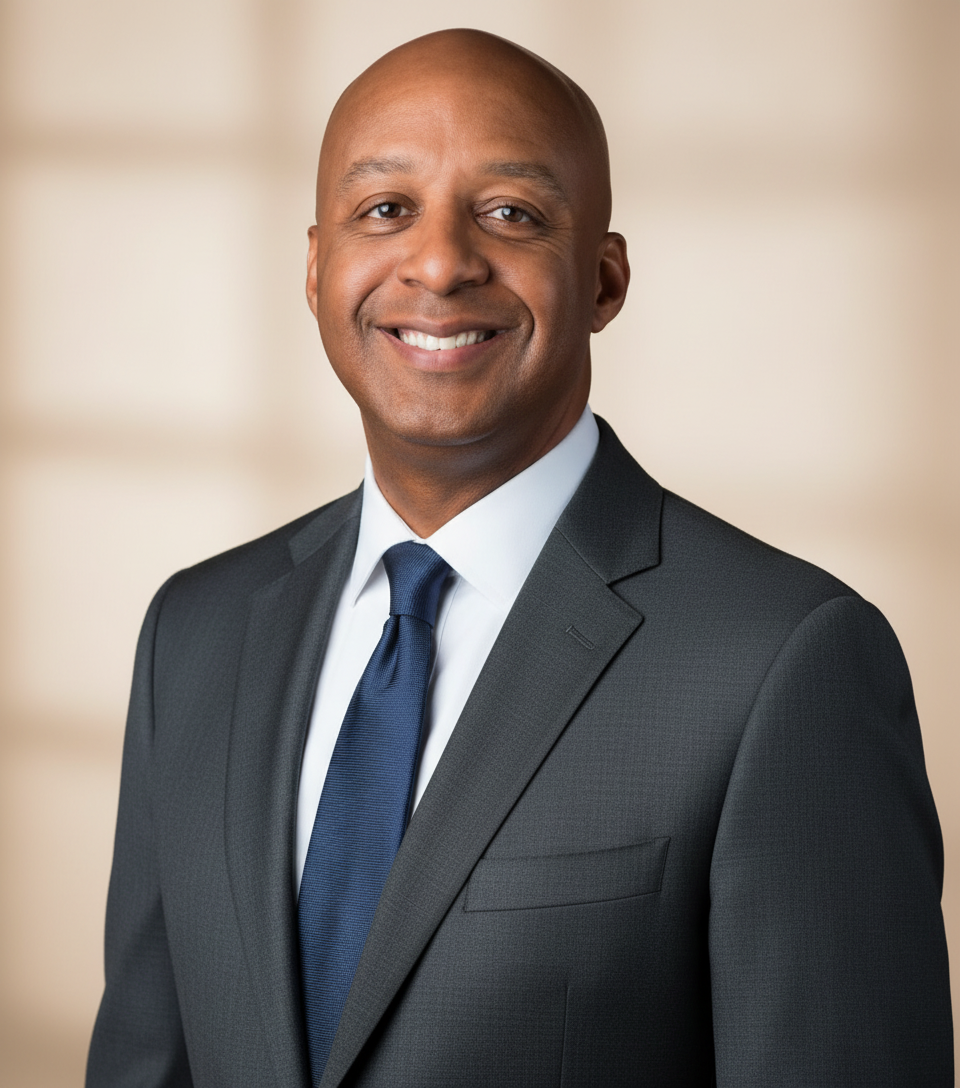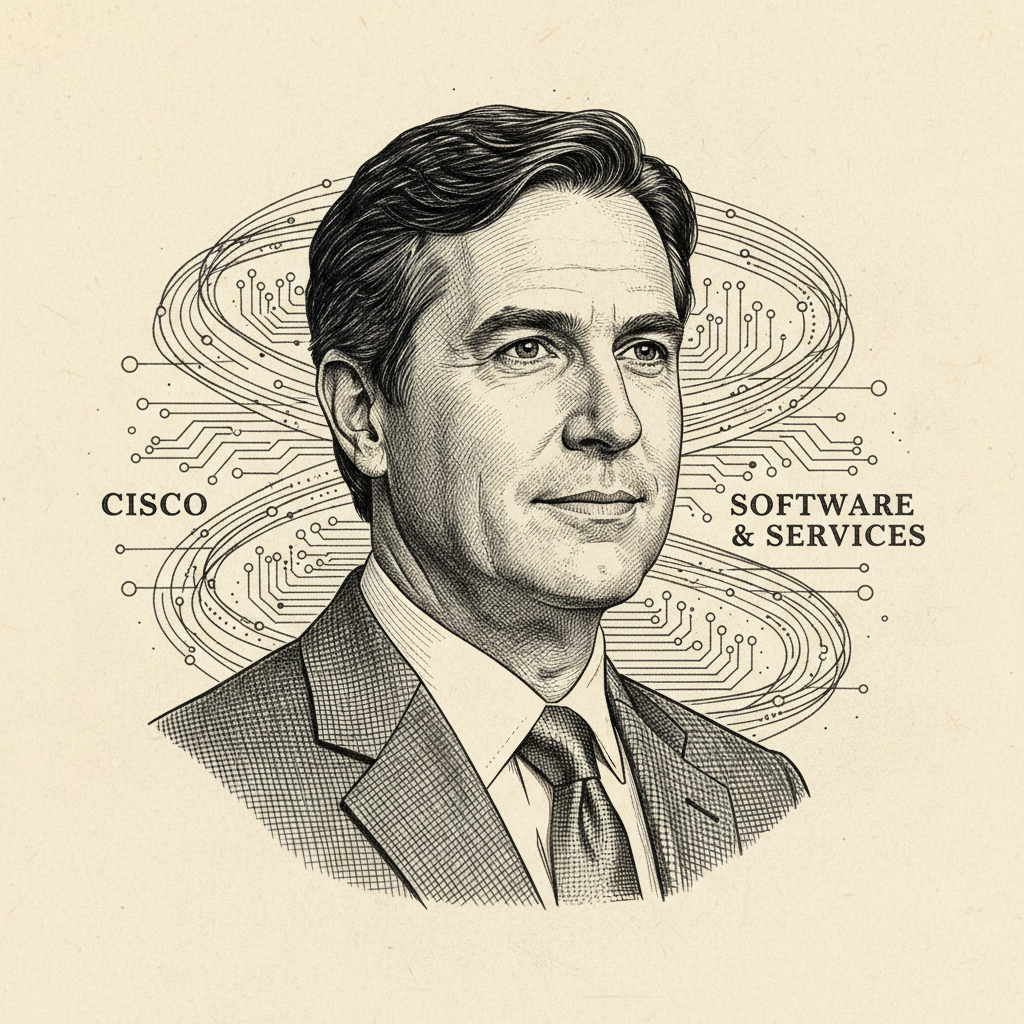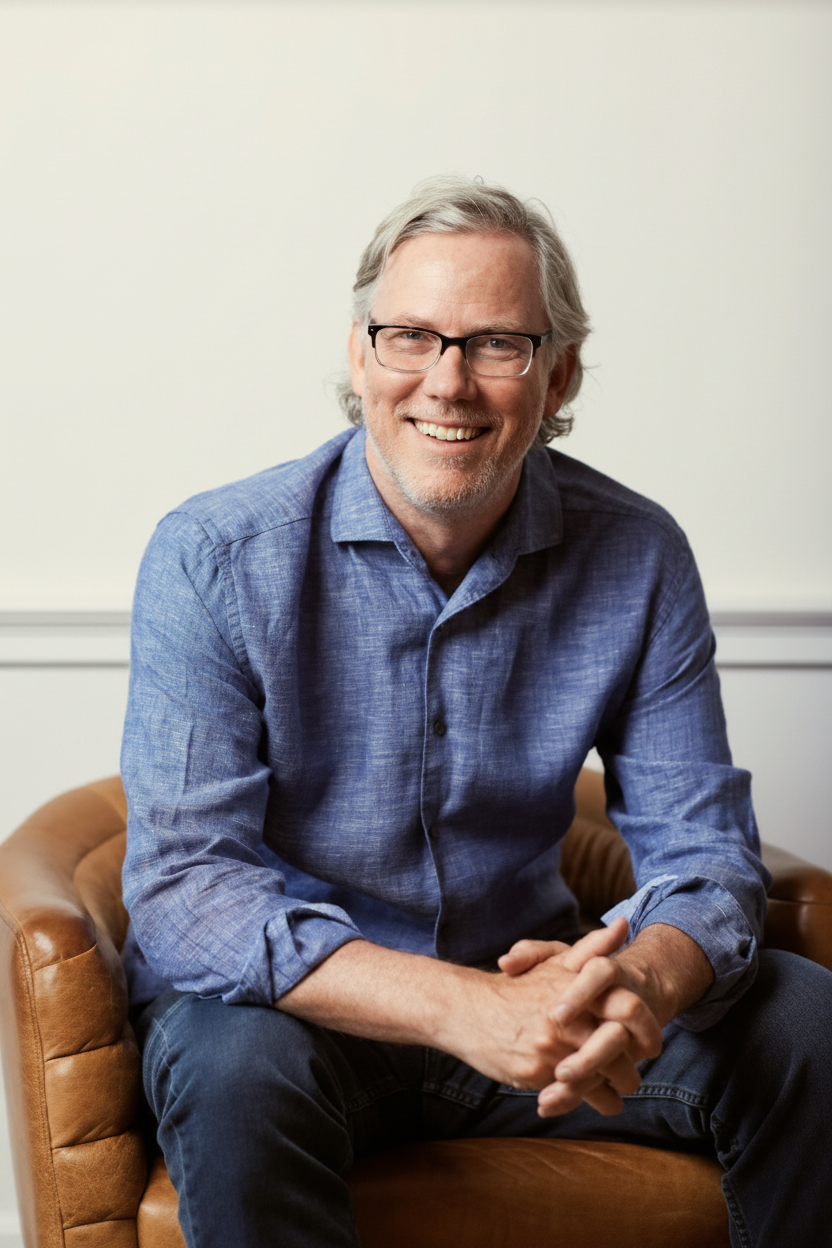
Andreas Halvorsen
Founder of Viking Global Investors, a prominent hedge fund known for its fundamental long/short equity strategy and consistent long-term performance.
Andreas Halvorsen is a Norwegian-American hedge fund manager and co-founder of Viking Global Investors. After a distinguished tenure at Tiger Management under Julian Robertson, Halvorsen launched Viking Global in 1999, establishing it as one of the most successful and enduring 'Tiger Cubs.' The firm is known for its intensive fundamental research, primarily employing a long/short equity strategy across various sectors globally.
Biography
Accomplishments
- 01Co-founded Viking Global Investors in 1999, which grew into one of the largest and most successful 'Tiger Cub' hedge funds.
- 02Achieved consistent long-term performance, with Viking Global's flagship fund generating annualized returns significantly above industry benchmarks over two decades.
- 03Successfully navigated multiple market downturns, including the 2000 dot-com bust and the 2008 global financial crisis, preserving capital and generating alpha.
- 04Developed a highly regarded investment team and institutionalized a robust research-driven investment process, ensuring the firm's enduring success beyond individual personalities.
- 05Pioneered a sophisticated long/short equity strategy with a strong emphasis on global opportunities and detailed bottom-up fundamental analysis.
- 06Transitioned leadership roles effectively, stepping down as CEO in 2017 and later becoming Chairman in 2019, demonstrating a commitment to long-term firm sustainability.
Lessons for Operators
Key Takeaways
Practical lessons distilled for operators, investors, C-levels, and capital allocators.
Deep Fundamental Analysis Drives Alpha
Viking Global's consistent outperformance underscores that superior returns emanate from proprietary, in-depth research that uncovers mispriced assets, rather than relying on broad market trends or technical indicators. For business leaders, this means robust market intelligence and R&D are indispensable.
Adaptability is Key to Sustained Success
Halvorsen's ability to navigate diverse market environments and adjust the portfolio, even dabbling in private investments, highlights the necessity for strategic flexibility. Businesses must be prepared to pivot, innovate, and reallocate resources in response to changing competitive landscapes or economic conditions.
Institutionalize Your Investment Process (or Business Strategy)
Viking Global's longevity is a testament to building a robust, repeatable investment process and fostering a strong team culture that transcends individual leaders. Enterprises should focus on developing clear methodologies, fostering internal talent, and building resilient operational structures.
Disciplined Risk Management Protects Capital
The emphasis on meticulous risk management at Viking Global demonstrates that preserving capital is as vital as generating returns. For C-levels, this translates to stringent financial controls, diversified revenue streams, and maintaining healthy liquidity to weather unforeseen challenges.
The Power of a Strong 'Founder's Network'
Receiving seed capital and mentorship from Julian Robertson provided Viking Global a significant head start. This illustrates the value of strong industry networks, strategic partnerships, and leveraging experienced mentors for any new venture or period of growth.
Frameworks & Principles
Named frameworks and strategic principles they popularized or embodied.
Fundamental Long/Short Equity
An investment strategy involving simultaneous long positions in assets expected to appreciate and short positions in assets expected to depreciate. The goal is to generate returns regardless of overall market direction by capturing the spread between outperformers and underperformers.
When to useApplicable for fund managers seeking absolute returns, operators looking to understand how capital allocators view their stock relative to competitors, and investors seeking to build market-neutral or enhanced-return portfolios with intensive research capabilities.
Bottom-Up Research
An investment approach that focuses on analyzing individual companies and their specific characteristics (e.g., financials, management, competitive advantages) rather than macro-economic or industry-wide trends. Decisions are made based on the merits of individual securities.
When to useEssential for investors aiming to identify undervalued or overvalued specific companies, capital allocators performing due diligence on private equity or venture capital opportunities, and enterprise leaders developing competitive strategy by understanding their specific market positioning.
Tiger Cub Mentorship Model
A business and investment philosophy derived from Julian Robertson's Tiger Management, characterized by rigorous fundamental analysis, global macro awareness, and often, an emphasis on grooming talented analysts who later launch their own successful funds. It fosters a network of interconnected funds and shared investment principles.
When to useApplicable for business leaders focused on talent development and succession planning, entrepreneurs seeking to emulate successful startup models with strong mentorship, and fund managers looking to build a high-performance, research-driven investment firm within a established network.
Recent Appearances
Latest interviews, keynotes, and press from the past half year.
 youtube.com
 youtube.com
 youtube.com
 youtube.com
 youtube.com
 youtube.com
 youtube.com
 youtube.com
 youtube.com
 youtube.com
 m.youtube.com
 youtube.com
 youtube.com
 youtube.com
 youtube.com
 youtube.com
 youtube.com
 youtube.com
 youtube.com
 youtube.com
 youtube.com
 youtube.com
 youtube.com
![Komorebi – Yehezkel Raz, Andrea Vanzo [PIANO TUTORIAL] - YouTube](https://i.ytimg.com/vi/ed5JJyVvhNs/hqdefault.jpg) youtube.com
youtube.com youtube.com
 youtube.com
 youtube.com
 youtube.com
 youtube.com
 youtube.com
 youtube.com
 youtube.com
 youtube.com
![[LIVE] 신입) 3일차ㅣ코찬ㅣ비트코인 단타ㅣ스캘핑ㅣICTㅣSMCㅣ서든어택](https://i.ytimg.com/vi/QdHlqlTQd6E/hqdefault.jpg) youtube.com
youtube.com youtube.com
 youtube.com
 youtube.com
 youtube.comyoutube.com
 youtube.com
 youtube.com
 youtube.com
 youtube.com
 youtube.com
 youtube.com
 youtube.com
 youtube.com
 youtube.com
 youtube.com
 youtube.com
 m.youtube.com
 youtube.com
 youtube.com
![[4K - 명음반] 거장의 유산 - 바그너 - 니벨룽의 반지 제4부 - 신들의 황혼 ...](https://i.ytimg.com/vi/l3l1ovr9ljY/hqdefault.jpg) youtube.com
youtube.com youtube.com
 youtube.com
 youtube.com
 youtube.com
 youtube.com
 youtube.com
![[신윤주의가정음악 260820] 슈베르트의 우정이 낳은 가곡들 - YouTube](https://i.ytimg.com/vi/hiY2zfwWfJg/hqdefault.jpg) youtube.com
youtube.com m.youtube.com
Explore Related Titans
Other figures in the archive who share Andreas Halvorsen's domain, geography, or era.
More in Finance & Investing







Contemporaries — born 1960s