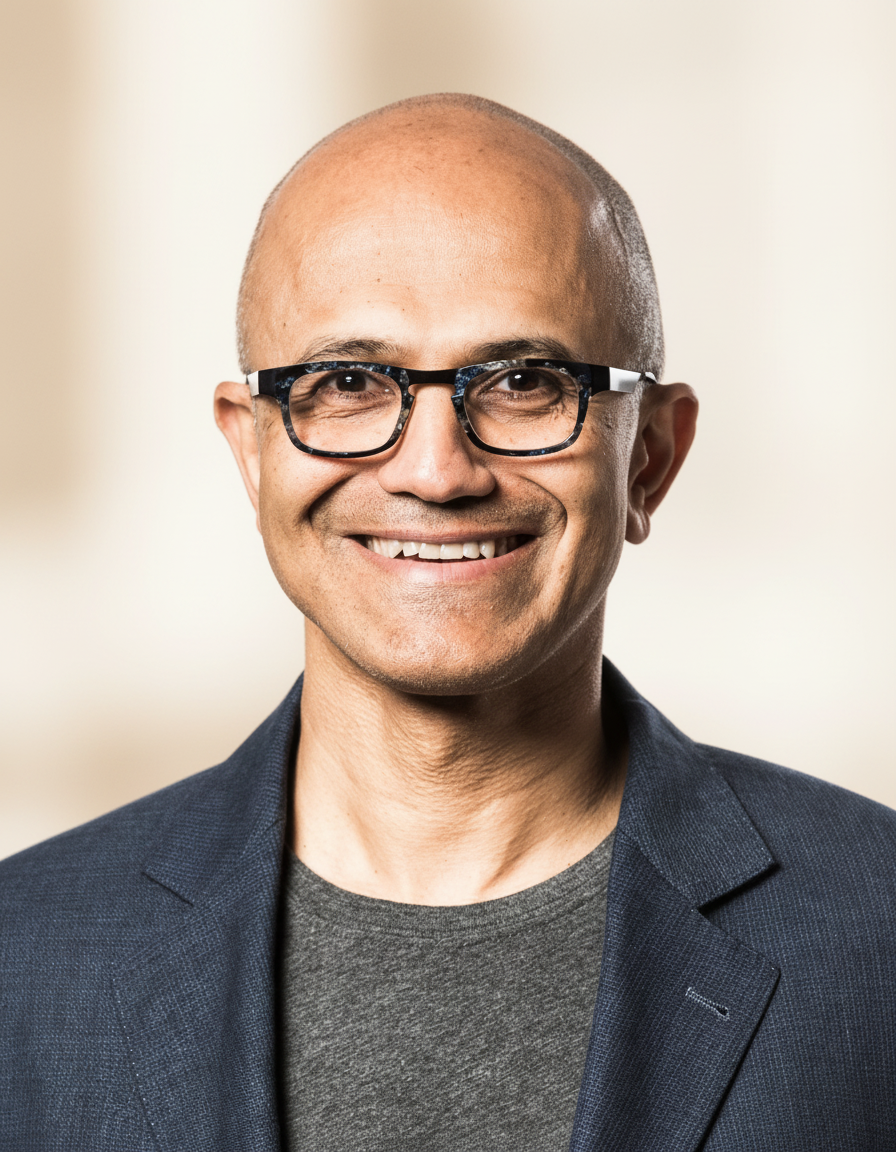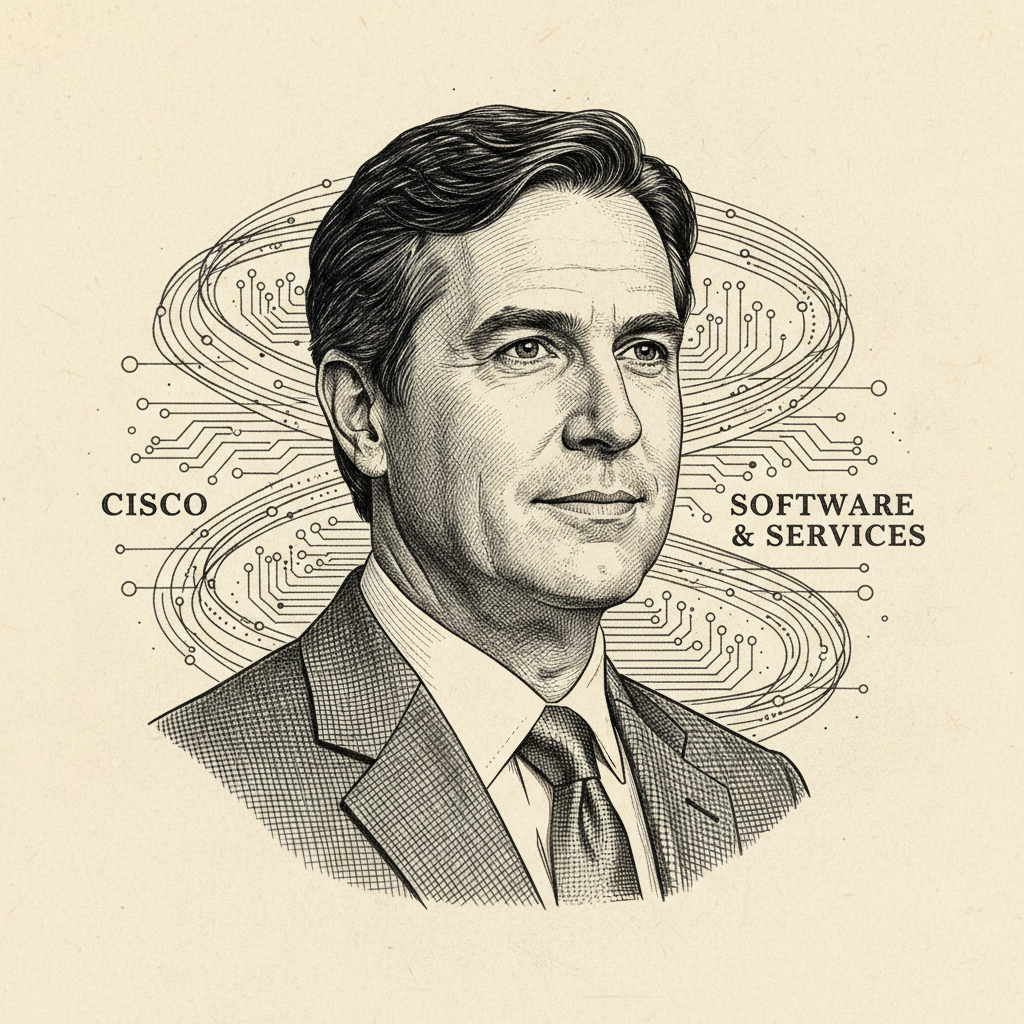
Albert Bourla
Architect of a pharmaceutical transformation, pivoting Pfizer towards high-impact biologics and mRNA technology, most notably during the COVID-19 pandemic.
Albert Bourla is a Greek-American veterinarian and businessman who has served as the Chairman and CEO of Pfizer since 2019. He joined Pfizer in 1993, holding various senior roles across multiple divisions, including President of Pfizer's Innovative Health business and Chief Operating Officer. Under his leadership, Pfizer accelerated its focus on biologics and groundbreaking technologies like mRNA, culminating in the rapid development and deployment of a COVID-19 vaccine.
Biography
Accomplishments
- 01Spearheaded Pfizer's strategic transformation, divesting non-core assets like Consumer Healthcare (2019, GSK JV) and Upjohn generics (2020, Viatris spin-off) to focus on innovative biopharmaceuticals.
- 02Oversaw the accelerated development and global deployment of the first FDA-authorized COVID-19 mRNA vaccine (BNT162b2, COMIRNATY®) in partnership with BioNTech (2020).
- 03Navigated Pfizer to record revenues, achieving $81.3 billion in 2021, primarily driven by COVID-19 vaccine and antiviral product sales.
- 04Implemented a decentralized operating model to foster agility, accountability, and faster decision-making across Pfizer's therapeutic areas.
- 05Championed internal R&D capabilities while pursuing strategic acquisitions and partnerships, enhancing Pfizer's pipeline in areas like oncology and rare diseases.
- 06Led Pfizer to become a significant contributor to global health equity by facilitating broad access to its COVID-19 vaccine through supply agreements and tiered pricing models.
Lessons for Operators
Key Takeaways
Practical lessons distilled for operators, investors, C-levels, and capital allocators.
Portfolio Rationalization
Bourla's tenure is marked by a clear strategy to rationalize Pfizer's portfolio, shedding lower-margin, less innovative businesses to concentrate capital and R&D on cutting-edge biopharmaceuticals. This has resulted in a more focused, high-growth enterprise.
Innovation as a Core Driver
Pfizer under Bourla made significant, early investments in advanced technological platforms like mRNA. This proactive embrace of novel science, even before guaranteed market success, proved critical for its pandemic response and long-term pipeline.
Operational Agility in Crisis
The rapid development and deployment of the COVID-19 vaccine showcased an unprecedented level of operational agility, compressing years of work into months. This was facilitated by empowered teams, parallel processing, and close collaboration with partners and regulators.
Global Impact & Public Trust
Bourla's leadership during the pandemic significantly elevated Pfizer's global profile and reinforced its role in public health. Navigating the complex ethical, political, and logistical challenges of vaccine distribution cemented its position as a key pharmaceutical leader.
Decentralized Management Structure
His implementation of a more decentralized operating model allowed for faster decision-making and greater accountability within individual therapeutic areas, crucial for a large, complex organization to remain competitive.
Strategic Partnerships
The highly successful collaboration with BioNTech exemplifies Bourla's willingness to forge strategic external partnerships to access critical expertise and accelerate development, rather than relying solely on internal capabilities.
Frameworks & Principles
Named frameworks and strategic principles they popularized or embodied.
Portfolio Rationalization & Focus Strategy
A strategic approach involving the divestment of non-core, lower-growth assets (e.g., consumer health, generics) to concentrate resources, capital, and management attention on high-growth, high-margin, innovative segments (e.g., biologics, oncology, vaccines).
When to useApplicable when an organization's portfolio has become sprawling, diluted, or when certain segments no longer align with the long-term strategic vision or competitive advantage. Useful for reallocating capital to areas with higher potential returns on investment.
Rapid Response 'Light Speed' Model
An organizational and operational framework designed for extreme acceleration of critical projects, often in crisis scenarios. It involves forming highly empowered, cross-functional teams, parallelizing processes, making 'at-risk' investments, and fostering intense external collaboration.
When to useIdeal for urgent, high-stakes projects requiring unprecedented speed to market or problem resolution. Best suited when the cost of delay far outweighs the risk of early investment or process deviations, as seen during the COVID-19 vaccine development.
Decentralized Operating Model
Shifting decision-making authority and operational autonomy to business units or therapeutic areas, empowering them to respond more quickly to market demands and foster greater accountability. Central functions serve primarily as enablers and strategists rather than operational controllers.
When to useEffective for large, diversified organizations operating in dynamic markets where local responsiveness and specialized expertise are crucial. It aims to reduce bureaucracy, increase agility, and cultivate an entrepreneurial mindset within distinct business units.
Recent Appearances
Latest interviews, keynotes, and press from the past half year.
 youtube.com
 youtube.com
 youtube.com
 youtube.com
 youtube.com
 youtube.com
 youtube.com
 youtube.com
 youtube.com
 youtube.com
 youtube.comyoutube.com
 youtube.com
 youtube.com
 youtube.com
 youtube.com
 youtube.com
 youtube.com
 youtube.com
 youtube.com
 youtube.com
 youtube.com
 youtube.com
 youtube.com
 youtube.com
 youtube.com
 youtube.com
 youtube.com
 youtube.com
 youtube.com
 youtube.com
 youtube.com
 youtube.com
 youtube.com
 youtube.com
 youtube.com
 youtube.com
 youtube.com
 youtube.com
 youtube.com
 youtube.com
 youtube.com
 youtube.com
 youtube.com
 youtube.com
 youtube.com
 youtube.com
 youtube.com
 youtube.com
 youtube.com
 youtube.com
 youtube.com
 youtube.com
 youtube.com
 youtube.com
 youtube.com
 m.youtube.com
 youtube.com
 youtube.com
 youtube.com
 youtube.com
 youtube.com
 m.youtube.com
 youtube.com
 youtube.com
 youtube.com
 youtube.com
 youtube.com
 youtube.com
 youtube.comyoutube.com
 youtube.com
Sources & Further Reading
Profiles, interviews, podcasts, and articles used to compile and verify this entry. Each link opens at the original publisher.
Explore Related Titans
Other figures in the archive who share Albert Bourla's domain, geography, or era.
More in Healthcare & Biotech







Contemporaries — born 1960s