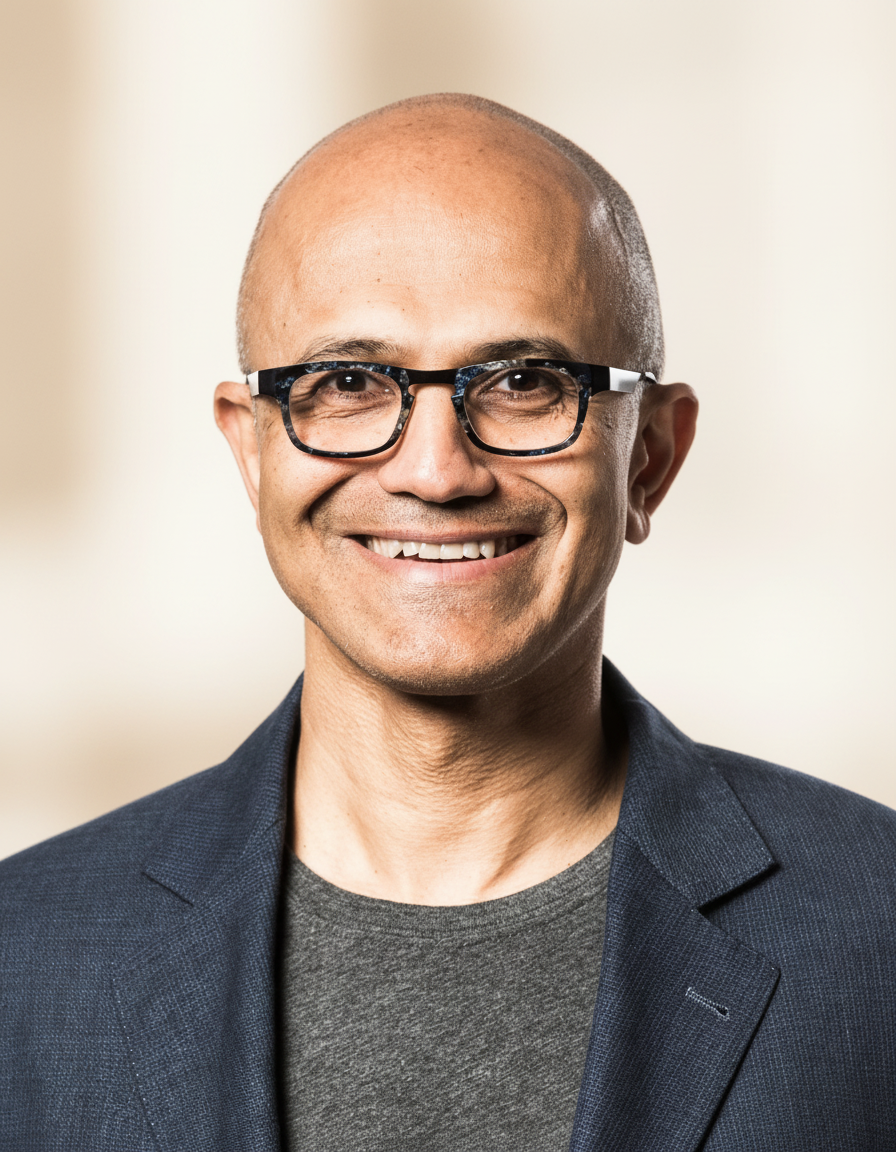
Ryan Sweeney
Ryan Sweeney is a foundational figure in early-stage venture capital, known for his prescient investments in transformative enterprise software and infrastructure companies, and for his steadfast commitment to empowering founders.
Ryan Sweeney is a Partner at Accel, a leading venture capital firm. He joined Accel in 2009 and specializes in early-stage investments in enterprise software, cybersecurity, and financial technology. His portfolio includes numerous high-growth and successful companies.
Biography
Accomplishments
- 01Led Accel's Series A investment in Segment (acquired by Twilio for $3.2B in 2020), a leading customer data platform.
- 02Early investor and board member at Slack (acquired by Salesforce for $27.7B in 2021), a pervasive enterprise communication platform, leading Accel's seed round.
- 03Oversaw Accel's investment in Atlassian (NYSE: TEAM, IPO 2015), a major enterprise software provider, joining the board post-IPO.
- 04Led Accel's investment in Calendly, a prominent scheduling automation platform, participating in its Series B round.
- 05Instrumental in early investments for cybersecurity firm Tenable (NASDAQ: TENB, IPO 2018).
- 06Key early investor in browser automation platform Cypress.io.
- 07Supported the growth of Intercom, a customer messaging platform, through multiple funding rounds.
- 08Recognized consistently on the Forbes Midas List for his investment successes.
Lessons for Operators
Key Takeaways
Practical lessons distilled for operators, investors, C-levels, and capital allocators.
Founder-Centric Investing
Sweeney prioritizes backing exceptional founders, believing that strong leadership can pivot and adapt to market changes. Investors should focus as much on the team as on the idea.
Enterprise Software Dominance
His portfolio demonstrates a consistent focus on enterprise software and infrastructure, particularly those that redefine how businesses operate or manage data. This niche expertise allows for deeper insight and better deal flow.
Early Identification of Category Leaders
Sweeney has a strong ability to identify nascent companies that will become category-defining leaders, often at very early stages. This requires a strong vision for future market dynamics.
Strategic Patience
While early-stage, many of his significant returns materialized over years. This highlights the importance of patient capital and long-term vision in venture investing.
Frameworks & Principles
Named frameworks and strategic principles they popularized or embodied.
Product-Led Growth (PLG) Evaluation
Assess how a product's inherent design and functionality drive user acquisition, activation, retention, and revenue without significant outbound sales efforts.
When to useWhen evaluating early-stage software companies, particularly those targeting developers or small-to-medium businesses, to identify scalable and efficient growth models.
Developer-First Market Analysis
Examine the pain points of developers and the potential for new tools, platforms, or APIs to significantly improve their workflow, efficiency, or creative capabilities. Such products often have high viral potential.
When to useWhen investigating new investment opportunities in developer tools, infrastructure, or cybersecurity, to gauge potential for widespread organic adoption.
Foundational Infrastructure Trend Spotting
Identify underlying technological shifts (e.g., cloud computing, AI, decentralized networks) and pinpoint companies building the essential plumbing or core services required for these shifts to unfold.
When to useWhen seeking investments that will become indispensable components of future technology stacks, providing long-term strategic value and resilience.
Explore Related Titans
Other figures in the archive who share Ryan Sweeney's domain, geography, or era.
More in Finance & Investing









From United States