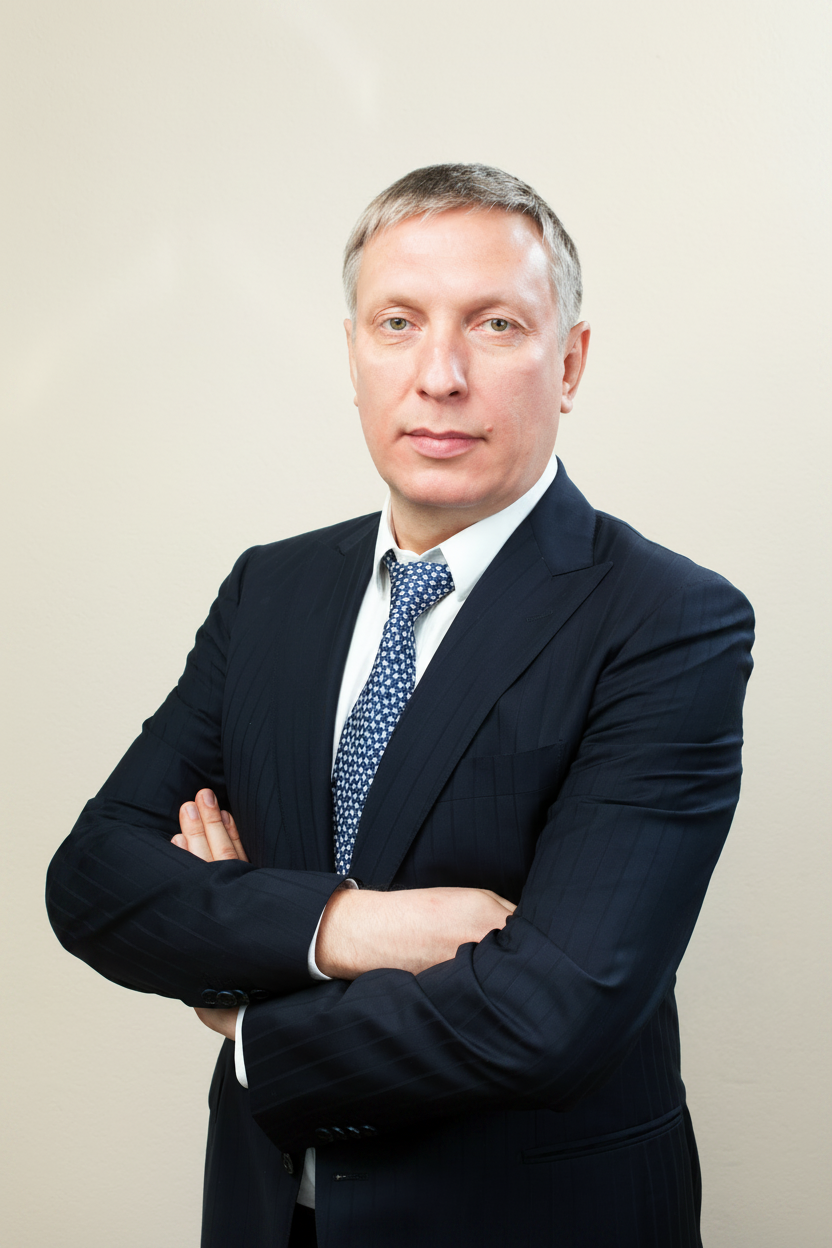
Ratmir Timashev
Serial entrepreneur and investor, primarily in enterprise software and data management, known for co-founding Veeam Software and Aternity, and backing numerous tech ventures.
Ratmir Timashev is a highly successful serial entrepreneur and venture capitalist with a deep focus on enterprise software and data management. He co-founded Veeam Software, which was acquired by Insight Partners for $5 billion in 2020, and Aternity, acquired by Riverbed Technology in 2016. Through his venture fund, ABRT, he has invested in numerous early-stage technology companies, contributing significantly to the enterprise tech ecosystem.
Biography
Accomplishments
- 01Co-founded Aelita Software in 1997, a Windows NT systems management company, which was acquired by Quest Software for ~$115 million in 2004.
- 02Co-founded Veeam Software in 2006, leading its growth to over $1 billion in annual revenue, culminating in its acquisition by Insight Partners for $5 billion in March 2020.
- 03Co-founded Aternity (initially Apere) in 2004, an End User Experience Monitoring (EUEM) company, which was acquired by Riverbed Technology in August 2016.
- 04Co-founded ABRT venture fund, making strategic early-stage investments in over 30 enterprise software and B2B SaaS companies, including successful exits like Kasten and NGINX.
- 05Successfully transitioned from operational leadership (CEO of Veeam) to strategic board roles and venture capital, demonstrating adaptability and diverse value creation.
- 06Identified and capitalized on major industry shifts, including the rise of virtualization (Veeam) and end-user experience management (Aternity).
Lessons for Operators
Key Takeaways
Practical lessons distilled for operators, investors, C-levels, and capital allocators.
The Power of Solving Foundational Problems
Timashev's ventures consistently addressed core IT infrastructure challenges rather than fleeting trends. Solutions for data protection, systems management, and performance monitoring are perennial needs for enterprises. This 'picks and shovels' approach creates durable businesses with high demand.
Serial Entrepreneurship with a Core Team
His repeated success with co-founder Andrei Baronov highlights the immense value of a trusted, long-term partnership. A well-aligned co-founding team can efficiently iterate on ideas, scale ventures, and navigate complex challenges, exponentially increasing the probability of success across multiple companies.
Evolving from Operator to Investor
Timashev's transition from leading companies like Veeam to strategic investing with ABRT demonstrates a natural progression for successful entrepreneurs. Leveraging deep domain expertise and operational lessons learned empowers better investment decisions and provides invaluable mentorship to portfolio companies.
Strategic Exits and Capital Recycling
The well-timed acquisitions of Aelita, Aternity, and Veeam underscore the importance of understanding market cycles and maximizing shareholder value. Reinvesting proceeds from successful exits into new ventures (both operational and investment) fuels a virtuous cycle of wealth creation.
Frameworks & Principles
Named frameworks and strategic principles they popularized or embodied.
Problem-Solution Fit in Enterprise IT
This framework emphasizes deeply understanding critical, often unaddressed, pain points within an enterprise IT environment and developing a robust, targeted software solution. It's about moving beyond superficial features to core operational necessities.
When to useApplicable when identifying new product opportunities in B2B software, especially in infrastructure, cybersecurity, or data management. Focus on challenges that are non-optional for businesses (e.g., data loss, system downtime, security breaches).
Co-Founder Synergy Model
This model prioritizes building a co-founding team with complementary skill sets (e.g., technical deep dive vs. business strategy), shared vision, mutual trust, and a proven track record of collaboration. It minimizes internal friction and maximizes collective execution.
When to useEssential during the initial formation stages of any startup. Critical for evaluating potential co-founders and fostering a resilient partnership that can withstand the inevitable challenges of scaling a business.
Strategic Market Timing for B2B Exits
This framework involves analyzing the broader technology M&A landscape, understanding demand from strategic acquirers and private equity, and positioning a company for optimal valuation at specific inflection points (e.g., hitting revenue milestones, achieving market leadership, or during periods of high sector consolidation).
When to useRelevant for founders and boards preparing for liquidity events, typically once a company has achieved significant scale and market traction. Requires ongoing market intelligence and engagement with potential acquirers.
Sources & Further Reading
Profiles, interviews, podcasts, and articles used to compile and verify this entry. Each link opens at the original publisher.
Explore Related Titans
Other figures in the archive who share Ratmir Timashev's domain, geography, or era.
More in Technology








From United States


Contemporaries — born 1960s