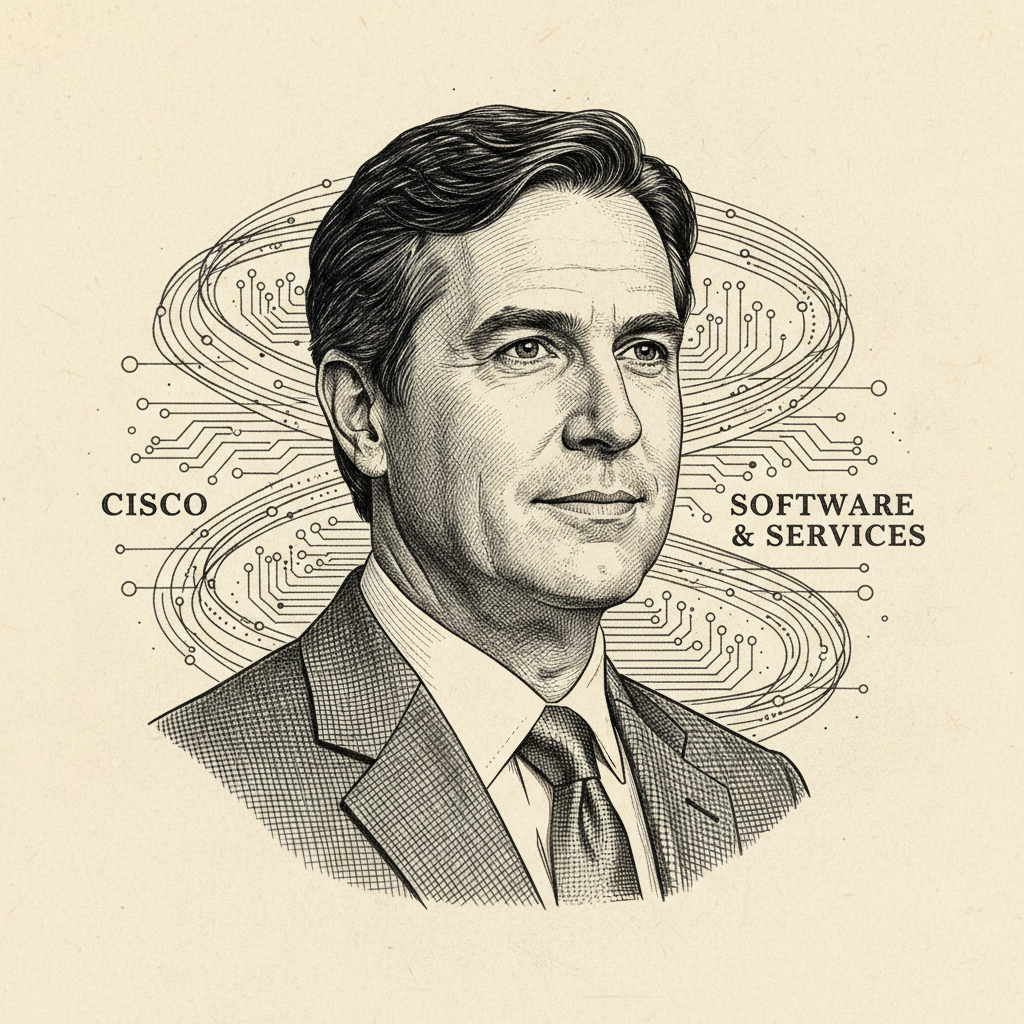
Phil Spencer
Phil Spencer: Architect of Microsoft's Gaming Renaissance and Strategic Visionary for Interactive Entertainment.
Phil Spencer is the CEO of Microsoft Gaming, leading the global Xbox business, including consoles, content, and services. Starting at Microsoft in 1988, Spencer ascended through various technology and gaming roles, becoming head of Xbox in 2014 and CEO of Microsoft Gaming in 2022. He is credited with revitalizing the Xbox brand through strategic acquisitions, the expansion of Xbox Game Pass, and a steadfast commitment to player-centric experiences and cross-platform accessibility.
Biography
Accomplishments
- 01Orchestrated the acquisition of Activision Blizzard for $69 billion (2023), significantly expanding Microsoft's gaming IP portfolio and market share.
- 02Launched and scaled Xbox Game Pass (2017), transforming it into a cornerstone subscription service with over 30 million subscribers, driving recurring revenue and customer loyalty.
- 03Led the acquisition of ZeniMax Media (2021) for $7.5 billion, integrating key studios like Bethesda Softworks and id Software, bolstering Xbox's first-party content.
- 04Championed Xbox's cloud gaming initiative (Xbox Cloud Gaming), expanding gaming access across multiple devices without dedicated console hardware.
- 05Guided Xbox through the launch of the Xbox Series X|S consoles (2020), delivering competitive next-generation hardware during a challenging global supply chain environment.
- 06Shifted Xbox's strategic focus from console sales to an ecosystem-wide approach, encompassing services, content, and cross-platform play.
- 07Advocated for enhanced accessibility features and diversity within gaming, contributing to a more inclusive industry.
Lessons for Operators
Key Takeaways
Practical lessons distilled for operators, investors, C-levels, and capital allocators.
Ecosystem-Centric Strategy
Spencer successfully pivoted Xbox from a hardware-first strategy to an ecosystem-driven model centered around Xbox Game Pass, cloud gaming, and expansive content libraries. This approach mitigates reliance on console sales and captures value across a broader user base.
Aggressive Content Acquisition
The strategic acquisition of major publishers like ZeniMax Media and Activision Blizzard demonstrates a clear commitment to securing valuable intellectual property and first-party content, essential for competing in the subscription and streaming wars.
Subscription Model Innovation
Xbox Game Pass exemplifies a successful disruptive business model, providing extensive value at a predictable monthly cost. This fosters customer loyalty and offers a stable revenue stream, proving superior to transactional sales alone in many segments.
Cloud as a Distribution Channel
Microsoft's significant investment in Xbox Cloud Gaming showcases the future of content distribution. Leveraging existing cloud infrastructure (Azure) allows for reaching users on a wider array of devices, expanding market reach beyond traditional consoles.
The Importance of Brand Reinvigoration
Spencer inherited a brand facing challenges but successfully revitalized it by focusing on player value, accessibility, and direct community engagement, illustrating how strong leadership can turn around perception and market position.
Navigating Regulatory Headwinds
The Activision Blizzard acquisition demonstrated the complexity of large-scale M&A in heavily scrutinized sectors. Spencer's team successfully navigated intense global regulatory review by emphasizing consumer benefits and competitive dynamics.
Commitment to Open Platforms
By promoting cross-platform play and PC-first launches, Spencer has positioned Xbox as a more open and inclusive gaming platform, moving away from strict console exclusivity, which can broaden market appeal and developer relationships.
Frameworks & Principles
Named frameworks and strategic principles they popularized or embodied.
Ecosystem Strategy (Platform Business Model)
A business model where value is created by facilitating interactions between multiple interdependent groups (e.g., players, developers, content creators) rather than just linear value chains. Xbox Game Pass and cloud gaming are central to this, attracting players and developers to the Xbox ecosystem.
When to useApplicable when building or scaling a business that thrives on network effects, diverse stakeholders, and aims to reduce reliance on single product sales. Effective in industries like tech, media, and e-commerce where platform control drives competitive advantage.
Acquisition-Led Growth (M&A Strategy)
A strategy focused on inorganic growth through the purchase of other companies to gain market share, IP, technology, or talent. Microsoft's acquisitions of ZeniMax and Activision Blizzard exemplify this, rapidly expanding their gaming portfolio.
When to useSuitable when organic growth is too slow, market consolidation is occurring, or there's a need to quickly acquire specific capabilities, intellectual property, or customer bases. Requires careful due diligence and integration planning.
Subscription Economy Model
Shifting from a transactional sales model to a recurring revenue model where customers pay a periodic fee for access to a service or product. Xbox Game Pass is a prime example, providing a 'Netflix for games' experience.
When to useIdeal for businesses that can offer continuous value, desire predictable revenue streams, and aim to build long-term customer relationships. Requires a strong value proposition to justify ongoing payments.
Cloud-Native Transformation
Re-architecting services and operations to leverage cloud computing's scalability, flexibility, and global reach. Xbox Cloud Gaming demonstrates how cloud infrastructure can fundamentally alter product delivery and accessibility.
When to useRelevant for businesses looking to enhance global scalability, reduce infrastructure costs, improve service delivery, and enable new consumption models (e.g., streaming, remote access). Critical for digital-first enterprises.
Recent Appearances
Latest interviews, keynotes, and press from the past half year.
 youtube.com
 youtube.com
 youtube.com
 youtube.com
 youtube.com
 youtube.com
 youtube.com
 youtube.com
 youtube.com
 youtube.com
 youtube.com
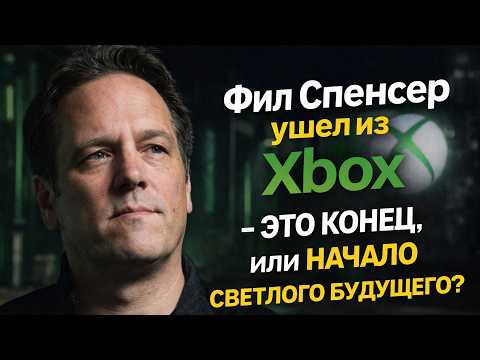 youtube.com
 youtube.com
 youtube.com
 youtube.com
 youtube.com
 youtube.com
 youtube.com
 youtube.com
 youtube.com
 youtube.com
 youtube.com
 youtube.com
 youtube.com
 youtube.com
 youtube.com
 youtube.com
 youtube.com
 youtube.com
 youtube.com
 youtube.com
 youtube.com
 youtube.com
 youtube.com
 youtube.com
Explore Related Titans
Other figures in the archive who share Phil Spencer's domain, geography, or era.
More in Technology







From United States




Contemporaries — born 1960s