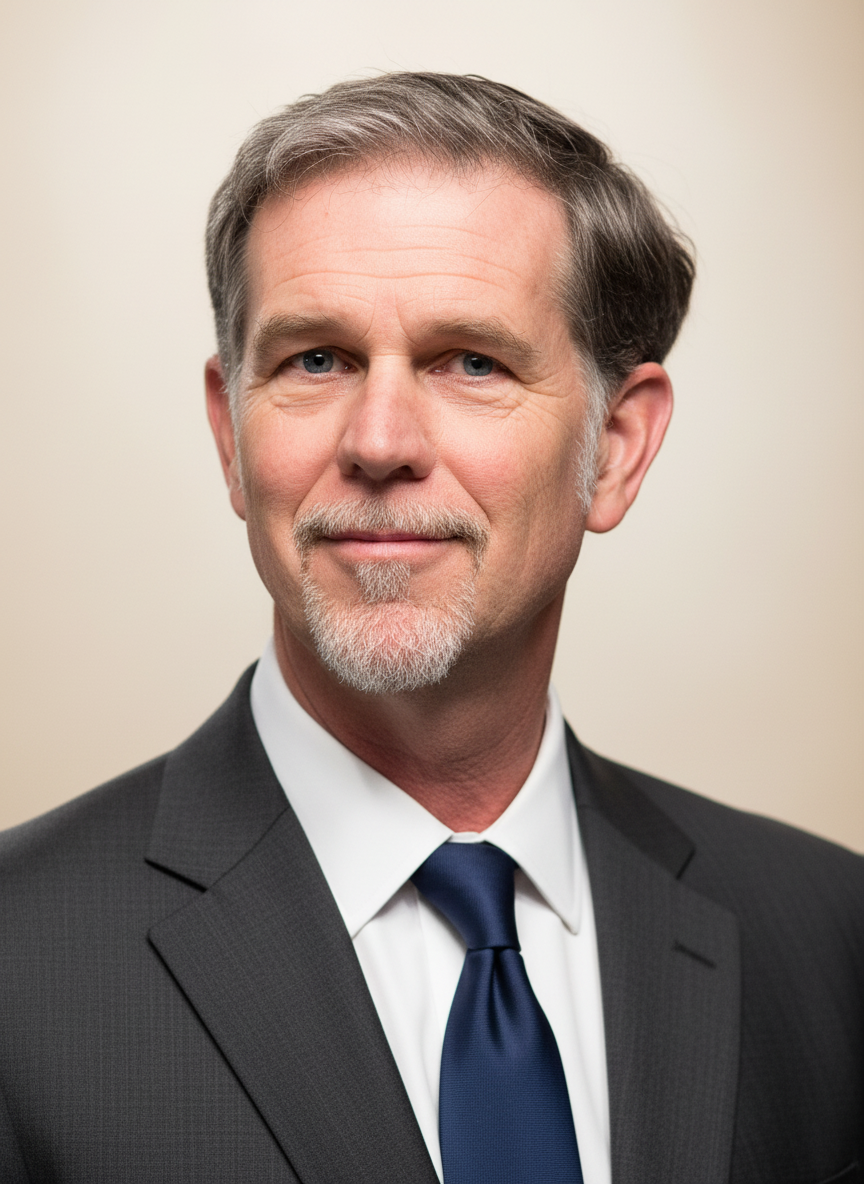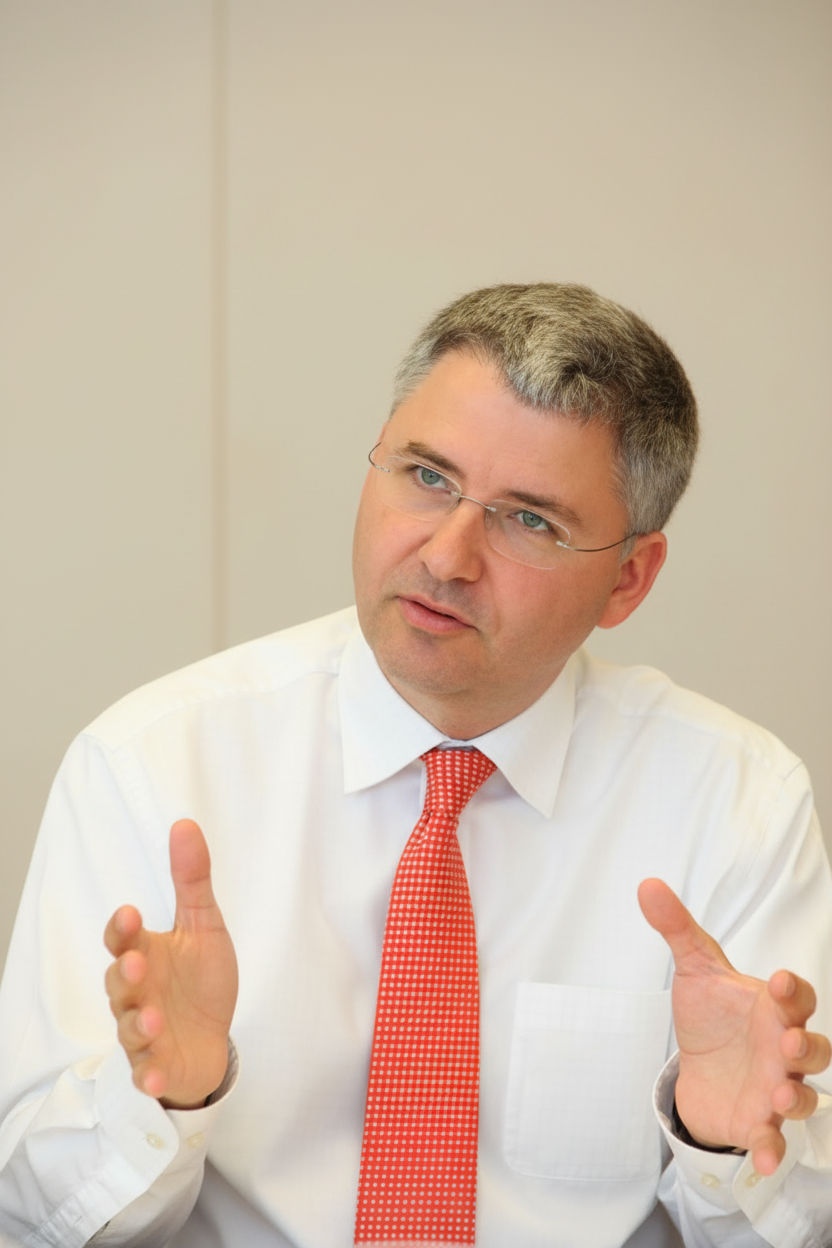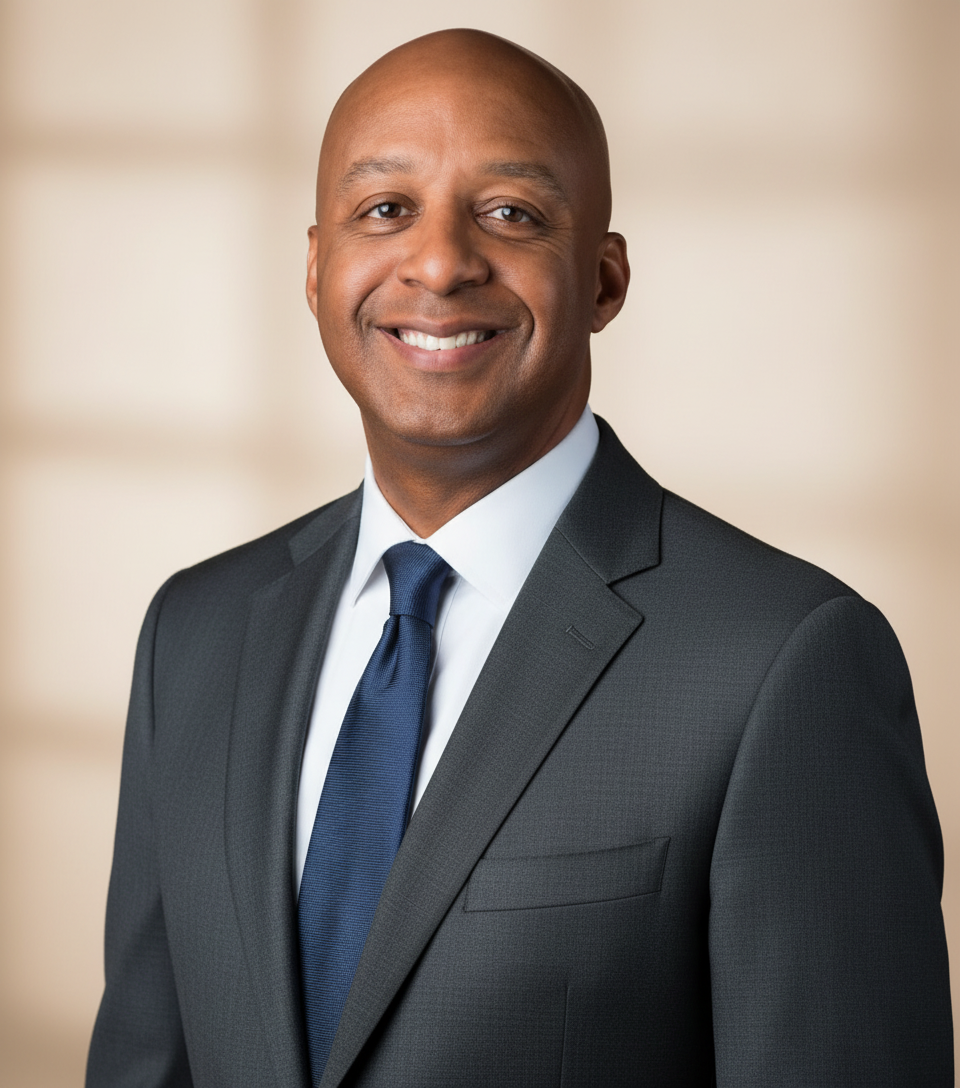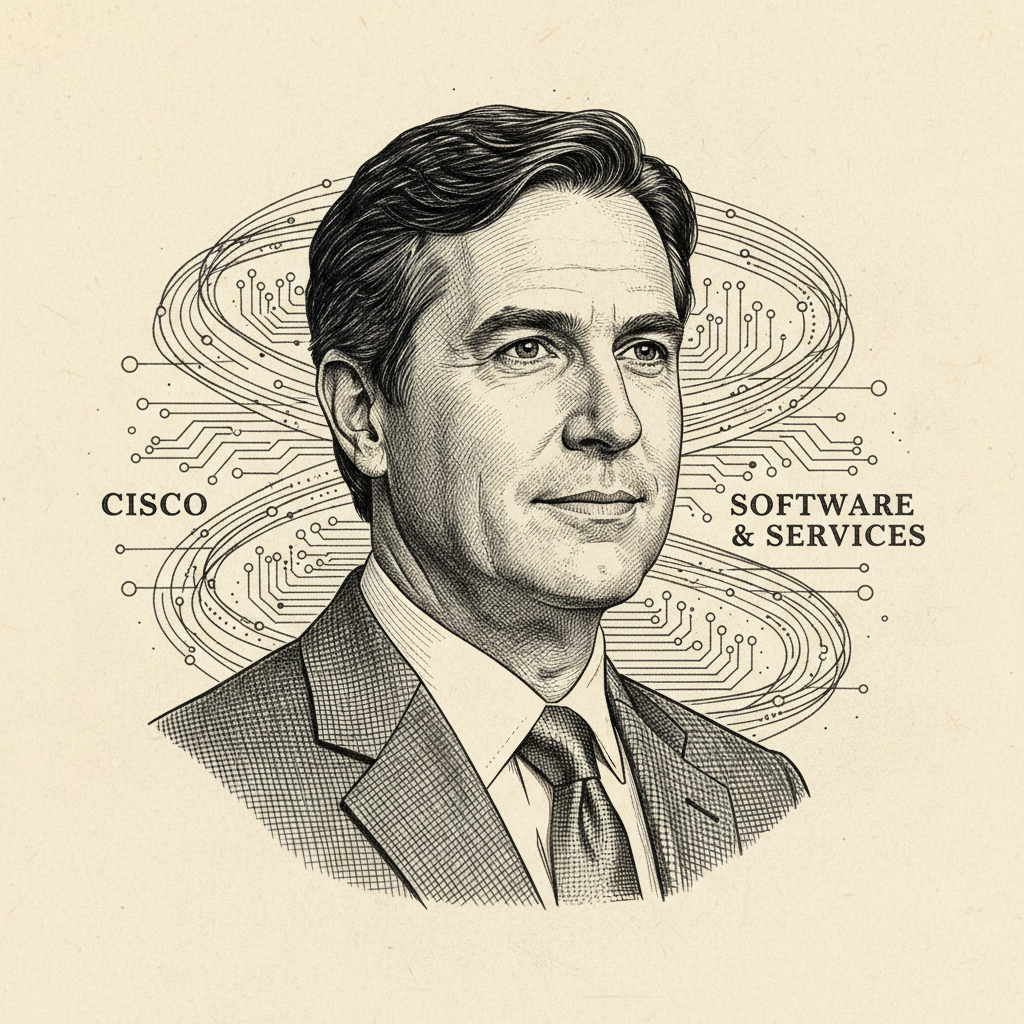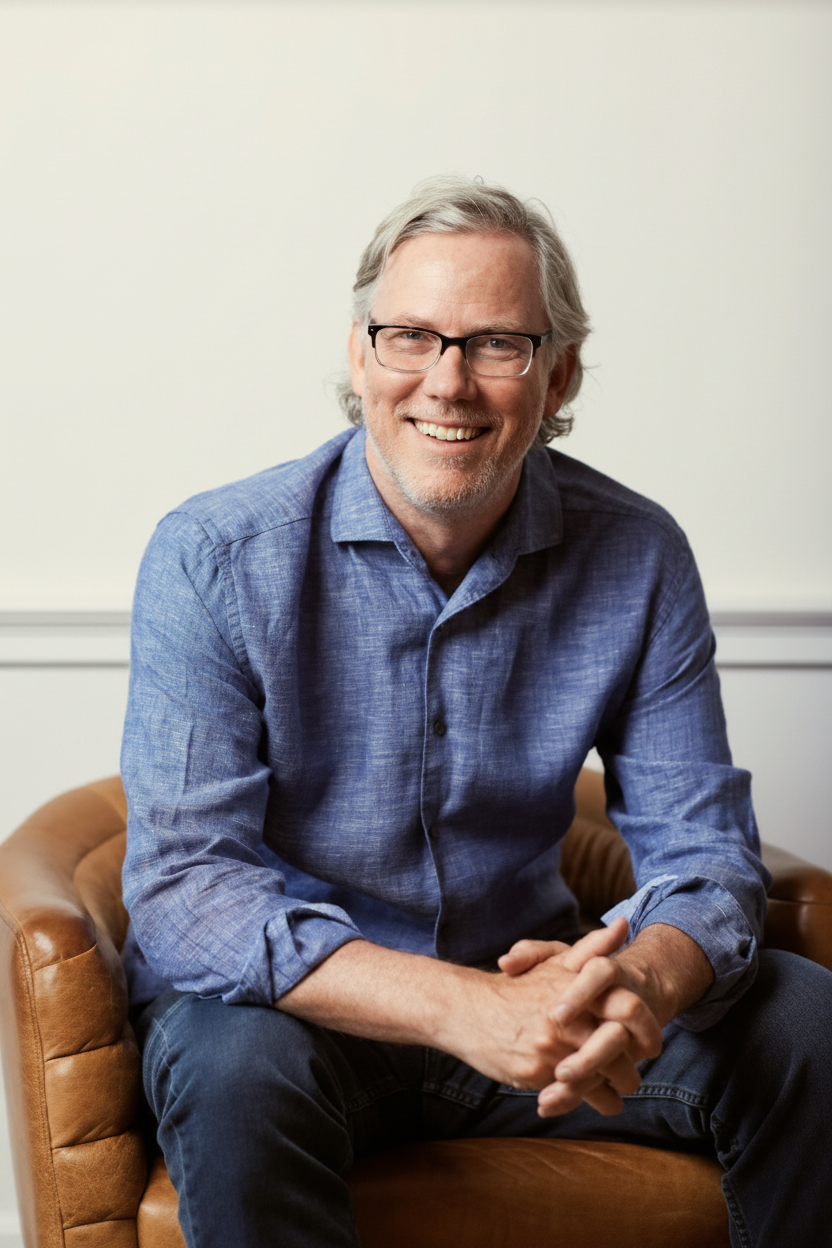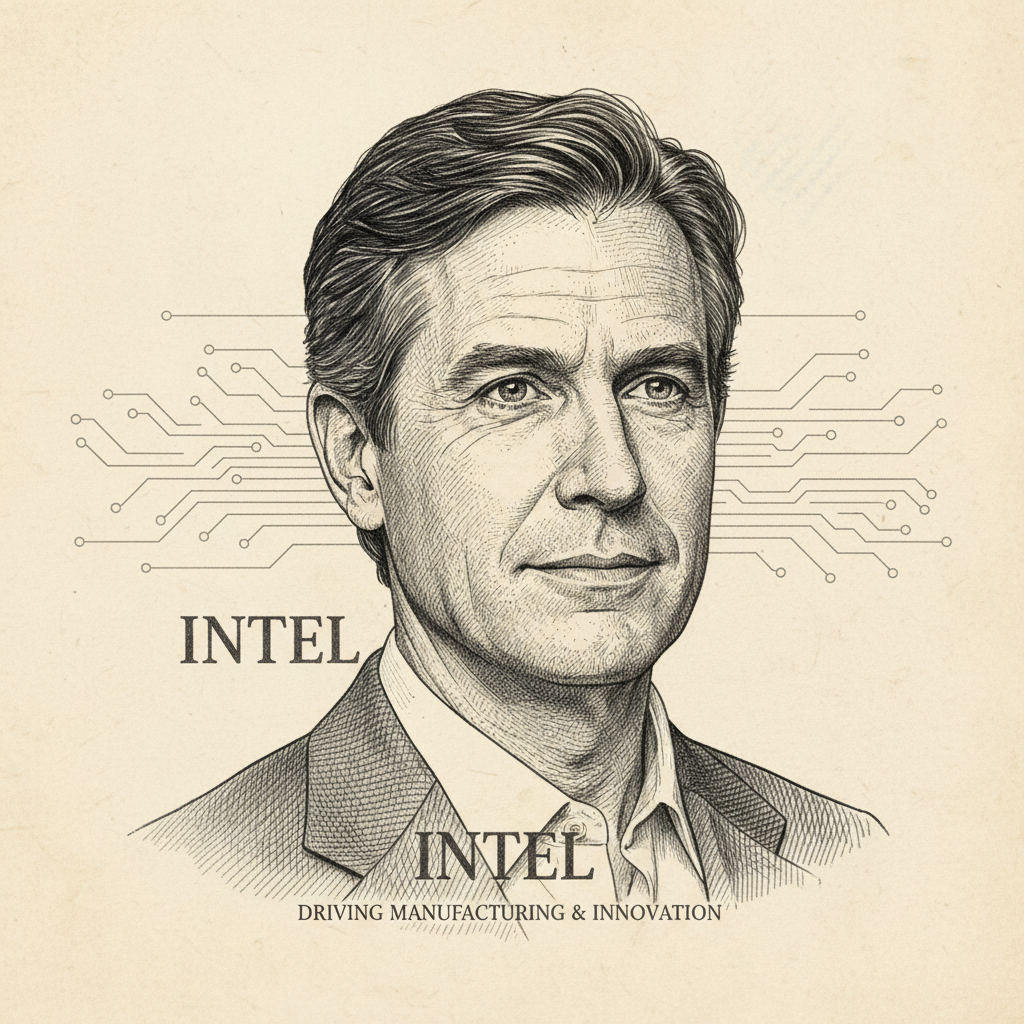
Pat Gelsinger
A technologist and business leader known for his deep technical expertise and strategic vision, particularly in navigating complex industry transformations.
Pat Gelsinger is an American business executive and engineer, currently serving as the CEO of Intel Corporation. He previously held the position of CEO at VMware and spent 30 years at Intel in various leadership roles, including Chief Technology Officer, before returning as CEO in 2021. Known for his technical prowess and strategic focus on innovation and manufacturing leadership.
Biography
Accomplishments
- 01Led Intel's transition from a memory company to a microprocessor powerhouse during his initial 30-year tenure, playing key roles in the 80486, Pentium, and original USB and Wi-Fi developments.
- 02Engineered significant growth and portfolio expansion as CEO of VMware from 2012 to 2021, nearly tripling revenue and evolving the company beyond core virtualization into cloud, networking, and security solutions.
- 03Initiated and is actively executing Intel's 'IDM 2.0' strategy since 2021, a multi-faceted plan to regain process technology leadership, expand manufacturing capacity through internal fabs and third-party foundries, and establish Intel Foundry Services (IFS).
- 04Secured substantial government incentives and partnerships, including the announced construction of new fabs in Arizona, Ohio, and Germany, underpinning Intel's long-term manufacturing ambitions and aligning with global semiconductor supply chain resilience efforts.
- 05Orchestrated significant organizational restructuring and culture shift at Intel post-2021, aiming to instill greater accountability, innovation, and a 'customer-first' mindset to compete more effectively against rivals like TSMC and NVIDIA.
- 06Successfully brought Intel back to a more competitive footing in process technology with the introduction of Intel 4 and Intel 3, demonstrating progress towards regaining leadership after prior delays.
Lessons for Operators
Key Takeaways
Practical lessons distilled for operators, investors, C-levels, and capital allocators.
Integrated Device Manufacturing (IDM) 2.0
Gelsinger's core strategy for Intel, focusing on a hybrid manufacturing model: continued internal design and manufacturing, increased reliance on external foundries for specific products, and establishing Intel Foundry Services (IFS) to manufacture chips for others. This is a multi-decade play to re-establish Intel's process technology leadership and diversify revenue streams.
The Importance of First Principles
Gelsinger consistently emphasizes returning to Intel's engineering roots and technical excellence. This means investing heavily in R&D, attracting top engineering talent, and prioritizing process technology advancements, a direct response to Intel's struggles in recent years.
Capital Intensive Turnaround
Revitalizing a semiconductor giant requires immense capital expenditure. Gelsinger has committed tens of billions to new fabs and R&D, indicating a high-stakes, long-term bet on regaining market share and technological leadership. This necessitates strong investor communication and government support (e.g., CHIPS Act).
Ecosystem and Partnership Focus
Beyond internal initiatives, Gelsinger has actively pursued partnerships across the industry, from foundry customers for IFS to collaborations on standards and advanced packaging. This indicates a recognition that no single company can dominate all aspects of the complex semiconductor value chain alone.
Culture as a Competitive Advantage
His focus on rebuilding Intel's culture around speed, execution, accountability, and customer obsession is a critical, albeit less tangible, component of his strategy. A high-performance culture is essential for executing ambitious technical and manufacturing roadmaps.
Frameworks & Principles
Named frameworks and strategic principles they popularized or embodied.
IDM 2.0 Strategy
A hybrid manufacturing model comprising internal chip design and manufacturing, increased use of third-party foundries for specific products, and the establishment of Intel Foundry Services (IFS) to offer manufacturing capacity to other companies.
When to useApplicable for large, established technology companies in capital-intensive industries facing competitive pressure and needing to re-evaluate their core business model, especially regarding vertical integration versus external sourcing.
First Principles Thinking in Turnarounds
A strategic approach where a leader returns to the fundamental truths and core competencies of a business to rebuild it, rather than relying on analogies or previous assumptions. For Intel, this meant re-prioritizing process technology leadership and engineering excellence.
When to useUseful for leaders taking over companies that have lost their competitive edge or drifted from their core mission, particularly in technology-driven sectors where foundational innovation is key.
Capital-Intensive Reinvestment Strategy
A strategy involving massive, long-term capital allocation into core infrastructure, R&D, and manufacturing capabilities to regain or establish market leadership, often requiring significant upfront investment and patience from shareholders.
When to useAppropriate for industries with high barriers to entry, long product cycles, and where control over key production assets (e.g., fabs, advanced materials) provides a durable competitive advantage.
Recent Appearances
Latest interviews, keynotes, and press from the past half year.
 youtube.com
 youtube.com
 youtube.com
 youtube.com
 youtube.com
 youtube.com
 youtube.com
![[32] Ian Interviews: Pat Gelsinger, Intel CEO](https://i.ytimg.com/vi/0PrmrMQ9gJU/hqdefault.jpg) youtube.com
youtube.com youtube.com
 youtube.com
 youtube.com
 youtube.com
 youtube.com
 youtube.com
 youtube.com
 youtube.com
 youtube.com
 youtube.com
 youtube.com
Sources & Further Reading
Profiles, interviews, podcasts, and articles used to compile and verify this entry. Each link opens at the original publisher.
Explore Related Titans
Other figures in the archive who share Pat Gelsinger's domain, geography, or era.
More in Technology



From United States

Contemporaries — born 1960s