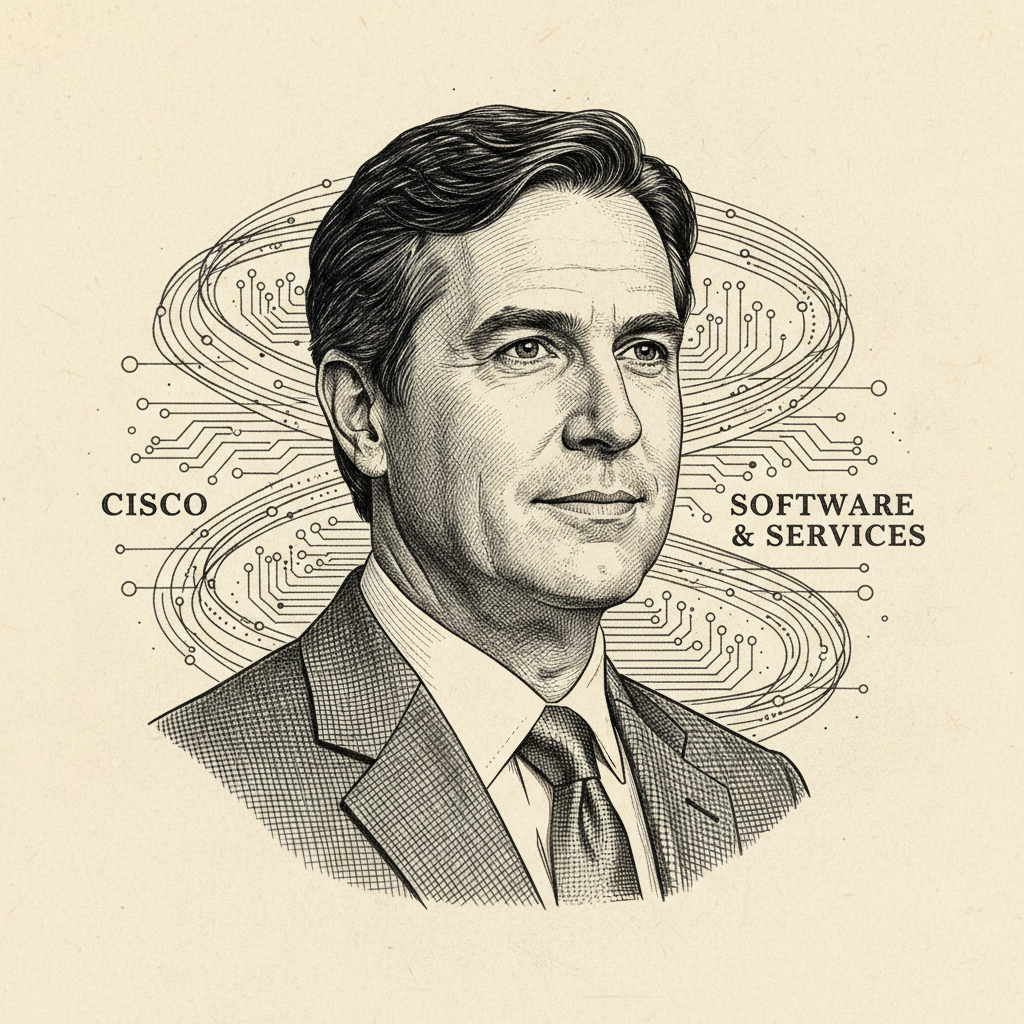
Michael Dell
Architect of direct-to-consumer computing and a pivotal figure in modern private equity.
Michael Dell founded Dell Computer Corporation in 1984, pioneering the direct-to-consumer sales model for personal computers. He led the company through massive growth, a transformative public-to-private buyout in 2013, and a subsequent re-entry to the public markets, demonstrating remarkable resilience and strategic acumen.
Biography
Accomplishments
- 01Founded Dell Computer Corporation (later Dell Inc.) in 1984, pioneering the direct-to-consumer model for PCs, bypassing retailers to offer custom-built systems at lower costs.
- 02Led Dell to become the world's largest PC manufacturer by 2001, demonstrating effective supply chain management and inventory optimization (e.g., build-to-order system reducing inventory to days).
- 03Orchestrated the $24.9 billion leveraged buyout of Dell Inc. in 2013, taking the company private to enable a comprehensive multi-year transformation free from short-term public market pressures.
- 04Engineered the $67 billion acquisition of EMC Corporation in 2016, creating Dell Technologies. This transaction, which included VMware, positioned the combined entity as a leading end-to-end IT infrastructure provider.
- 05Successfully returned Dell Technologies to the public markets in 2018 through a Class V tracking stock exchange for VMware shares, demonstrating complex financial engineering and strategic value creation.
- 06Established a significant investment legacy through MSD Partners (originally MSD Capital, his family office), investing in a diverse portfolio including real estate, private equity, and public equities.
Lessons for Operators
Key Takeaways
Practical lessons distilled for operators, investors, C-levels, and capital allocators.
Direct Model Superiority
Dell's early success validated that a direct-to-consumer model can reduce costs, improve customer responsiveness, and offer customizable products, fundamentally disrupting established industries. This principle is applicable beyond hardware to subscription services and software delivery.
Strategic Privatization
Taking a public company private can be a powerful tactic for profound corporate restructuring when battling market commoditization or needing to make long-term, expensive investments unpalatable to public shareholders. It provides the necessary breathing room for radical change.
Ecosystem Expansion via M&A
The EMC acquisition demonstrated that strategic M&A can transform a company from a single-product focus (PCs) to a comprehensive solutions provider, creating a broader, more resilient ecosystem. The scale and breadth gained were critical for competing with diversified giants.
Financial Engineering as a Strategic Tool
Dell utilized complex financial structures, including leveraged buyouts and tracking stocks, not just for financial efficiency, but as core elements of his corporate transformation strategy. This shows that financial architecture can be as strategic as product development or market entry.
Relentless Customer Focus
From its inception, Dell emphasized understanding and meeting customer needs directly. This customer-centric approach, built into its 'build-to-order' model, remained a constant through market upheavals and corporate transformations.
Frameworks & Principles
Named frameworks and strategic principles they popularized or embodied.
Direct-to-Consumer (DTC) Model
A business model where a company sells its products directly to end-users, bypassing traditional third-party retailers or wholesalers. Dell epitomized this by offering customizable PCs built to order.
When to useApplicable when a company seeks to reduce distribution costs, gain direct control over customer relationships, gather first-party data, and offer personalized products or services. Requires robust logistics, customer service, and digital marketing capabilities.
Strategic Privatization (LBO for Transformation)
Taking a publicly traded company private, often through a leveraged buyout (LBO), to escape short-term public market pressures and enable a long-term, capital-intensive restructuring or strategic pivot. Dell Inc.'s 2013 buyout is a prime example.
When to useConsider when a company faces fundamental industry shifts, requires deep reinvestment without immediate returns, or needs to execute a complex multi-year strategy immune to quarterly scrutiny. Requires access to substantial private capital and strong leadership alignment.
End-to-End Solutions Provider Strategy
A strategy to grow beyond a core product by acquiring or developing capabilities to offer a comprehensive suite of hardware, software, and services that address all aspects of a customer's needs within a specific domain (e.g., IT infrastructure). Dell's acquisition of EMC achieved this.
When to useEffective for companies operating in consolidating markets or when customers prefer single-vendor solutions for complex needs. Requires significant M&A capability, integration expertise, and a clear vision of the holistic value proposition.
Sources & Further Reading
Profiles, interviews, podcasts, and articles used to compile and verify this entry. Each link opens at the original publisher.
Explore Related Titans
Other figures in the archive who share Michael Dell's domain, geography, or era.
More in Technology









From United States




Contemporaries — born 1960s