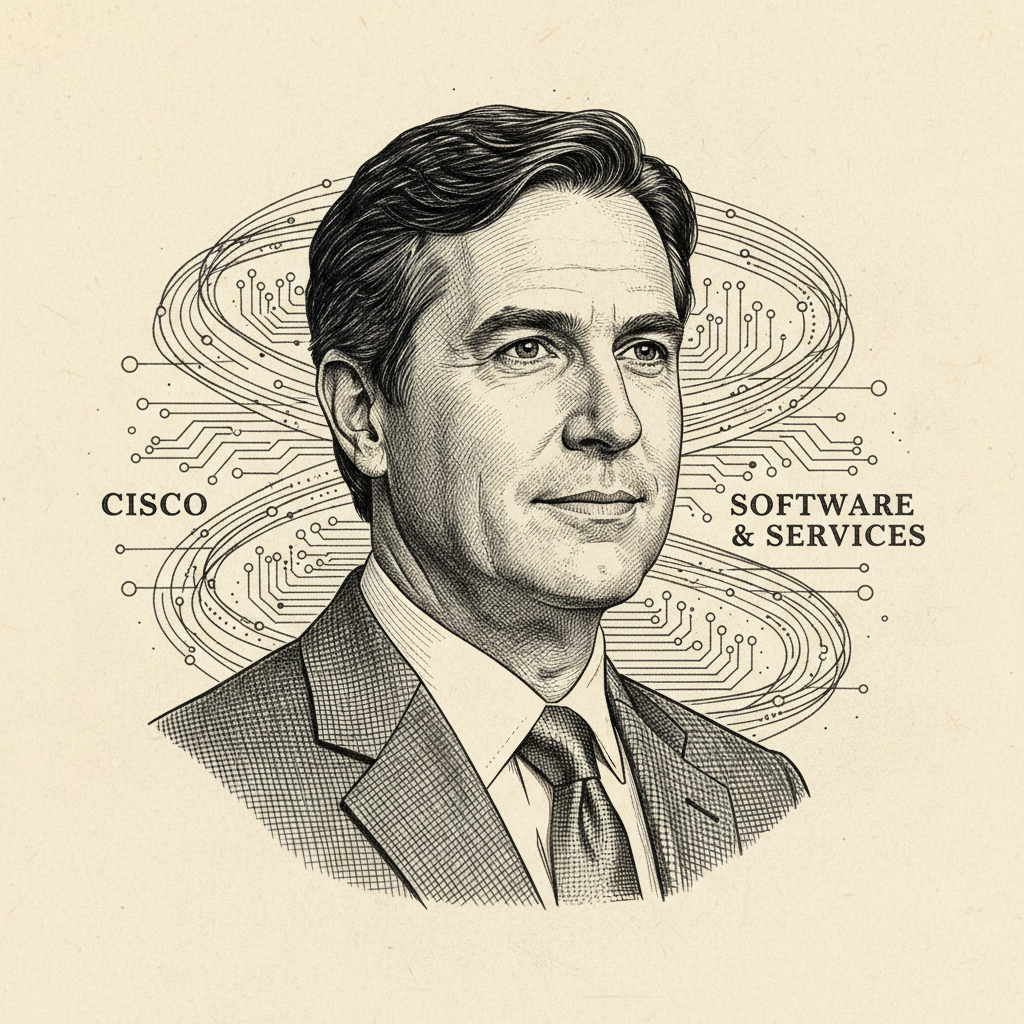
Mark Papermaster
Architect of Modern Computing Platforms: Spearheading Innovation and Integration at AMD, Apple, and IBM.
Mark Papermaster is a distinguished leader in the semiconductor industry, known for his instrumental roles in driving technology and engineering innovation at AMD, Apple, and IBM. As CTO of AMD since October 2011, he has been central to the company's resurgence, overseeing the development and delivery of its high-performance computing and graphics products.
Biography
Accomplishments
- 01Spearheaded the development and execution of AMD's Zen CPU architecture roadmap, leading to a significant increase in market share in client and server segments (e.g., Ryzen, EPYC processor lines, beginning with Zen 1 in 2017).
- 02Orchestrated the engineering and technological revival of AMD, driving a strategic shift towards high-performance computing and graphics, resulting in substantial revenue growth and market competitiveness from 2017 onwards.
- 03Led hardware engineering for key Apple products, including the iPhone and iPod, during 2008-2010, contributing to critical product development cycles like the iPhone 4.
- 04Held various leadership roles at IBM for 26 years, including Vice President of the BladeCenter Division, contributing to mainframe and server system architecture and development until 2008.
- 05Pioneered the adoption of chiplet-based designs and advanced packaging technologies at AMD, enhancing performance, scalability, and cost-efficiency across their product portfolio since the foundational work on Zen.
- 06Oversaw the integration of advanced security features and platform resilience into AMD's product lines, enhancing their value proposition for enterprise and data center customers since 2018.
Lessons for Operators
Key Takeaways
Practical lessons distilled for operators, investors, C-levels, and capital allocators.
Holistic Technology Leadership
Papermaster's combined role as CTO and head of engineering exemplifies the power of aligning technological vision with execution capabilities. For leaders, this means ensuring that strategic R&D is deeply integrated with product development pipelines.
Long-Term Architectural Commitment
The multi-year dedication to the Zen architecture without immediate returns showcases the necessity of sustained, patient investment in foundational IP. Businesses should identify and fund 'bet-the-company' R&D initiatives for durable competitive advantage.
Turnaround Through Technical Excellence
AMD's resurgence under Papermaster's technical guidance demonstrates that even struggling companies can regain market leadership by focusing relentlessly on engineering superior products. This requires a cultural shift towards innovation and quality.
Strategic Talent Management
Rebuilding an engineering organization is not just about resources; it's about attracting, empowering, and retaining the best minds. Enterprises should prioritize creating an environment where top technical talent can thrive and innovate.
Platform Thinking
Developing scalable, versatile architectures (like Zen, extending from client to server) provides significant leverage. Companies should design products with future extensibility and diverse market applications in mind, maximizing R&D efficiency.
Frameworks & Principles
Named frameworks and strategic principles they popularized or embodied.
Architectural Roadmapping (Multi-Generational Planning)
A strategic approach to product development that defines a long-term vision for core technology architectures (e.g., CPU, GPU) across multiple product generations, ensuring continuity, compatibility, and continuous improvement. It involves outlining key features, performance targets, and underlying technological innovations for successive releases.
When to useApplicable when a company seeks to establish or re-establish a leadership position in a technology-intensive market. Useful for planning significant technological shifts, ensuring R&D investments yield cumulative benefits over many years, and managing complex product portfolios with shared underlying IP (e.g., AMD's Zen architecture across client, server, and embedded CPUs).
Integrated Engineering & Technology Governance
A governance model where the Chief Technology Officer (CTO) also directly oversees core engineering divisions. This structure ensures that technological vision and strategic R&D translate directly and efficiently into product development, minimizing gaps between 'what' (strategy) and 'how' (execution).
When to useIdeal for companies where technological innovation is the primary differentiator, and rapid, cohesive product development is critical. Often adopted in semiconductor, aerospace, or advanced software industries where deep technical leadership is required to drive both strategic direction and operational output. Useful when overcoming internal organizational silos.
Chiplet Design Methodology
An approach to microprocessor design where a single integrated circuit is assembled from multiple smaller, specialized 'chiplets' fabricated separately. This allows for greater flexibility in mixing and matching different IP blocks, optimizing manufacturing costs (e.g., using different process nodes for different chiplets), and enhancing yields.
When to useHighly relevant in the modern semiconductor industry to overcome the diminishing returns of monolithic die scaling and increasing costs of advanced process nodes. Applicable when product differentiation requires custom configurations, or when designing large, complex processors where yield on a single, massive die is economically prohibitive (e.g., AMD's EPYC and Ryzen processors, which use multiple CCDs and an IOD).
Recent Appearances
Latest interviews, keynotes, and press from the past half year.
 youtube.com
 youtube.com
 youtube.com
 youtube.com
 youtube.com
 youtube.com
 youtube.com
Sources & Further Reading
Profiles, interviews, podcasts, and articles used to compile and verify this entry. Each link opens at the original publisher.
Explore Related Titans
Other figures in the archive who share Mark Papermaster's domain, geography, or era.
More in Technology










From United States


Contemporaries — born 1960s