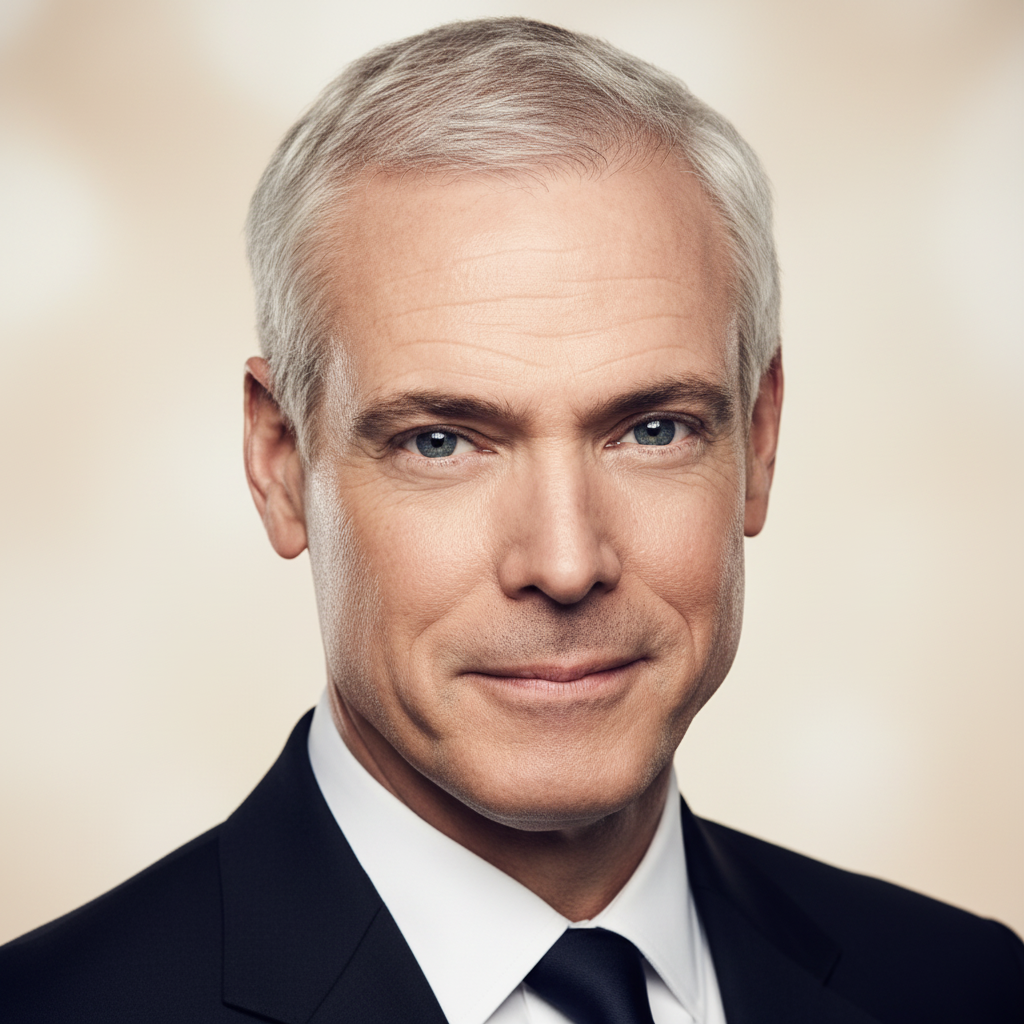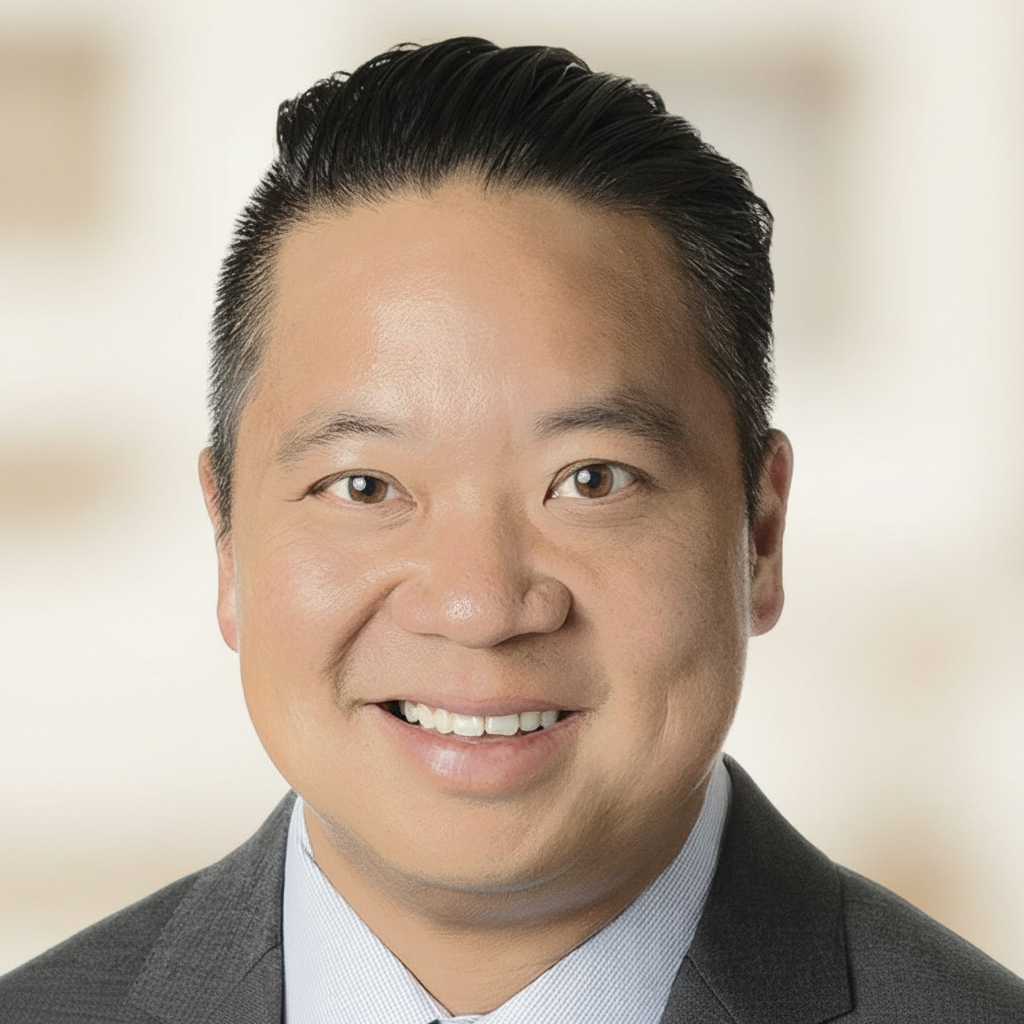
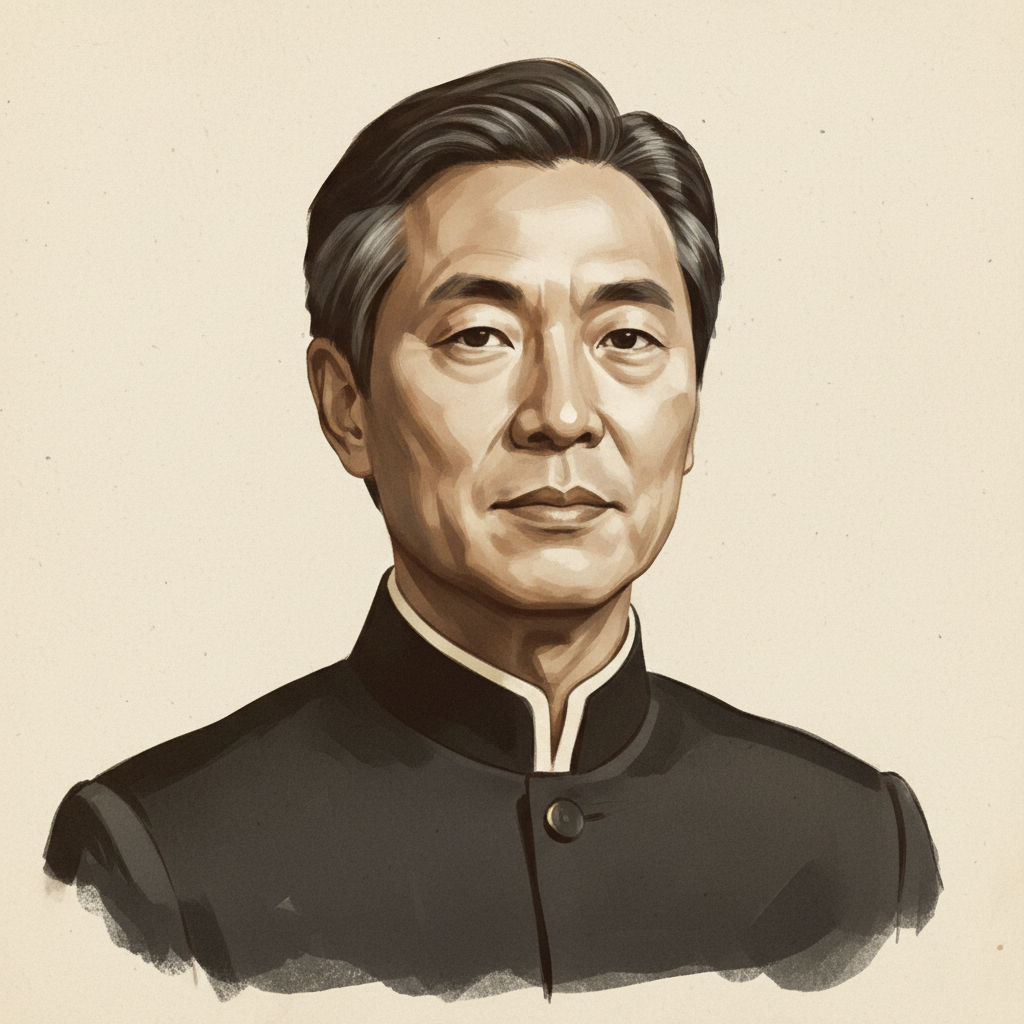
Mark Liu
Architect of Global Semiconductor Leadership and Resilient Supply Chains.
Dr. Mark Liu is the Chairman of TSMC, the world's largest independent semiconductor foundry. He ascended to this role in 2018, succeeding founder Morris Chang. Liu has been instrumental in solidifying TSMC's technological lead, expanding its global manufacturing footprint, and navigating complex geopolitical challenges in the semiconductor industry.
Biography
Accomplishments
- 01Oversaw the transition and continued dominance of TSMC in advanced process technologies, including the industrialization of 3nm and the development of 2nm nodes, maintaining a multi-year lead over competitors.
- 02Initiated and accelerated TSMC's global expansion strategy with multi-billion dollar investments in new fabrication plants (fabs) in Arizona (USA) and Kumamoto (Japan), diversifying manufacturing geographical risk and strengthening supply chain resilience.
- 03Successfully navigated unprecedented global semiconductor shortages and escalating geopolitical tensions, particularly between the US and China, maintaining TSMC's pivotal role as a trusted foundry for global technology leaders.
- 04Maintained TSMC's robust financial performance and investor confidence, with consistent revenue growth and high profitability, solidifying its position as one of the world's most valuable technology companies.
- 05Championed sustainable manufacturing practices and environmental initiatives within TSMC, aligning corporate strategy with global ESG (Environmental, Social, and Governance) standards.
Lessons for Operators
Key Takeaways
Practical lessons distilled for operators, investors, C-levels, and capital allocators.
Geopolitical Strategy as Core Business Imperative
In an interconnected world, geopolitical analysis and proactive engagement are no longer peripheral but central to corporate strategy, especially for critical industries. TSMC's expansion embodies this.
Relentless R&D for Enduring Leadership
Market dominance is not static; it requires continuous, significant reinvestment in innovation. TSMC's multi-generational technology lead is a direct result of this philosophy, demanding long-term capital allocation and scientific foresight.
Supply Chain Resilience Through Distributed Manufacturing
Over-reliance on centralized manufacturing carries inherent risks. Diversifying manufacturing footprints, even at higher initial costs, builds resilience against black swan events and geopolitical pressures, ensuring operational continuity.
Leadership in Critical Global Infrastructure
Some industries transcend traditional business to become national and global strategic assets. Leaders in these sectors must adopt a broader perspective that includes security, national interest, and diplomatic engagement.
Succession Planning and Shared Leadership
The transition from Morris Chang to a dual-CEO structure (Liu and Wei) before Liu's chairmanship demonstrates a deliberate cultivation of future leadership, ensuring stability and continuity at the highest levels of a complex organization.
Frameworks & Principles
Named frameworks and strategic principles they popularized or embodied.
Distributed Resilience Model
A strategic model for global manufacturing and supply chains, advocating for a geographical dispersion of critical production assets to mitigate localized risks (natural disasters, geopolitical tensions, trade restrictions). This ensures redundancy and responsiveness.
When to useApplicable for industries with high sunk costs, long lead times, and products critical for national security or global economies. Use when evaluating capital expenditure for new facilities or redesigning global supply networks.
Technological Horizon Scanning & Investment Prioritization
A framework for anticipating future technological shifts and allocating R&D resources to maintain a competitive edge. It involves deep scientific research, market trend analysis, and a long-term investment horizon (5-10+ years) in foundational technologies.
When to useEssential for technology-intensive sectors, especially those with rapid innovation cycles. Use when formulating long-term R&D strategies, capital allocation for next-generation products, or evaluating competitor technological roadmaps.
Government & Industry Collaboration Nexus
A paradigm emphasizing the critical role of synergistic partnerships between private industry, government bodies, and academic institutions to achieve strategic objectives (e.g., national economic resilience, technological leadership). Involves policy advocacy, joint funding, and shared vision.
When to useApplicable for industries that are highly regulated, strategically important, or require significant infrastructure investment. Use when engaging with policymakers, seeking public funding for large-scale projects, or navigating international trade complexities.
Explore Related Titans
Other figures in the archive who share Mark Liu's domain, geography, or era.
More in Technology



From Taiwan

Contemporaries — born 1950s