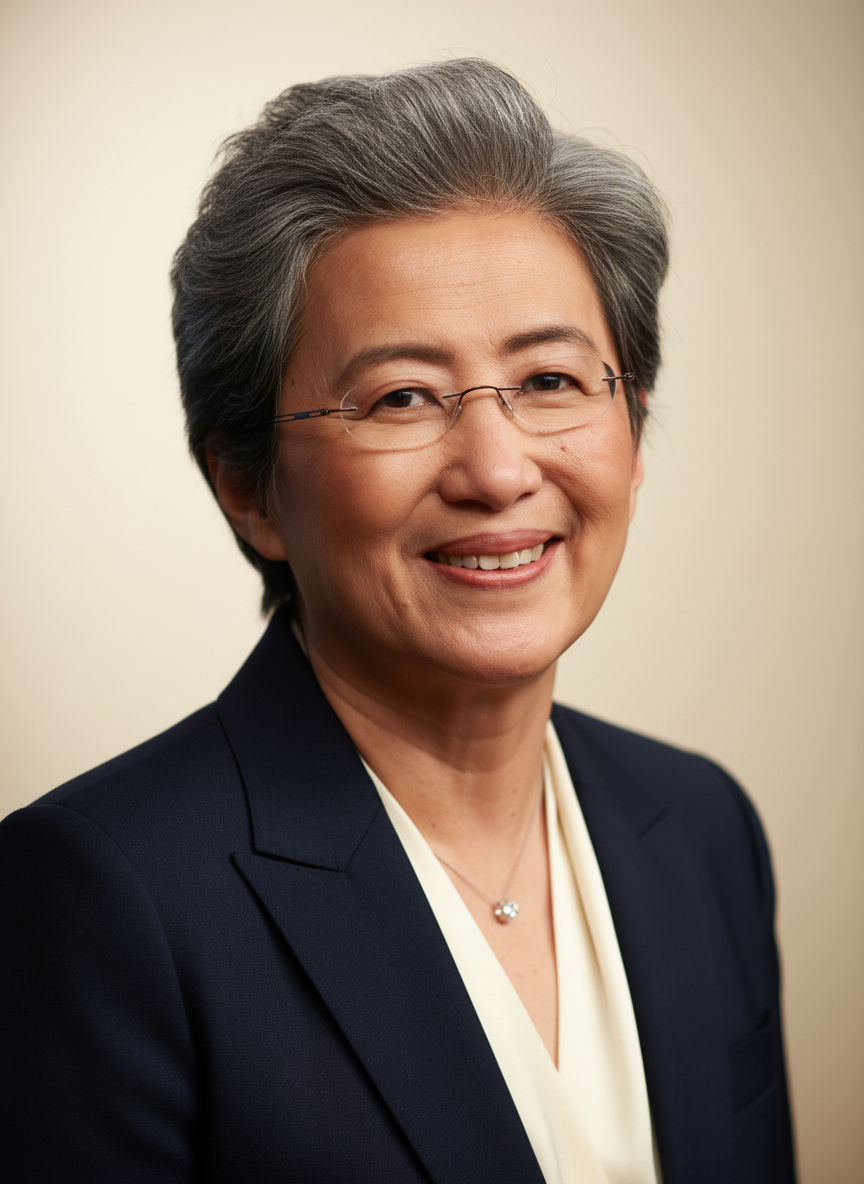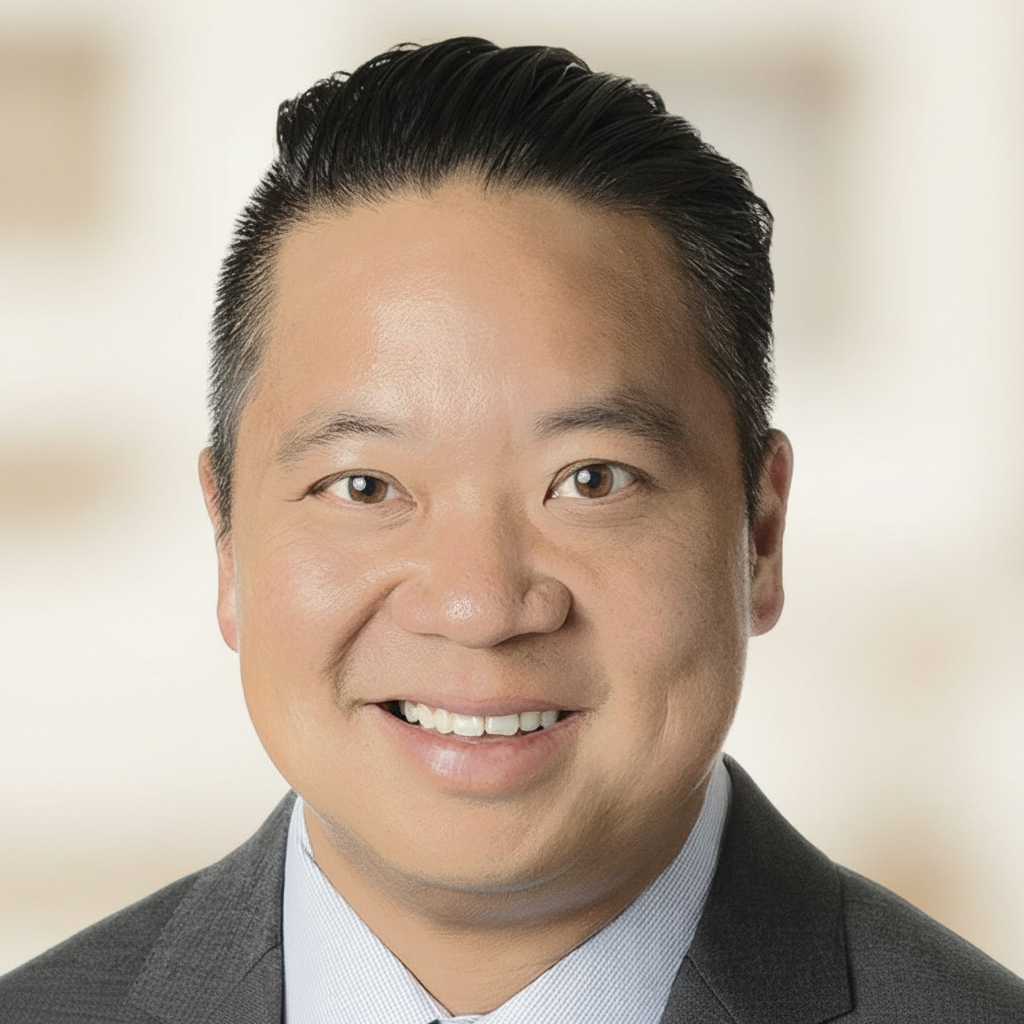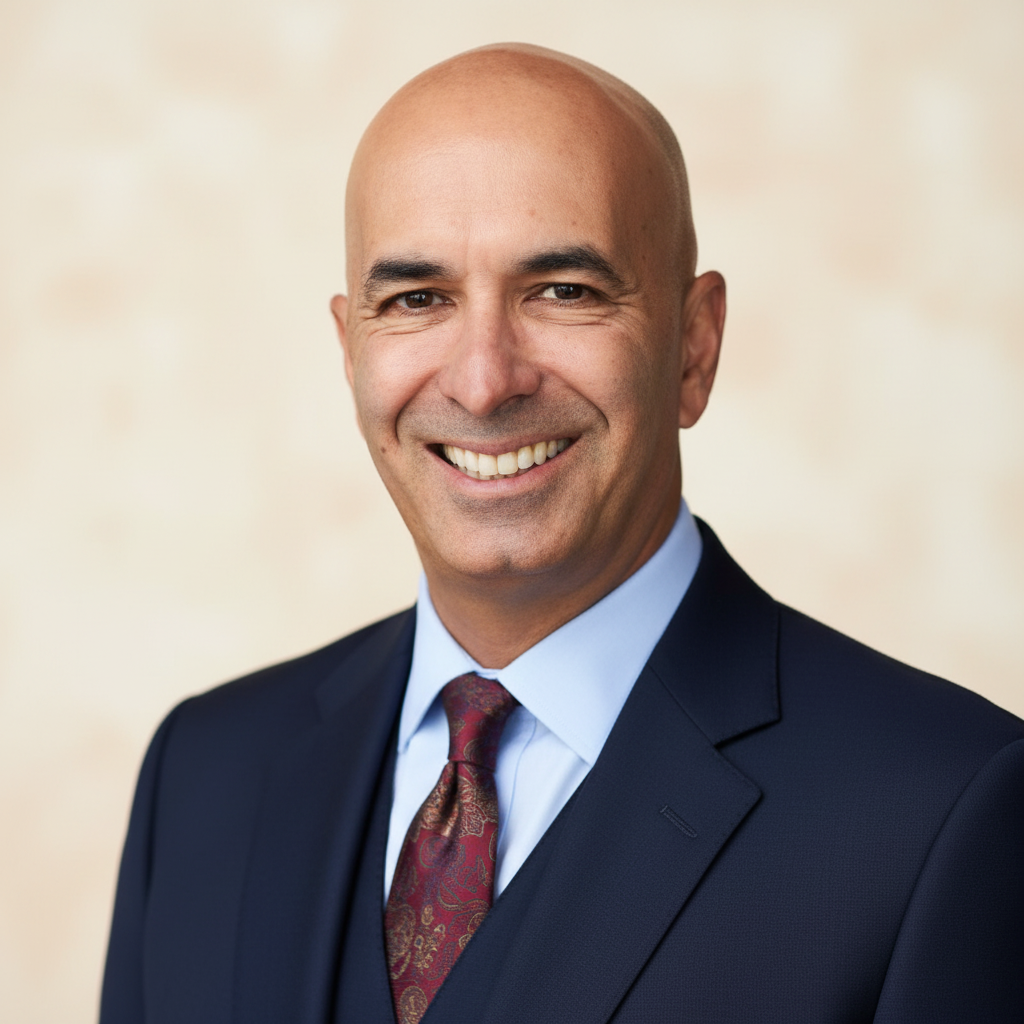
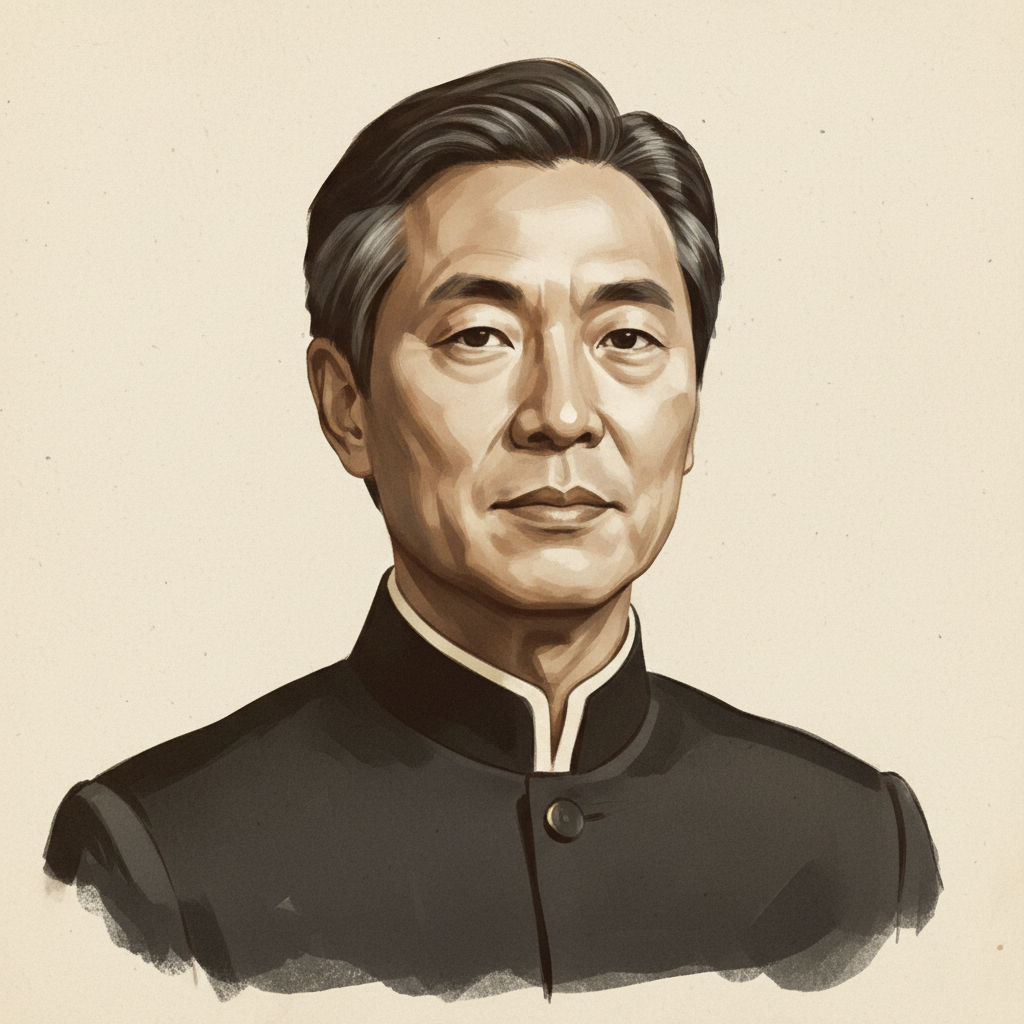
C.K. Tseng
A pivotal figure in the global semiconductor industry, driving manufacturing scale and cross-border collaboration.
C.K. Tseng is a distinguished leader in the semiconductor industry, recognized for his executive roles in major foundry operations. His career spans decades of strategic leadership, financial stewardship, and operational excellence at companies like Taiwan Semiconductor Manufacturing Company (TSMC) and GlobalFoundries. Tseng's contributions have significantly shaped the modern fabless-foundry ecosystem.
Biography
Accomplishments
- 01Played a key role in TSMC's global expansion and financial success as CFO, including its NYSE listing in 1997, enabling significant capital raises for technological advancement.
- 02Instrumental in the formation and operational ramp-up of GlobalFoundries, integrating assets from AMD and Chartered Semiconductor into a cohesive global foundry business (2009-2011).
- 03Successfully led the establishment of critical manufacturing capabilities at GlobalFoundries, overseeing significant capital expenditures and technology transfers to achieve competitive process nodes.
- 04Navigated complex cross-border mergers and acquisitions within the semiconductor foundry space, showcasing expertise in post-merger integration and cultural synergy.
- 05Contributed to shaping the fabless-foundry business model's maturity, providing leadership in an era of increasing specialization in semiconductor production.
- 06Orchestrated financial strategies that supported multi-billion dollar capital investments required for leading-edge semiconductor fabrication facilities (e.g., Fab 8 in Malta, New York, at GlobalFoundries).
Lessons for Operators
Key Takeaways
Practical lessons distilled for operators, investors, C-levels, and capital allocators.
Capital Allocation for Megaprojects
Lesson: Precisely allocate massive capital to R&D and fabrication facilities. Action: Fund managers and C-levels should evaluate capital expenditure plans not just on ROI but on strategic market positioning and long-term technological relevance.
Post-Merger Integration Mastery
Lesson: Successfully blending diverse corporate entities and technologies demands rigorous operational leadership. Action: When considering M&A, prioritize leaders with deep sector-specific operational experience to lead integration efforts, not just financial advisors.
Strategic Patience in Tech
Lesson: Semiconductor investments have long gestation periods before yielding full returns. Action: Investors and boards must adopt a patient capital approach, understanding that true value in deep tech is built over years, not quarters.
Global Manufacturing Diversification
Lesson: Distributed manufacturing bases reduce geopolitical and natural disaster risks. Action: Enterprise leaders should assess supply chain vulnerabilities and actively seek geographic diversification for critical production assets whenever feasible.
Talent as a Strategic Asset
Lesson: The ability to attract and retain specialized engineering talent directly correlates with competitive advantage. Action: Implement aggressive talent acquisition strategies and foster cultures that promote continuous learning and innovation to secure human capital in niche industries.
Frameworks & Principles
Named frameworks and strategic principles they popularized or embodied.
Foundry Business Scaling Model
A framework for rapidly scaling semiconductor manufacturing capacity while maintaining cost efficiency and technological leadership. Involves aggressive capital deployment, process optimization, and strategic customer acquisition.
When to useApplicable for entities looking to build or expand large-scale, capital-intensive manufacturing operations, especially in high-tech sectors where time-to-market and capacity are critical differentiators.
Cross-Border Acquisition Integration Blueprint
A structured approach to integrating acquired assets and teams across different countries and corporate cultures. Focuses on harmonizing operational systems, technology roadmaps, and human resources policies while preserving critical IP and talent.
When to useEssential for C-levels and M&A specialists undertaking complex international mergers, particularly in industries with high technological and regulatory complexities.
Semiconductor Capital Expenditure Optimization
A framework to evaluate and execute multi-billion dollar capital investments in fabrication plants and R&D. Emphasizes long-term technology roadmaps, supply chain robustness, and market demand forecasting to ensure optimal returns on capital.
When to useRelevant for fund managers, institutional investors, and C-levels in capital-intensive industries making strategic decisions on large-scale infrastructure and R&D investments.
Explore Related Titans
Other figures in the archive who share C.K. Tseng's domain, geography, or era.
More in Technology



From Taiwan