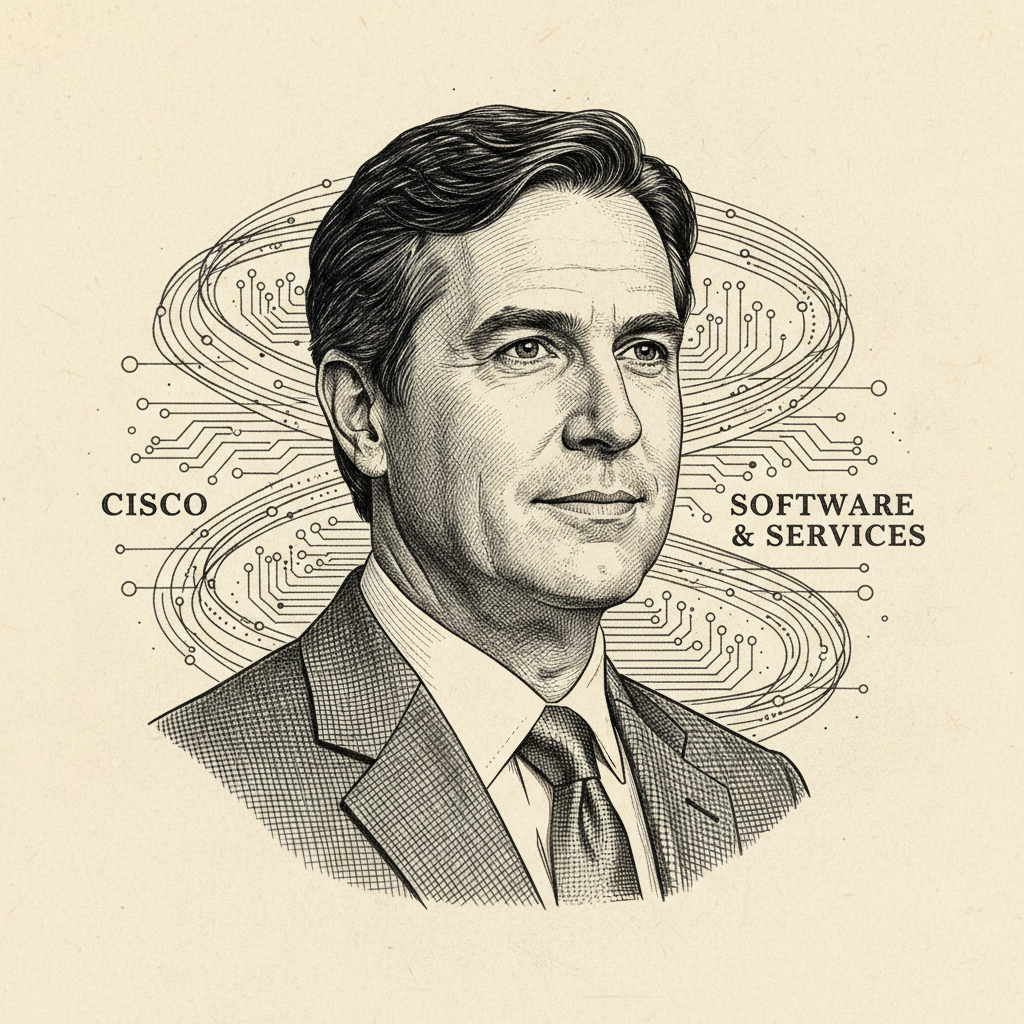
Kevin Tsujihara
Former CEO of Warner Bros. Entertainment, known for navigating a legacy media company through digital transformation and content diversification.
Kevin Tsujihara served as Chairman and CEO of Warner Bros. Entertainment from 2013 to 2019. His tenure focused on expanding content production across film, television, and games, and adapting distribution strategies for the digital era, including direct-to-consumer initiatives. He oversaw major franchise development and significant studio reorganization.
Biography
Accomplishments
- 01Led Warner Bros. Entertainment as Chairman and CEO from 2013 to 2019, overseeing all global operations of the studio.
- 02Spearheaded the integration and expansion of content production, increasing output across film, television, and video games.
- 03Orchestrated the development of major tentpole franchises, including the DC Extended Universe (e.g., 'Batman v Superman: Dawn of Justice', 'Wonder Woman') and the 'Wizarding World' series ('Fantastic Beasts').
- 04Initiated and oversaw the strategic groundwork for WarnerMedia's direct-to-consumer streaming service, HBO Max (launched post-departure).
- 05Consolidated distribution and production assets, including integrating Machinima in 2016 to enhance digital content strategy.
- 06Successfully navigated the studio through a period of significant industry disruption, focusing on content volume and digital adaptation.
Lessons for Operators
Key Takeaways
Practical lessons distilled for operators, investors, C-levels, and capital allocators.
Scaling Content Production in a Streaming Economy
Tsujihara's push to significantly increase content output across all divisions (film, TV, games) demonstrates a strategic response to the 'content arms race' driven by streaming services. Operators should recognize that market share in the digital age often correlates with the volume and quality of proprietary content.
Leveraging Established IP for Global Reach
His focus on the DC Extended Universe and Wizarding World franchises underscores the enduring value of strong intellectual property. Investors should prioritize companies with deep catalogs of globally recognized brands capable of cross-platform exploitation.
Proactive Digital Distribution Strategy
The foundational work for HBO Max, even before its launch, illustrates the critical need for traditional media companies to own their distribution channels in the digital era. Enterprise leaders must invest early in direct-to-consumer capabilities rather than relying solely on third-party aggregators.
Operational Consolidation for Efficiency
Integrating digital networks like Machinima and streamlining operational units highlight the importance of achieving synergistic efficiencies. Capital allocators should evaluate management's ability to optimize existing assets and integrate new acquisitions effectively.
Governance, Ethics, and Leadership Succession
Tsujihara's departure due to personal conduct serves as a sharp reminder that corporate governance and ethical leadership are non-negotiable. Fund managers must consider the full spectrum of ESG factors, including leadership integrity, as it directly impacts long-term organizational stability and investor confidence.
Frameworks & Principles
Named frameworks and strategic principles they popularized or embodied.
Content IP Lifecycle Management
A framework for maximizing the value of intellectual property across its entire lifecycle, from initial creation through various forms of distribution (film, TV, games, merchandise) and sequential monetization windows. It emphasizes continuous investment and reinvention.
When to useApplicable for media and entertainment companies seeking to extract maximum value from their owned content libraries and develop sustainable, long-term franchises.
Direct-to-Consumer (D2C) Transformation Model
A strategic model for legacy businesses to transition from wholesale/indirect distribution to direct engagement with end-users. It involves building proprietary digital platforms, developing robust content/product pipelines, and evolving marketing & customer relationship management processes.
When to useEssential for any enterprise in traditional industries (media, retail, manufacturing) facing disruption from digital platforms and seeking greater control over customer relationships and data.
Sources & Further Reading
Profiles, interviews, podcasts, and articles used to compile and verify this entry. Each link opens at the original publisher.
Explore Related Titans
Other figures in the archive who share Kevin Tsujihara's domain, geography, or era.
More in Technology






From United States



Contemporaries — born 1960s