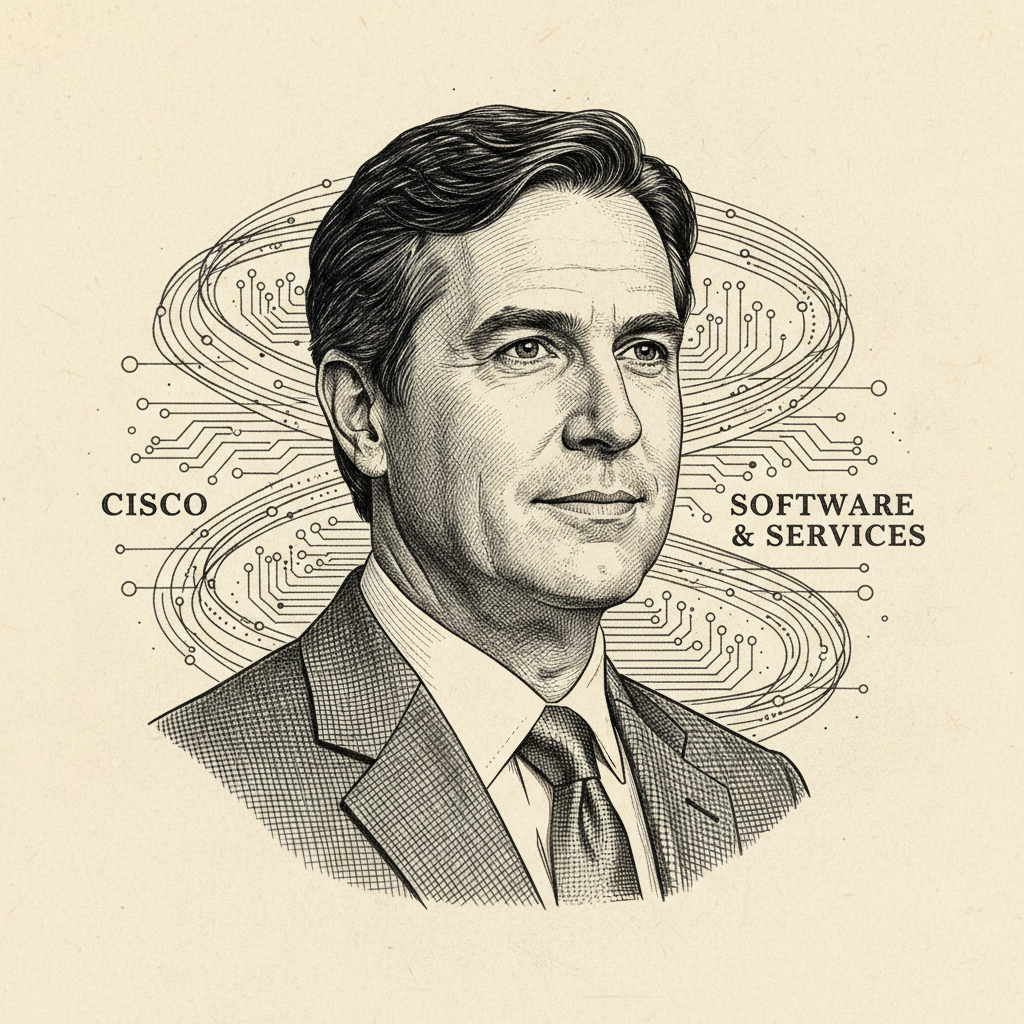
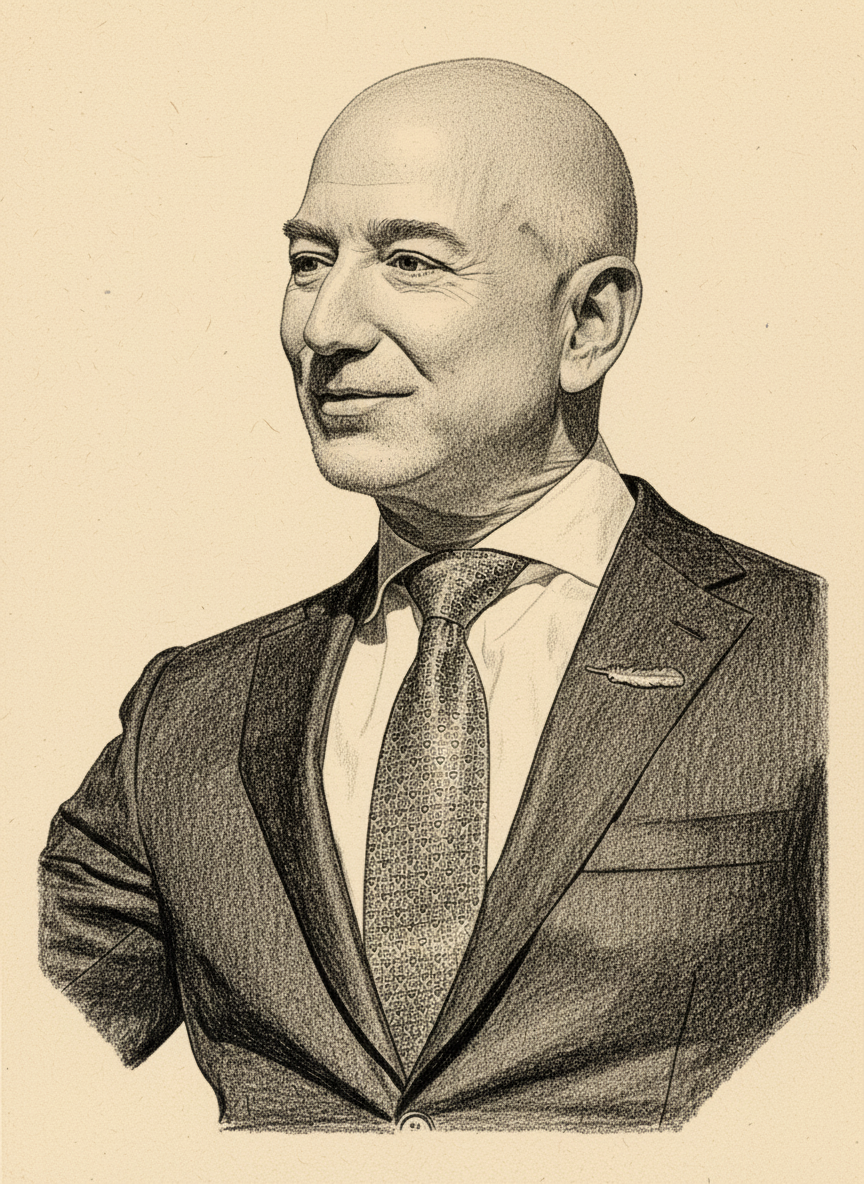
Jeffrey Bezos
Founder of Amazon, pioneering online retail, cloud computing, and space exploration.
Jeffrey Bezos founded Amazon in 1994, initially an online bookstore, and grew it into a global e-commerce and cloud computing behemoth. His long-term vision, customer obsession, and willingness to invest heavily in new ventures redefined multiple industries.
Biography
Accomplishments
- 01Founded Amazon.com in 1994, expanding from an online bookstore to a diversified e-commerce and technology company with a market capitalization exceeding $1 trillion.
- 02Launched Amazon Web Services (AWS) in 2006, creating the global leader in cloud computing infrastructure, generating tens of billions in annual revenue.
- 03Introduced the Amazon Kindle in 2007, popularizing e-reading and significantly impacting the publishing industry.
- 04Developed Amazon Prime in 2005, a subscription service that redefined customer loyalty through expedited shipping and digital media, fostering a massive ecosystem.
- 05Acquired Whole Foods Market in 2017 for $13.7 billion, signifying a major strategic move into physical retail and grocery.
- 06Founded Blue Origin in 2000 with the goal of making space travel more accessible, successfully developing reusable rocket technology.
Lessons for Operators
Key Takeaways
Practical lessons distilled for operators, investors, C-levels, and capital allocators.
Day 1 Philosophy
Maintain a startup mentality by staying nimble, customer-obsessed, and focused on future growth. Avoid complacency and the pitfalls of 'Day 2' which means stasis, followed by irrelevance, followed by excruciating decline, followed by death. This requires constant invention, customer focus, and high-velocity decision-making.
Two-Pizza Teams
Organize teams small enough to be fed by two pizzas (approximately 6-10 people). This minimizes communication overhead, accelerates decision-making, and promotes accountability within modular units. Implement this for agile development and rapid iteration.
Regret Minimization Framework
When faced with difficult decisions, project yourself into old age and ask what you would regret more – trying and failing or not trying at all. This framework helped Bezos leave his lucrative Wall Street job to start Amazon, particularly useful for high-stakes career or investment choices.
Flywheel Effect
Identify and optimize the virtuous cycle within your business. For Amazon, lower prices led to more customers, which attracted more sellers, leading to greater selection, improving the customer experience and allowing for more scale efficiencies and lower prices. This creates sustained competitive advantage. Focus on reinforcing loops.
Customer Obsession vs. Competitor Obsession
Spend disproportionately more time and resources understanding and innovating for the customer than reacting to competitors. Bezos argues that competitor focus only yields reactions, while customer focus produces invention. Build products customers want, not just products better than the competition.
Invest in Infrastructure as a Service
AWS's success demonstrates the power of externalizing internal infrastructure. If your organization has built robust, scalable internal tools, consider if packaging and offering them as a service could unlock massive new revenue streams and entire industries.
Frameworks & Principles
Named frameworks and strategic principles they popularized or embodied.
Day 1 Philosophy
A mindset emphasizing continuous invention, customer obsession, and high-velocity decision-making to avoid organizational complacency and decline. It promotes acting with urgency and maintaining a startup's flexibility.
When to useApplicable for leaders setting organizational culture, particularly in fast-evolving industries, or for companies seeking to remain innovative and agile as they scale. Use when confronting stagnation or fear of change.
Two-Pizza Teams
An organizational design principle advocating for small, autonomous teams (around 6-10 members) with clear objectives. This minimizes communication overhead, increases agility, and fosters ownership.
When to useIdeal for structuring product development, engineering, or project teams that require rapid iteration, clear accountability, and efficient communication. Useful when scaling teams without losing cohesion.
Regret Minimization Framework
A decision-making tool where one imagines reflecting on their life at 80 years old and considers which path they would regret less: taking a risk and potentially failing, or playing it safe and missing an opportunity.
When to useEmploy this framework for high-stakes personal or professional decisions involving significant risk and potential reward, such as career changes, major investments, or launching a new venture.
Customer Obsession
A core business philosophy where all strategies, products, and services are designed and evolved based on understanding and anticipating customer needs. It prioritizes long-term customer value over short-term gains.
When to useFundamental for any business seeking sustainable growth and competitive advantage. Implement when developing new products, refining existing services, or formulating overall business strategy to ensure market relevance and loyalty.
Sources & Further Reading
Profiles, interviews, podcasts, and articles used to compile and verify this entry. Each link opens at the original publisher.
Explore Related Titans
Other figures in the archive who share Jeffrey Bezos's domain, geography, or era.
More in Technology






From United States


Contemporaries — born 1960s