
Jeff Rhodes
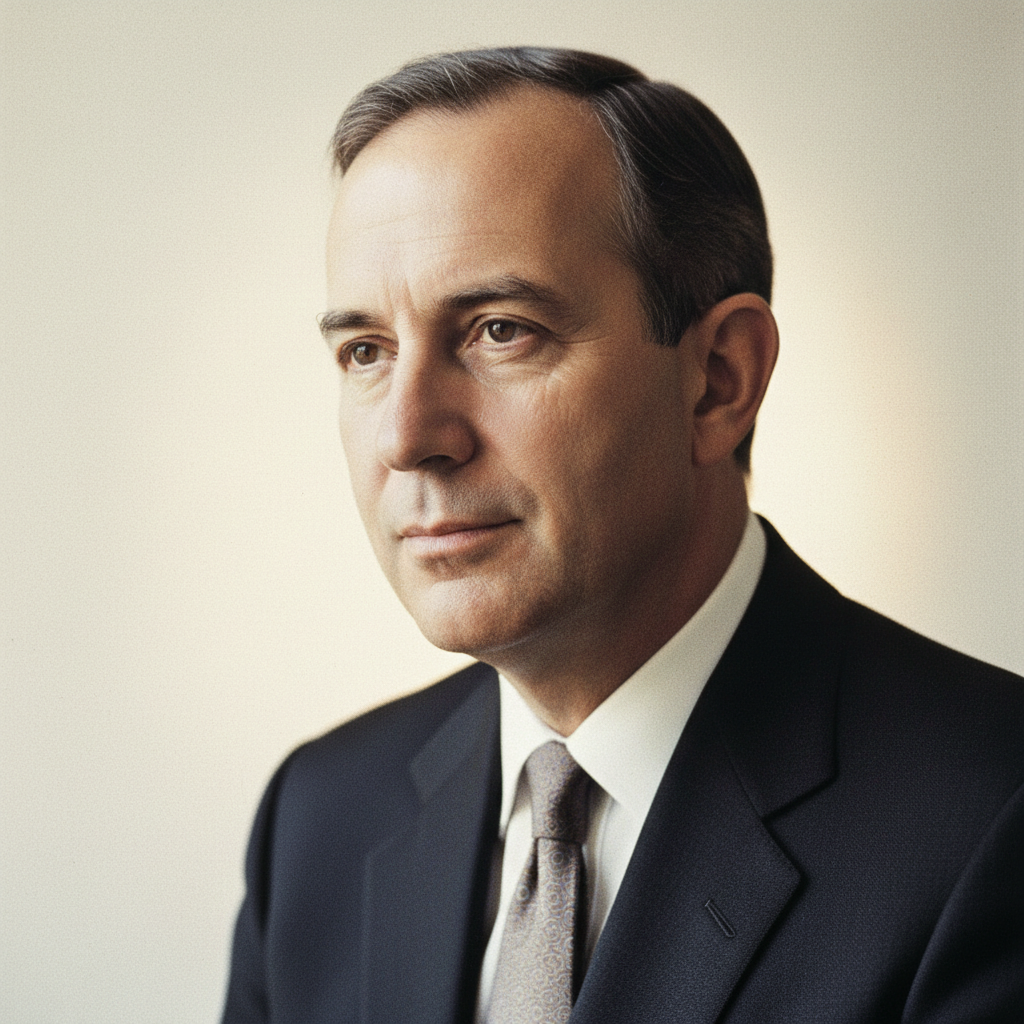
Jeff Rhodes is a Partner and Co-Managing Partner of TPG Capital, TPG's flagship private equity platform, known for his leadership in industrials, business services, and healthcare investments.
Jeff Rhodes is a prominent figure at TPG, serving as a Partner and Co-Managing Partner of TPG Capital. He is a member of the firm's Investment Committee and Management Committee, directing investment strategies across various sectors including industrials, business services, and healthcare. His career at TPG began in 2005, following his tenure at Bain Capital and as a consultant at Bain & Company.
Biography
Accomplishments
- 01Led TPG's investment in Transplace (2017), a leading transportation management solution provider, ultimately sold to Uber Freight for $2.25 billion in 2021, generating significant returns.
- 02Spearheaded the acquisition of Life Time Fitness (2015) in a $4 billion go-private transaction, collaborating with Leonard Green & Partners to revitalize the premium health club chain.
- 03Directed TPG's investment in Sabre Corporation (2007), a global travel technology provider, taking the company private before its successful IPO in 2014.
- 04Orchestrated the investment in Immucor, Inc. (2011), a global diagnostics company, and oversaw its subsequent sale to Werfen in 2017.
- 05Instrumental in TPG's investment in Kindred Healthcare (2018), a leading post-acute care provider, in a take-private deal valued at approximately $4.1 billion.
- 06Serves on the Board of Directors for numerous TPG portfolio companies, including Novolex, Kindred Healthcare, Life Time Fitness, and Immucor, providing strategic oversight post-acquisition.
Lessons for Operators
Key Takeaways
Practical lessons distilled for operators, investors, C-levels, and capital allocators.
Deep Sector Specialization
Rhodes' investment track record underscores the advantage of deep domain expertise. By focusing on specific sectors, TPG can identify nuanced opportunities, build strong industry networks, and apply tailored value creation playbooks. Operators should seek investors who genuinely understand their industry beyond financial metrics.
Post-Acquisition Value Creation
Successful private equity goes beyond buying low and selling high. Rhodes' involvement implies a hands-on approach to operational improvement, strategic repositioning, and growth initiatives within portfolio companies. C-levels should prepare to articulate clear post-acquisition growth strategies and how an investor can aid in execution.
Complexity as Opportunity
TPG, under Rhodes' leadership, has frequently engaged in complex transactions such as public-to-private buyouts. These deals, often beyond the scope of smaller funds, offer unique value creation opportunities due to information asymmetry or required strategic restructuring. Enterprise leaders should consider the full spectrum of private capital resources for transformational initiatives.
Strategic Exit Management
The sale of Transplace to Uber Freight demonstrates the importance of timing and identifying strategic buyers who can pay a premium for synergies. Fund managers and capital allocators should evaluate a firm's exit strategy capabilities and track record in maximizing returns through strategic sales or well-timed IPOs.
Partnership Ecosystem
The co-investment strategy employed for Life Time Fitness illustrates the benefit of leveraging complementary partnerships. This allows for greater capital deployment, shared risk, and diversified expertise. Operators considering a private equity transaction should assess the fund's broader network and potential co-investment partners.
Frameworks & Principles
Named frameworks and strategic principles they popularized or embodied.
Sector Thematic Sourcing
A methodology for identifying investment opportunities by deeply understanding specific industry trends, competitive landscapes, and disruptive forces within target sectors (e.g., industrial digitalization, healthcare cost optimization).
When to useApplicable for fund managers seeking proprietary deal flow and for C-levels looking to align with investors who possess relevant industry insights and strategic direction for their business amid sector evolution.
Operational Value Creation Playbook
A structured approach to enhancing portfolio company performance post-acquisition through initiatives such as supply chain optimization, digital transformation, international expansion, and margin improvement programs.
When to useEssential for operators and enterprise leaders seeking private equity partners who offer more than just capital, providing tangible resources and expertise to drive growth and efficiency. Fund managers use this to validate and execute investment theses.
Public-to-Private Transaction Execution
A specialized framework for taking publicly traded companies private, involving meticulous due diligence, stakeholder engagement (public shareholders, regulators), complex financing structures, and a credible plan for long-term private ownership value creation.
When to useRelevant for C-levels and boards of public companies considering strategic alternatives, and for private equity funds targeting undervalued public assets where privacy and focused management can unlock significant value.
Explore Related Titans
Other figures in the archive who share Jeff Rhodes's domain, geography, or era.
More in Finance & Investing









From United States