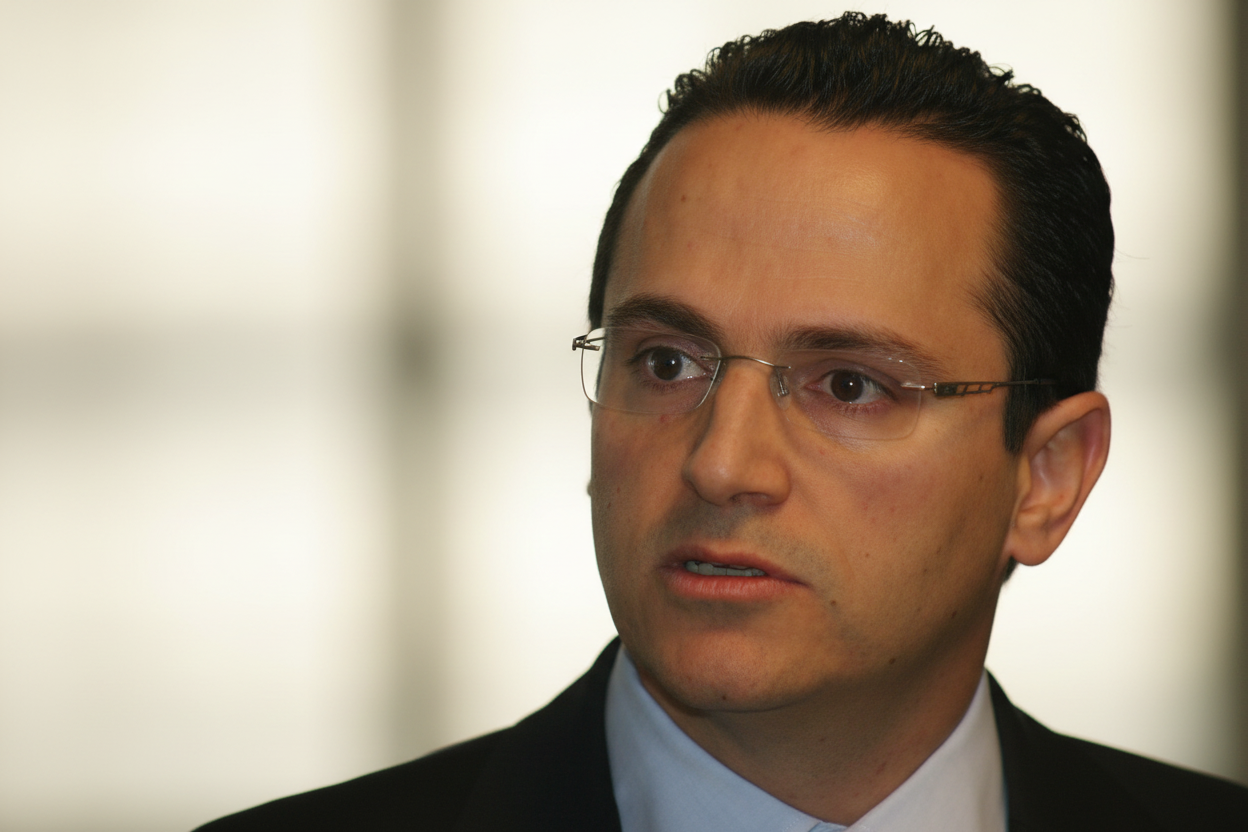
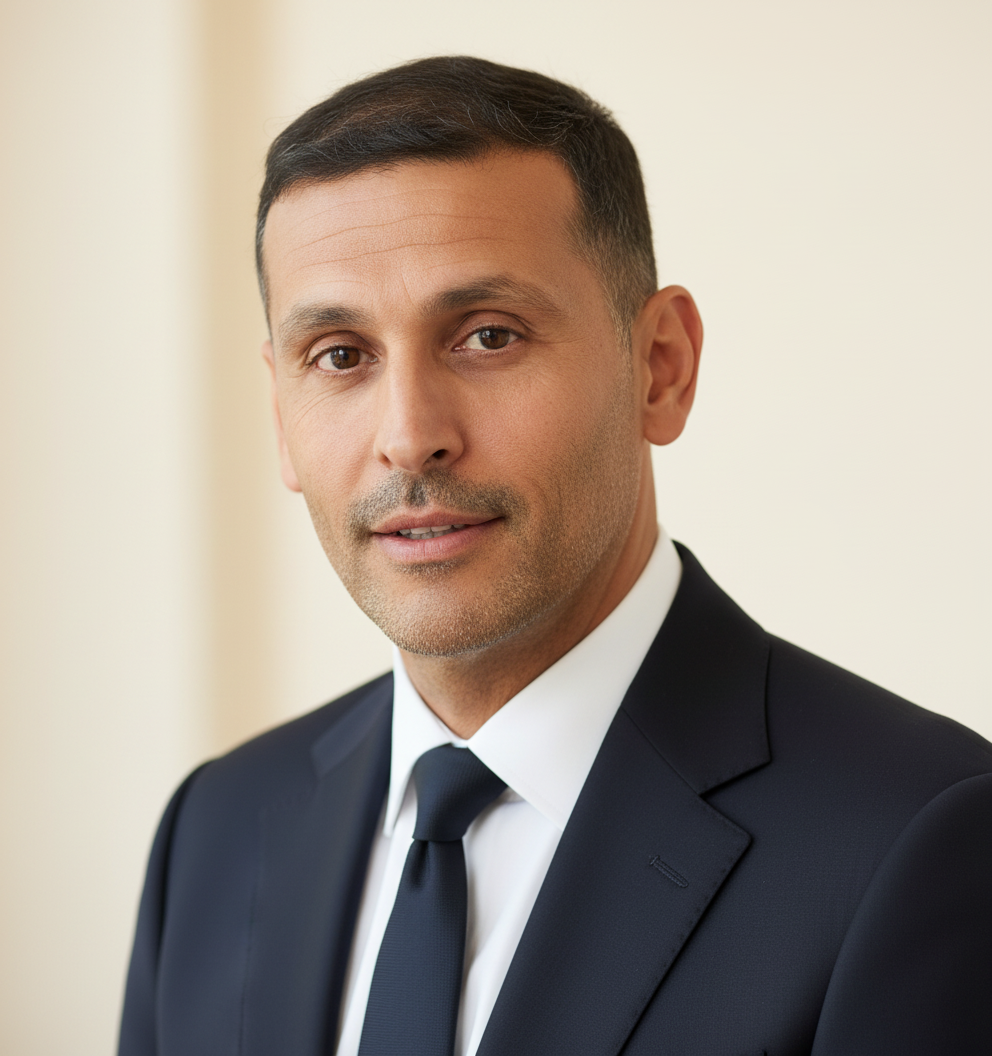
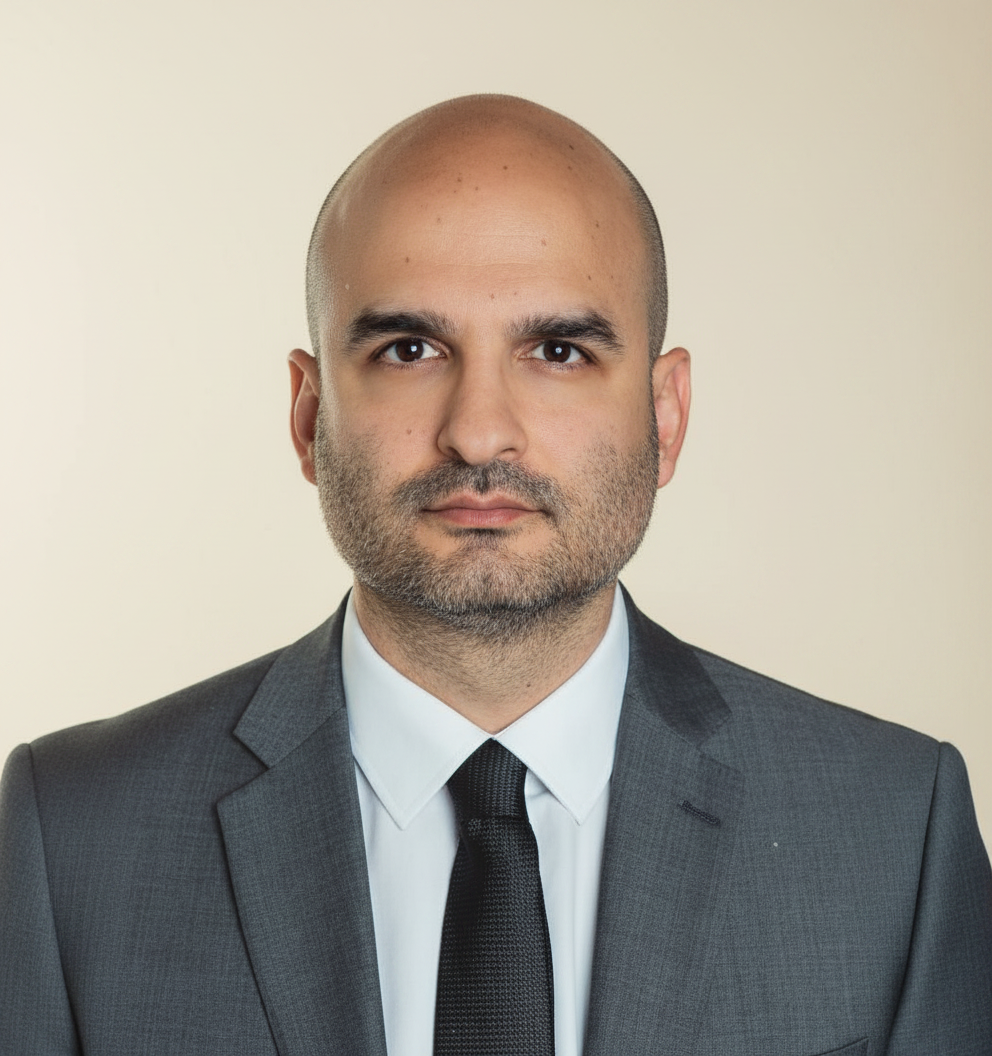
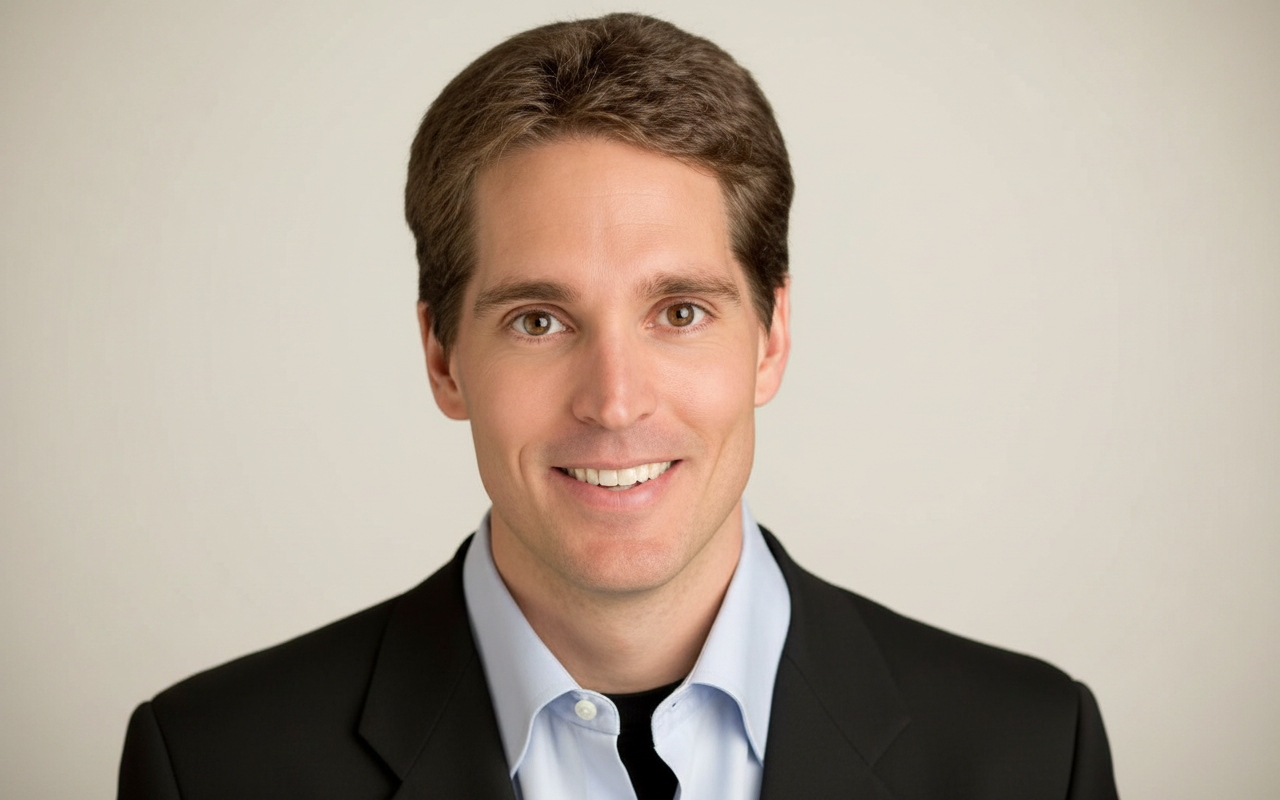
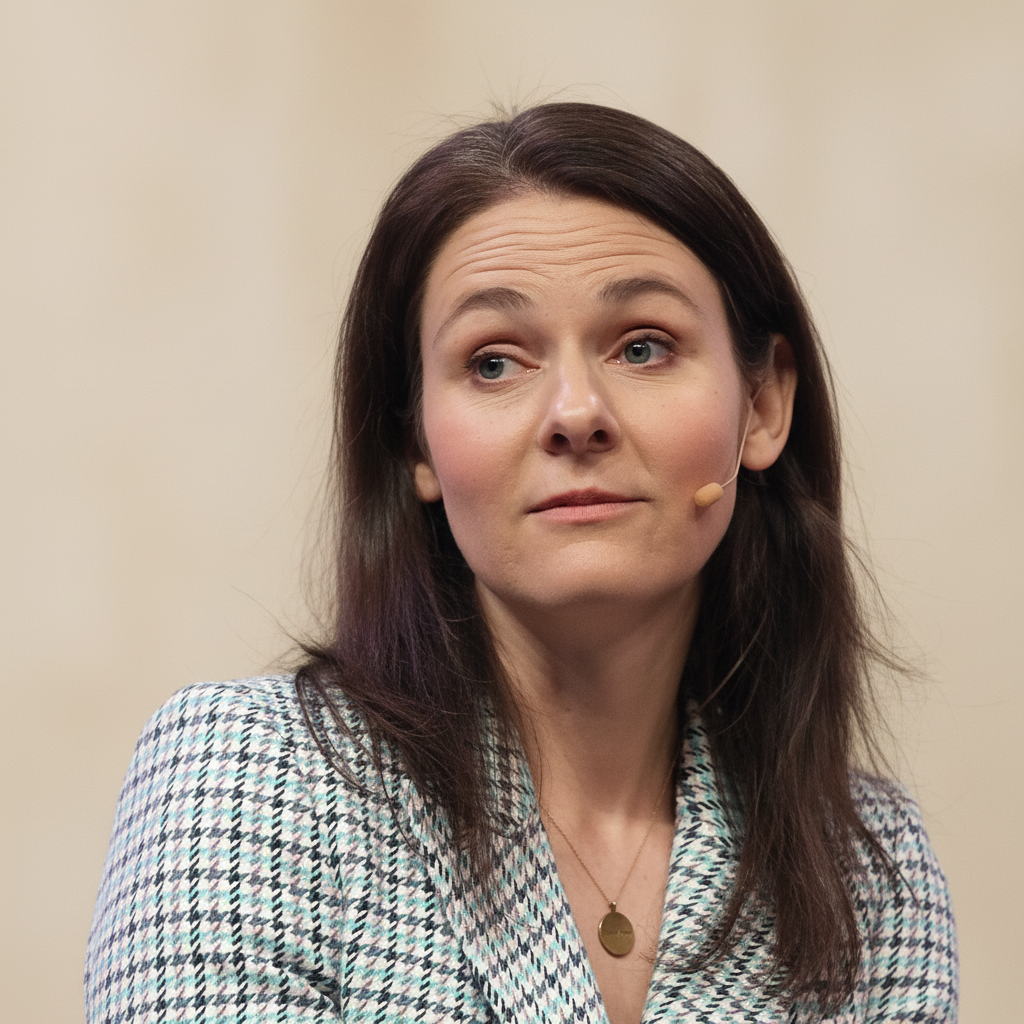
Izzy Karat
Architect of resilient financial technology infrastructures and strategic digital transformation in global finance.
Izzy Karat is a prominent figure in financial technology, known for her leadership in transforming legacy banking systems into scalable, secure, and data-driven platforms. As a CIO and Partner at top-tier investment firms, Karat has orchestrated major technological overhauls, driving efficiency, regulatory compliance, and competitive advantage through strategic IT investments and innovative solution deployment.
Biography
Accomplishments
- 01Led Global Financial Group's cloud-hybrid migration (2008), enhancing system resilience during market volatility.
- 02Orchestrated a five-year, $100 million digital transformation at Apex Investments (2012-2017), reducing operational costs by 18% and accelerating product development by 30%.
- 03Implemented a zero-trust cybersecurity architecture and AI-driven threat detection systems across Fortress Capital Partners' global operations by 2021.
- 04Developed proprietary data analytics platforms at Fortress Capital Partners, increasing deal sourcing efficiency by 15%.
- 05Successfully integrated over a dozen M&A targets' IT systems into Fortress Capital Partners' infrastructure with minimal disruption and within aggressive timelines.
- 06Established a robust data governance framework at Fortress Capital Partners, ensuring compliance with global regulations (e.g., GDPR, CCPA) and enhancing data integrity for strategic decision-making.
Lessons for Operators
Key Takeaways
Practical lessons distilled for operators, investors, C-levels, and capital allocators.
IT as a Strategic Lever
Karat consistently positioned IT not as a support function but as a primary driver of business strategy, growth, and competitive differentiation, especially within finance. This involved aligning technology roadmaps directly with corporate objectives like market expansion or operational efficiency.
The Value of Resilient Infrastructure
Her actions during the 2008 financial crisis underscore the critical importance of a resilient, scalable IT infrastructure. Businesses must proactively invest in fault-tolerant systems and robust disaster recovery capabilities to weather unforeseen disruptions.
Measured Digital Transformation
Karat's multi-year initiatives were characterized by clear objectives, phased execution, and continuous measurement of ROI. This systematic approach minimized disruption while maximizing the benefits of comprehensive technological upgrades.
Integrated Security by Design
The adoption of zero-trust architecture at Fortress Capital Partners illustrates a 'security-by-design' philosophy, where protection is embedded into every layer of the enterprise rather than applied as an afterthought. This is crucial for safeguarding high-value data and intellectual property.
Data-Driven Operational Excellence
By empowering investment teams with advanced analytics, Karat demonstrated how data can be transformed from raw information into actionable intelligence, driving efficiency in core business processes like deal sourcing and portfolio management.
Leadership in Innovation and Execution
Karat's career showcases a rare blend of visionary leadership in identifying emerging technologies (e.g., cloud, AI, microservices) and meticulous execution in deploying them effectively across complex financial organizations.
Frameworks & Principles
Named frameworks and strategic principles they popularized or embodied.
Zero-Trust Architecture (ZTA)
A security model based on the principle 'never trust, always verify.' It requires strict identity verification for every person and device attempting to access resources on a private network, regardless of whether they are inside or outside the network perimeter.
When to useImplement ZTA when protecting sensitive data (e.g., financial records, proprietary algorithms), enhancing cybersecurity posture against sophisticated threats, or complying with stringent regulatory requirements. It is particularly effective for organizations with a dispersed workforce or hybrid cloud environments.
Microservices Architecture
An architectural approach that structures an application as a collection of loosely coupled, independently deployable services. Each service is self-contained and typically communicates with others via lightweight APIs.
When to useEmploy microservices when building large, complex applications that require high scalability, resilience, and agile development. It's suitable for rapidly evolving business domains where components need to be updated or deployed independently without affecting the entire system, as seen in Karat's Apex Investments transformation.
Cloud-Hybrid Strategy
An IT strategy that combines private cloud infrastructure with public cloud services, allowing data and applications to be shared between them. This approach offers flexibility, scalability, and cost-efficiency while retaining control over sensitive data.
When to useAdopt a cloud-hybrid strategy when balancing the need for public cloud elasticity with the security and compliance requirements of on-premise infrastructure. It's ideal for financial institutions handling regulated data, allowing them to scale non-sensitive workloads to the public cloud while keeping critical systems in a private environment.
Data Governance Framework
A system of policies, procedures, roles, and responsibilities for ensuring the effective and ethical use of information. It defines how data is collected, stored, processed, and secured, ensuring its quality, integrity, and compliance.
When to useEstablish a data governance framework when managing large volumes of diverse data, especially across multiple business units or international jurisdictions. Essential for ensuring regulatory compliance (e.g., GDPR, CCPA), improving data quality for analytics, and mitigating data-related risks.
Recent Appearances
Latest interviews, keynotes, and press from the past half year.
 youtube.com
 youtube.com
 youtube.com
 youtube.com
 youtube.com
 youtube.com
Explore Related Titans
Other figures in the archive who share Izzy Karat's domain, geography, or era.
More in Technology








From United States


Contemporaries — born 1970s