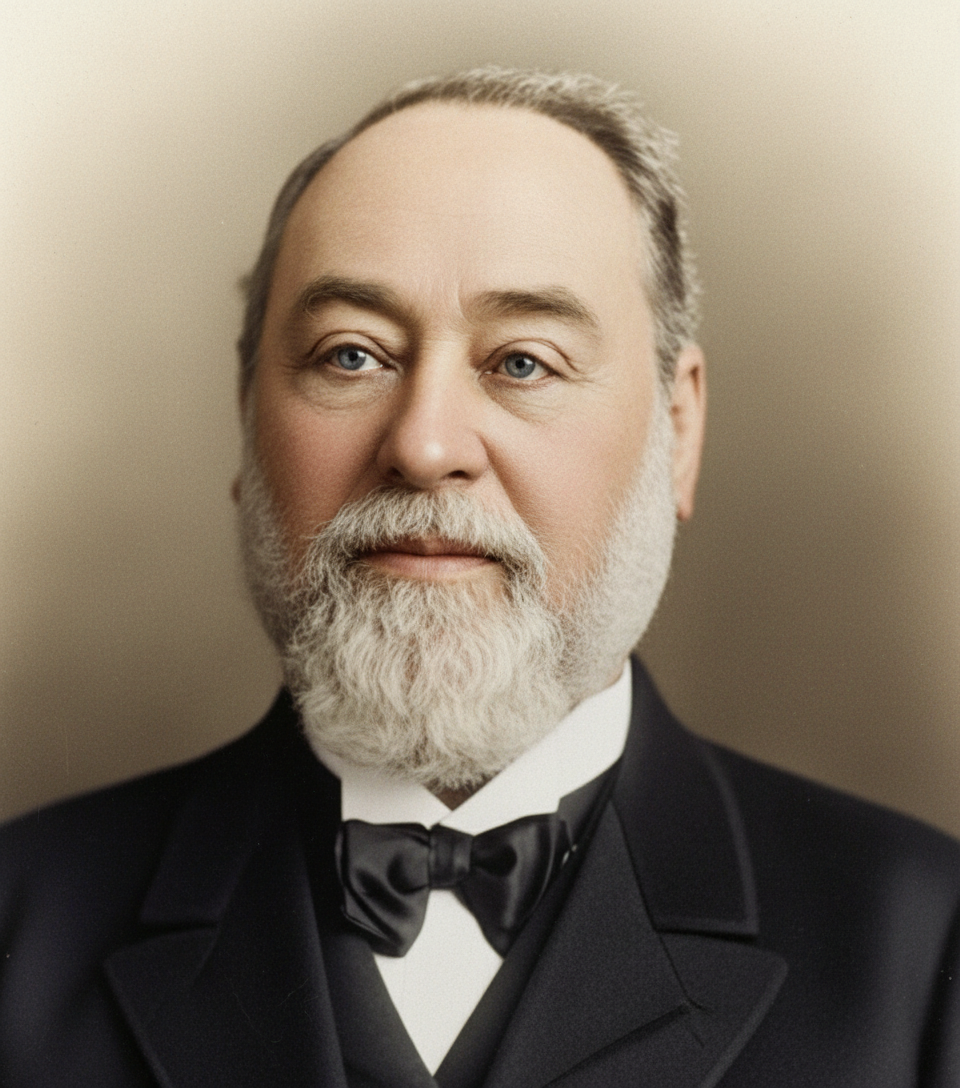
Franz-Werner Haas
A seasoned pharmaceutical executive leading a pioneering mRNA therapeutics company through clinical development and strategic partnerships.
Franz-Werner Haas is the CEO of CureVac N.V., a German biopharmaceutical company focused on mRNA technology. He has held various leadership roles within CureVac, transitioning from Chief Operating Officer (COO) and Chief Commercial Officer (CCO) to CEO in 2020. His career spans significant experience in legal, commercial, and operational aspects of the pharmaceutical industry, particularly in biotech.
Biography
Accomplishments
- 01Ascended to CEO of CureVac in June 2020, guiding the company through its critical COVID-19 vaccine development phase and subsequent shifts in corporate strategy.
- 02Led CureVac's initial public offering (IPO) on Nasdaq in August 2020, raising approximately $245 million, providing substantial capital for continued research and development.
- 03Instrumental in securing the strategic partnership with GlaxoSmithKline (GSK) in July 2020, valued at £104 million (approx. $130 million) initially, for the development of next-generation multivalent mRNA vaccines and monoclonal antibodies.
- 04Oversaw the expansion of CureVac's manufacturing capabilities and supply chain agreements to support potential large-scale production of mRNA therapeutics and vaccines.
- 05Played a key role in attracting early significant investments, such as the €45 million (approx. $50 million) investment from the Bill & Melinda Gates Foundation in 2015, validating CureVac's mRNA platform.
- 06Navigated CureVac through complex clinical trials, particularly the Phase 2b/3 trial for the COVID-19 vaccine candidate CVnCoV, demonstrating resilience in challenging R&D environments.
Lessons for Operators
Key Takeaways
Practical lessons distilled for operators, investors, C-levels, and capital allocators.
Leverage Partnerships for Portfolio Diversification and Risk Mitigation
For biotech companies, forming strategic alliances with larger pharmaceutical firms like the GSK collaboration allows for the co-development of multiple product candidates, spreading R&D risk and leveraging complementary expertise. This is particularly vital in mRNA technology where diverse applications exist outside a single therapeutic area.
Mastering the Capital Markets is Critical for Biotech Growth
Haas's successful execution of CureVac's Nasdaq IPO demonstrates that robust capital market strategies are non-negotiable. Biotech ventures require substantial, continuous funding to progress from discovery to commercialization. Entrepreneurs and leaders must prioritize investor relations and a clear value proposition for public and private financing.
Embrace Agility in R&D and Clinical Strategy
The highly dynamic nature of pharmaceutical R&D, as seen with CureVac's COVID-19 vaccine program, demands organizational and strategic agility. Recognizing when to pivot, re-evaluate, and innovate based on clinical data or market changes is paramount to efficient resource allocation and long-term success. Static development plans are a liability.
Interdisciplinary Leadership Drives Biopharma Success
Haas's background spanning legal, operational, and commercial roles before becoming CEO highlights the advantage of leaders with a broad functional understanding. In biopharma, navigating intellectual property, regulatory affairs, manufacturing, and commercialization requires a holistic perspective that can integrate diverse departmental needs and objectives.
Sustain Investment in Core Platform Technology
CureVac's consistent commitment to its mRNA technology platform, even with particular product outcomes, exemplifies investing in core technological capabilities. Leaders should ensure that the underlying innovative platform is continuously improved and adapted, as it forms the basis for future product pipelines and differentiates the company.
Frameworks & Principles
Named frameworks and strategic principles they popularized or embodied.
Biotech Partnership Model
A strategic approach where smaller, innovative biotech companies collaborate with larger pharmaceutical firms to share R&D costs, leverage manufacturing and distribution networks, and access broader scientific expertise. This often involves licensing agreements, co-development deals, or equity investments.
When to useWhen a biotech company possesses promising early-stage technology but lacks the resources, infrastructure, or market access for full-scale development and commercialization. Useful for de-risking pipelines and accelerating market entry.
Platform Technology Incubation Strategy
Focusing organizational resources on the development and continuous improvement of a foundational technology platform (e.g., mRNA, gene editing) rather than solely on individual product candidates. This strategy aims to generate a pipeline of diverse therapeutics from a core innovation.
When to useApplicable for companies with revolutionary base technologies that have multiple potential applications across various disease areas. Requires long-term investment and a tolerance for individual product setbacks, as platform robustness is the primary goal.
Dual-Track Financing Strategy (Private & Public)
Utilizing both private funding (e.g., venture capital, foundation grants) and public market offerings (e.g., IPOs, follow-on offerings) to meet escalating capital demands throughout the company's lifecycle. This provides flexibility and access to different investor pools.
When to useEssential for high-growth, high-R&D intensity industries like biotechnology, where capital needs can fluctuate significantly from discovery to commercialization. Allows companies to optimize valuation and capital access at different development stages.
Explore Related Titans
Other figures in the archive who share Franz-Werner Haas's domain, geography, or era.
More in Technology










From Germany