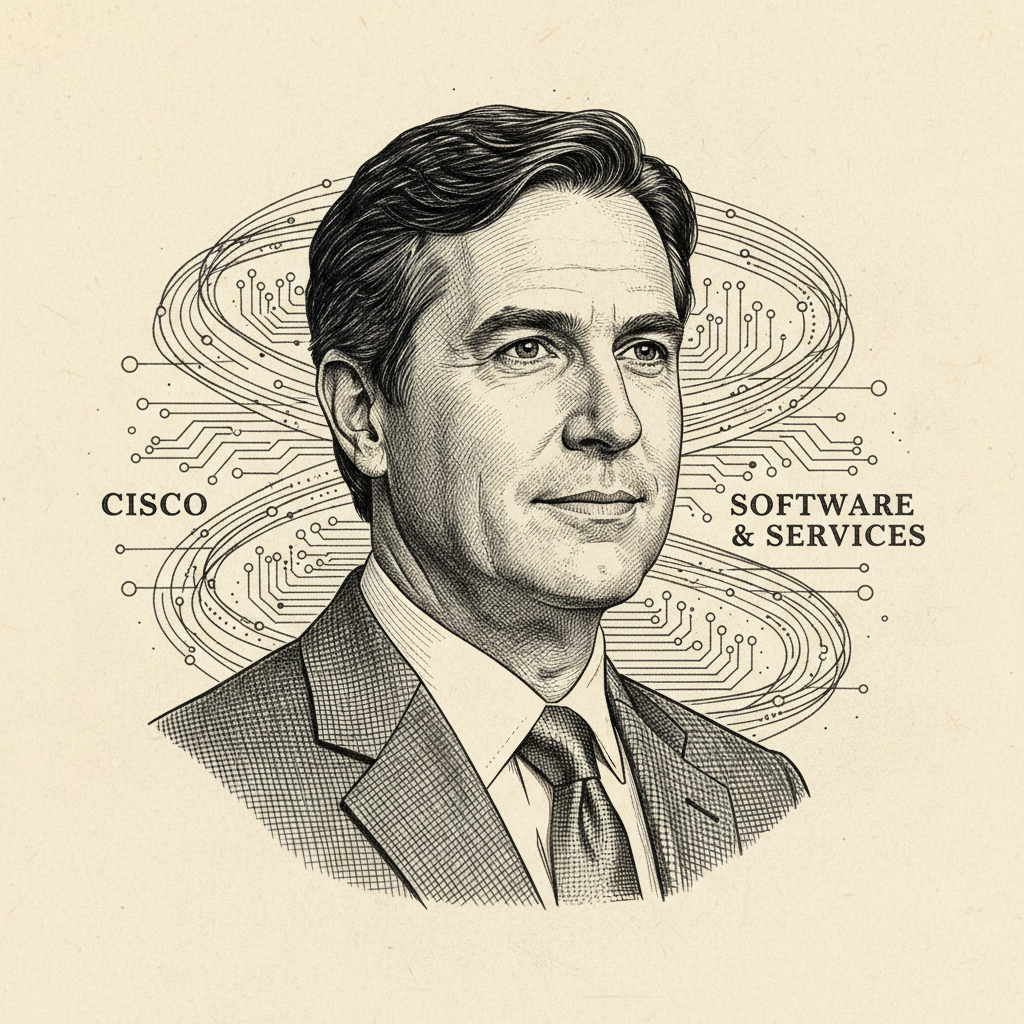
Dev Ittycheria
A transformational leader in enterprise software, acclaimed for scaling businesses from inception to multi-billion dollar valuations through strategic product development, market execution, and M&A.
Dev Ittycheria is a highly respected CEO and entrepreneur in the enterprise software sector, best known for his leadership at MongoDB. He has a proven track record of creating significant shareholder value by driving product innovation, executing aggressive growth strategies, and successfully navigating complex market transitions. His career spans founding startups, leading public companies, and actively investing in emerging technologies.
Biography
Accomplishments
- 01Led MongoDB's IPO in October 2017, transforming it into a public company with a multi-billion dollar market capitalization.
- 02Orchestrated the strategic shift and successful scaling of MongoDB Atlas, the company's cloud-native database service, driving substantial revenue growth.
- 03Guided BladeLogic from a startup through a successful IPO in 2007 and subsequent acquisition by BMC Software for approximately $800 million in 2008.
- 04Co-founded and scaled enterprise integration software provider Applica, Inc., culminating in its acquisition by SSA Global.
- 05Positioned MongoDB as a leader in the NoSQL database market, challenging traditional relational database incumbents.
- 06Serves on the board of directors for high-growth public companies like Datadog, actively shaping strategic direction beyond his CEO role.
Lessons for Operators
Key Takeaways
Practical lessons distilled for operators, investors, C-levels, and capital allocators.
Cloud-Native Shift is Non-Negotiable
MongoDB's massive success with Atlas underscores that for modern infrastructure software, a robust cloud-native offering is not just an option but a requirement for sustained growth and market leadership.
Open Source as a GTM Strategy
Leveraging open-source communities can be a powerful demand-generation and adoption strategy, provided there's a strong, differentiated commercial offering that captures enterprise value.
Pivoting Product for Market Dominance
Successful leaders like Ittycheria are willing to make significant product strategy pivots (e.g., from self-managed to managed cloud services) when market dynamics dictate, even if it disrupts existing business models.
Value Creation Through IPO and Beyond
An IPO is not an end but a new beginning. Sustained value creation post-IPO requires continued innovation, meticulous execution, and effective communication with public markets and investors.
The Power of Infrastructure Software
Investing in and building companies that provide foundational infrastructure software, rather than just applications, can yield outsized returns due to their deeply embedded and mission-critical nature.
Frameworks & Principles
Named frameworks and strategic principles they popularized or embodied.
Open-Core Monetization Model
This framework involves offering a core product as open-source for widespread adoption, while providing proprietary, value-added features, enterprise-grade support, or managed services commercially. It balances community growth with revenue generation.
When to useWhen developing platform or infrastructure software where broad adoption is critical for network effects, but enterprise customers require advanced features, reliability, or managed solutions.
Cloud-First Product Strategy
A design philosophy where products are conceived and built primarily for deployment and operation in cloud environments, leveraging cloud-native services, elasticity, and global reach. It often implies a shift to a SaaS/managed service model.
When to useEssential for any new software product targeting enterprise users; crucial for existing on-premise software undergoing modernization, to compete effectively with cloud-native incumbents.
Triple-Threat Go-to-Market (Product, Sales, Community)
A GTM strategy that simultaneously invests in strong product-led growth (developer community, ease of use), direct enterprise sales for large accounts, and strategic partnerships/channels. This maximizes reach and penetration.
When to useFor companies with a strong developer following (like open-source projects) that also aim to capture significant enterprise revenue; ideal for platforms or infrastructure with diverse user segments.
Sources & Further Reading
Profiles, interviews, podcasts, and articles used to compile and verify this entry. Each link opens at the original publisher.
Explore Related Titans
Other figures in the archive who share Dev Ittycheria's domain, geography, or era.
More in Technology










From United States




Contemporaries — born 1960s