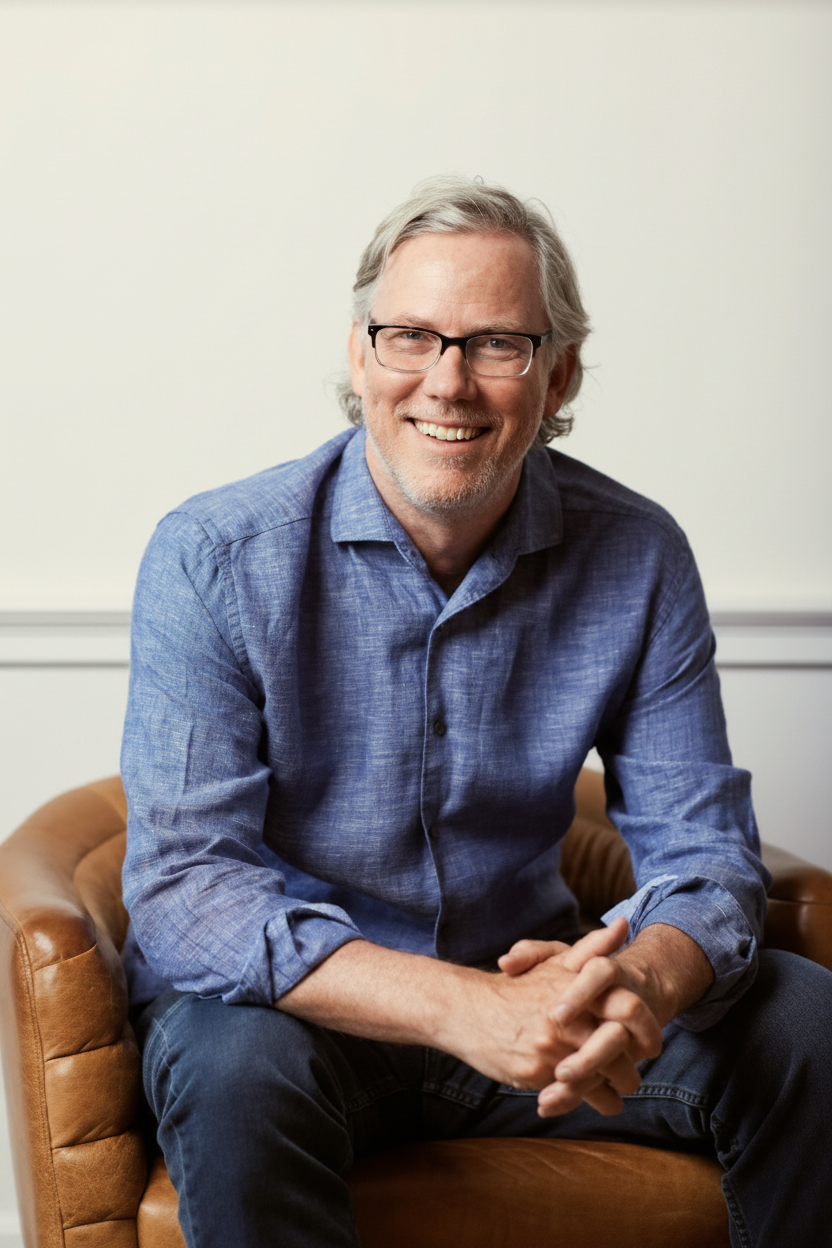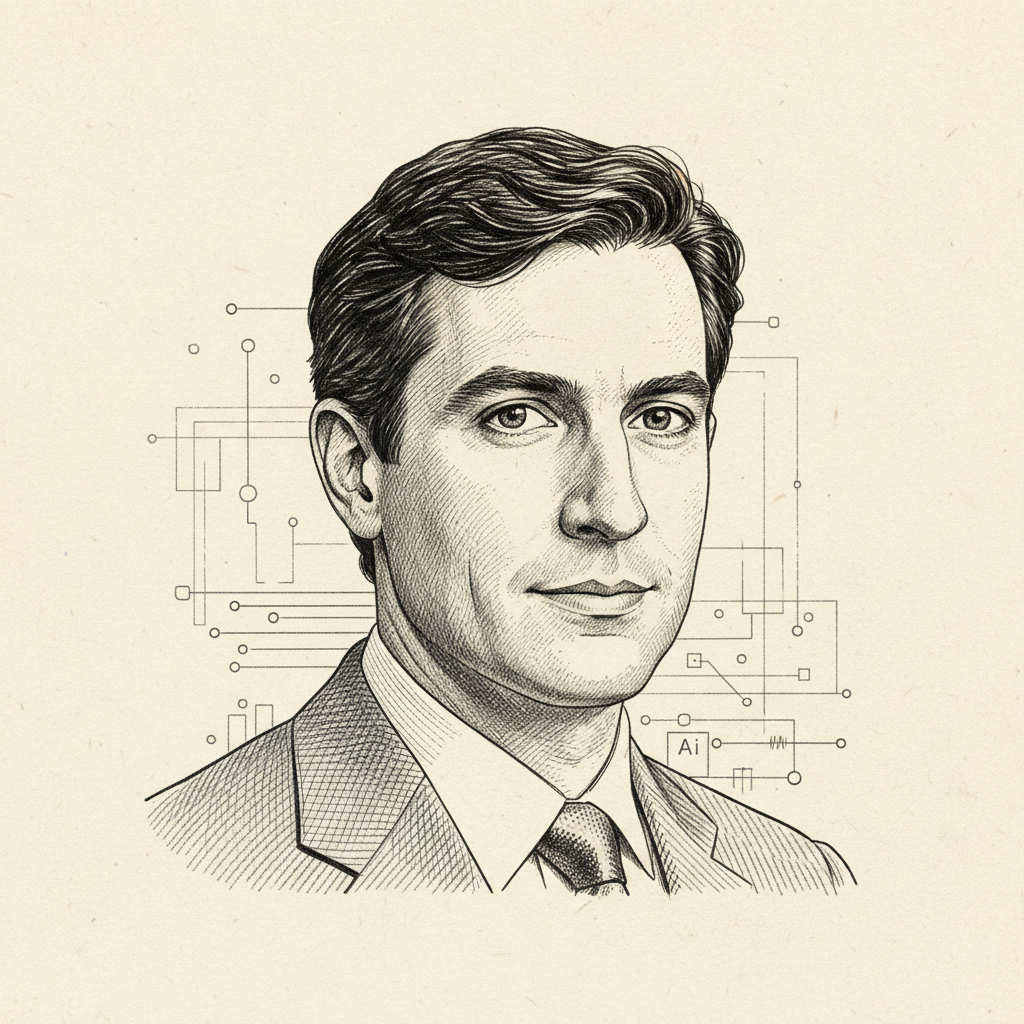
David Siegel
A pioneer in quantitative finance and technology entrepreneurship, known for co-founding Two Sigma Investments and his foundational work in machine learning applications.
David Siegel is an American entrepreneur, computer scientist, and investor, best known as the co-founder of Two Sigma Investments, a quantitative hedge fund employing advanced technologies like artificial intelligence and machine learning. His career spans significant contributions to computational finance, internet technology, and the application of data science to complex problems.
Biography
Accomplishments
- 01Co-founded Two Sigma Investments in 2001, growing it into a multi-billion dollar quantitative hedge fund leveraging advanced AI and machine learning.
- 02Served as the first Chief Technology Officer (CTO) of D. E. Shaw & Co. from 1992 to 2001, significantly contributing to its technological and quantitative trading infrastructure.
- 03Pioneered the application of machine learning, distributed computing, and large-scale data analysis within the financial industry, setting new standards for quantitative finance.
- 04Holds a Ph.D. in Computer Science from MIT, specializing in artificial intelligence, demonstrating deep academic roots in his field.
- 05Successfully scaled Two Sigma into a global asset manager, demonstrating sustainable growth and technological leadership in a highly competitive sector.
Lessons for Operators
Key Takeaways
Practical lessons distilled for operators, investors, C-levels, and capital allocators.
Technological Supremacy as a Competitive Advantage
Siegel's career exemplifies how superior technological infrastructure, particularly in AI and machine learning, can create a decisive competitive advantage in data-intensive industries like finance. Organizations should view technology as a core strategic asset, not merely a support function.
The Power of Quantitative Methods
His work demonstrates that complex problems, even in unpredictable domains, can be systematically analyzed and optimized through quantitative methods. Leaders should seek to quantify processes and outcomes, applying scientific rigor to decision-making.
Building for Scale and Complexity
From D. E. Shaw to Two Sigma, Siegel has consistently built systems capable of handling massive data volumes and computational complexity. This highlights the importance of designing scalable architectures and robust algorithms from the outset.
Interdisciplinary Team Synergy
The success of Two Sigma is rooted in its ability to combine top talent from diverse fields (e.g., computer science, mathematics, physics, finance). Fostering an environment where different disciplines collaborate is crucial for innovative breakthroughs.
Ethical Considerations in AI
Siegel's advocacy for AI ethics underscores the growing responsibility of technologists and leaders in deploying powerful algorithms. Organizations must proactively address the ethical implications and societal impact of their advanced technological solutions.
Frameworks & Principles
Named frameworks and strategic principles they popularized or embodied.
Scientific Method in Investing
Treating investment strategies as hypotheses to be tested empirically, using vast datasets and statistical analysis to validate or refute them. This involves rigorous backtesting, out-of-sample validation, and continuous refinement.
When to useApplicable for any data-rich domain where complex patterns need to be identified and exploited, such as algorithmic trading, predictive analytics in e-commerce, or optimizing logistics in supply chains.
Machine Learning for Pattern Recognition
Utilizing advanced machine learning algorithms (e.g., neural networks, reinforcement learning) to discover non-obvious relationships and predictive signals within large, noisy datasets, going beyond traditional statistical models.
When to useEffective in scenarios requiring high-dimensional data analysis, anomaly detection, automated decision-making, and forecasting in areas like market prediction, fraud detection, or personalized customer experiences.
Distributed Computing for Big Data
Architecting systems that can process and store petabytes of data across distributed computing clusters, enabling the real-time analysis necessary for high-frequency operations and complex model training.
When to useEssential for organizations dealing with massive data volumes, requiring high computational throughput, and needing to manage complex analytical workloads in fields like scientific research, cloud services, and financial modeling.
Recent Appearances
Latest interviews, keynotes, and press from the past half year.
 youtube.comyoutube.com
 youtube.com
 youtube.com
 youtube.com
 youtube.com
 youtube.com
 youtube.com
 youtube.com
 youtube.com
 youtube.com
 youtube.com
 youtube.com
 youtube.com
 youtube.com
 youtube.com
 youtube.com
 youtube.com
 youtube.com
 youtube.com
 youtube.com
 youtube.com
 youtube.com
 youtube.com
 youtube.com
 youtube.com
 youtube.com
 youtube.com
 youtube.com
 youtube.com
Explore Related Titans
Other figures in the archive who share David Siegel's domain, geography, or era.
More in Technology







From United States



Contemporaries — born 1960s