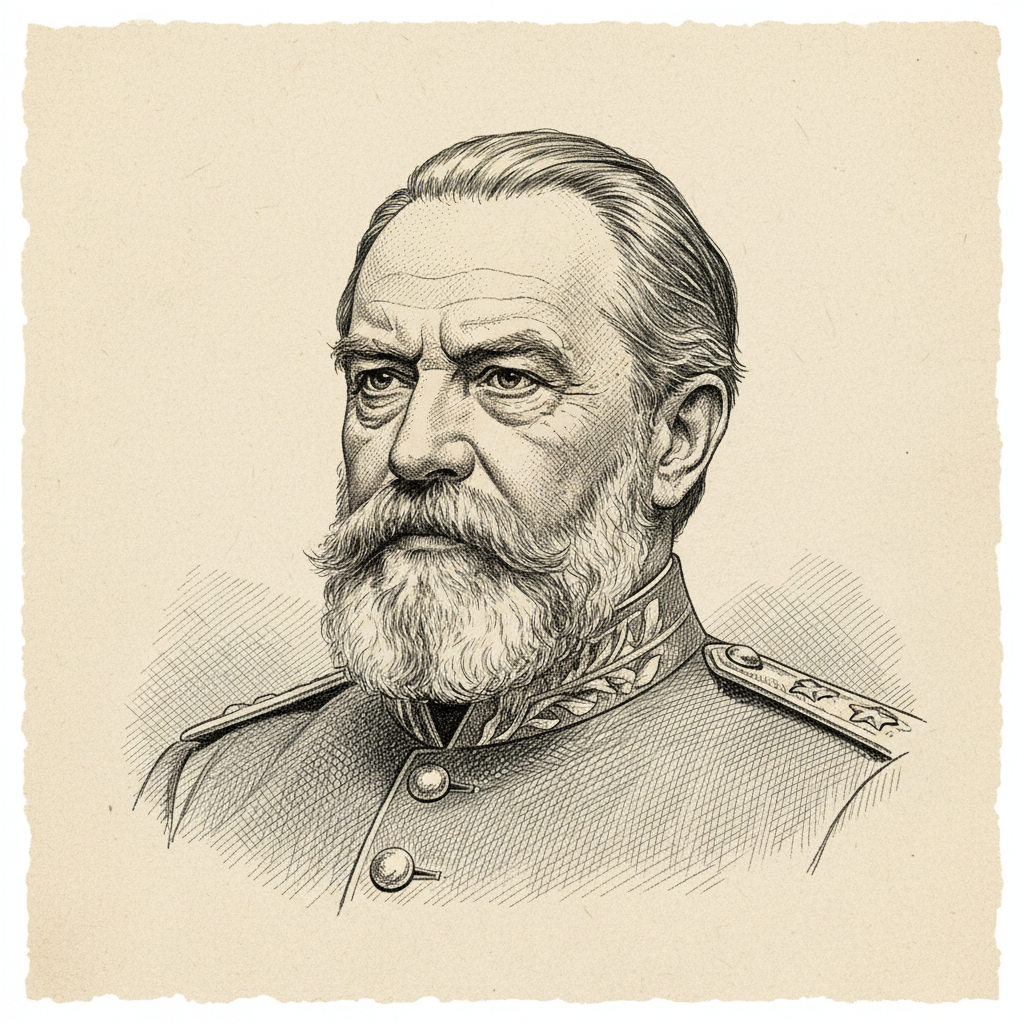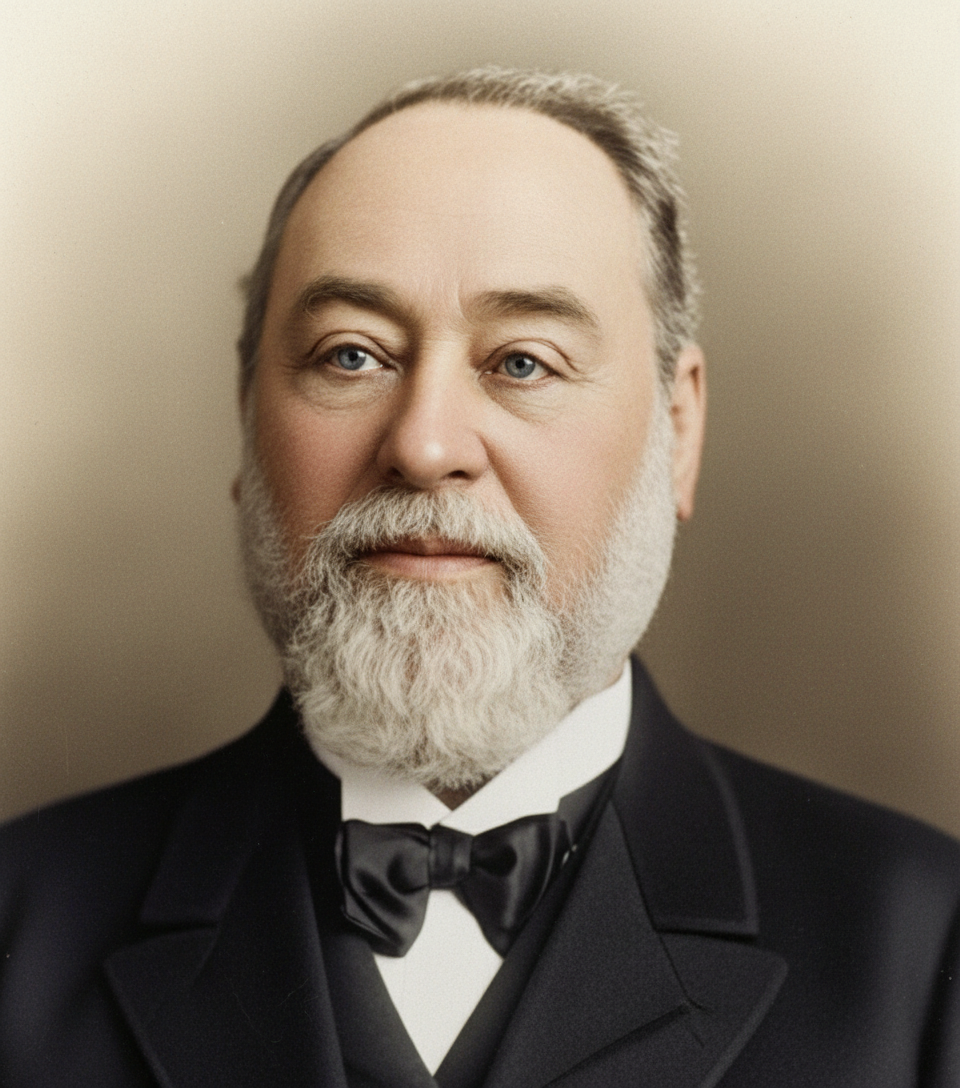
Christoph D. Hohmann
Architect of strategic growth and operational excellence in high-tech manufacturing, driving TRUMPF's global market leadership through laser technology and digitalization.
Christoph D. Hohmann is an Executive Vice President at TRUMPF GmbH + Co. KG, a global leader in machine tools and industrial lasers. His tenure has been marked by a focus on strategic expansion, operational efficiency, and the integration of advanced technologies, particularly in the laser and additive manufacturing sectors. He plays a pivotal role in TRUMPF's market strategy and global operations.
Biography
Accomplishments
- 01Spearheaded international market expansion initiatives for TRUMPF's laser technology division, significantly increasing market share in emerging regions (e.g., specific ventures in Asian markets post-2010).
- 02Led operational restructuring and efficiency programs within production and supply chain units, contributing to sustained profitability during economic fluctuations (e.g., 2008-2009 global financial crisis recovery, 2020-2021 pandemic resilience).
- 03Played a key role in the strategic integration of TRUMPF's additive manufacturing solutions into its core offerings, positioned the company as a leader in industrial 3D printing (e.g., launch of TruPrint series post-2014, acquisition target evaluations).
- 04Drove digital transformation efforts within TRUMPF's sales and service organizations, enhancing customer engagement and predictive maintenance capabilities (e.g., implementation of Condition Monitoring and Smart Services platforms).
- 05Contributed to TRUMPF's sustained leadership in CO2 and fiber laser technology development, ensuring product portfolio alignment with evolving industrial demands for cutting, welding, and marking applications.
- 06Managed strategic alliances and partnerships with key industry players and research institutions to accelerate technology transfer and innovation cycles.
Lessons for Operators
Key Takeaways
Practical lessons distilled for operators, investors, C-levels, and capital allocators.
Strategic Diversification
TRUMPF's consistent investment in complementary technologies (e.g., machine tools, lasers, additive manufacturing) reduces reliance on single market segments, cushioning against downturns and opening new growth avenues. Investors should look for companies with diversified yet synergistic core competencies.
Global-Local Integration
Successful expansion requires a 'think global, act local' approach. TRUMPF's ability to adapt its sales, service, and even R&D functions to regional specifics while maintaining a global product standard is a key lesson for market entry and sustained growth.
Digital Transformation as Core Strategy
Digitalization is not an IT project but a fundamental business strategy for TRUMPF. Integrating IoT, AI, and data analytics into manufacturing, service, and customer interaction enhances efficiency, predicts needs, and builds stronger relationships. This is crucial for long-term competitiveness.
Innovation Lifecycle Management
TRUMPF actively manages the entire innovation lifecycle, from fundamental research to industrialization and market introduction (e.g., EUV lithography role, additive manufacturing). Companies should establish structured processes for identifying, developing, and commercializing new technologies persistently.
Operational Resilience
Hohmann's focus on operational efficiency and supply chain robustness allows TRUMPF to navigate global disruptions (e.g., chip shortages, pandemic). C-levels should prioritize flexible manufacturing, diversified supplier networks, and robust risk management for sustained operations.
Frameworks & Principles
Named frameworks and strategic principles they popularized or embodied.
Horizontal & Vertical Integration Strategy
This framework involves expanding a company's operations into different stages of production (vertical) or acquiring businesses at the same stage of production (horizontal). TRUMPF exemplifies this with its machine tools and laser production (vertical) and its entry into additive manufacturing (horizontal).
When to useApplicable when seeking to gain greater control over the value chain, increase efficiency, diversify product offerings, or enter adjacent markets to sustain growth and competitive advantage.
Industry 4.0 Maturity Model
Utilized to assess an organization's current state and roadmap its progression towards becoming a 'smart factory.' It encompasses aspects like smart products, smart operations, and smart services, integrating IoT, AI, and automation.
When to useEssential for manufacturing leaders and operators seeking to strategize digital transformation, identify key areas for investment, and benchmark against industry best practices for enhanced productivity and operational intelligence.
Global Market Entry Strategies (e.g., Uppsala Model Adaptation)
This framework guides companies in expanding into international markets, often suggesting a gradual approach starting with low-commitment modes (e.g., exports) and progressively moving to higher-commitment modes (e.g., direct investment, joint ventures) as market knowledge increases.
When to useRelevant for C-levels and fund managers evaluating international expansion plans, assessing market risks, and determining optimal investment strategies for global growth.
Explore Related Titans
Other figures in the archive who share Christoph D. Hohmann's domain, geography, or era.
More in Technology









From Germany